
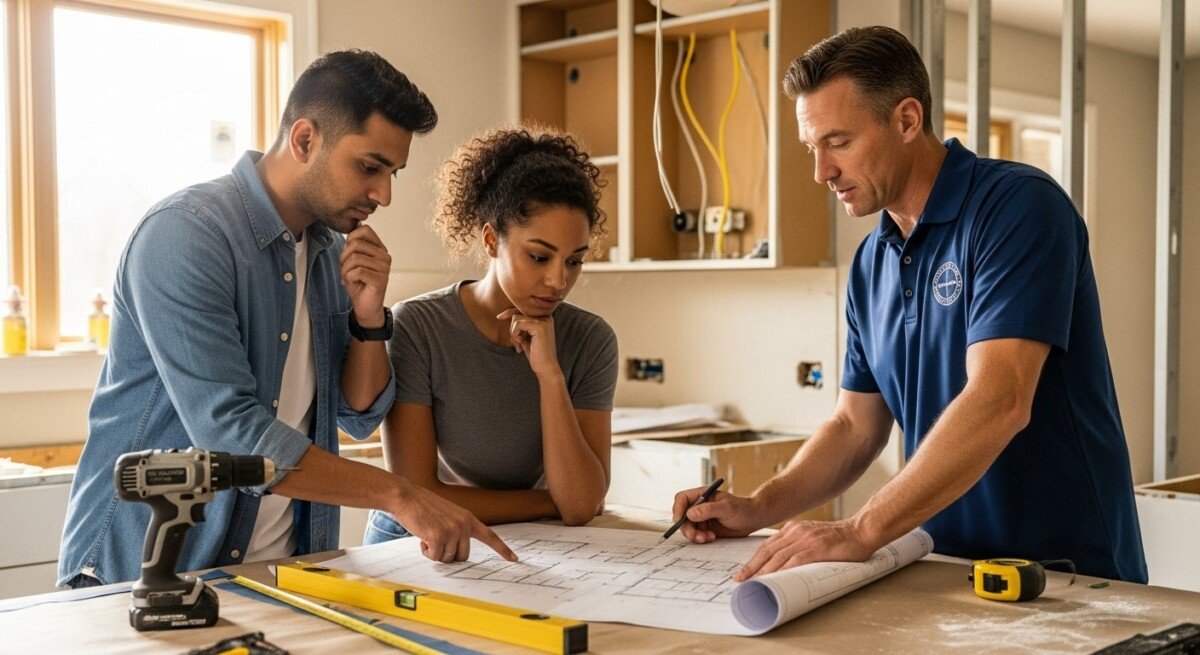
Essential Questions Homeowners Should Ask Contractors
A practical guide to the essential questions every homeowner must ask contractors before starting a repair or remodel to protect their investment and ensure a successful project.
By Alexia Mabel
Learn more about Exterior Painting for guides, costs, and what to expect.
Compare Exterior Painting Pros Near You

Enter your ZIP code to compare top-rated local professionals and request free quotes.
You’ve finally decided to tackle that home renovation or repair. You’ve found a few contractors online, and one has given you a promising estimate. The price seems fair, and they’re ready to start next week. It’s tempting to just sign on the dotted line and get the project moving. But what if you’re missing a crucial piece of information that could lead to delays, unexpected costs, or subpar work? Many homeowners discover the hard way that the questions they didn’t ask are the ones that cost them the most in stress and money. Skipping a thorough vetting process can turn your dream project into a serious headache, with issues that impact your home’s safety, value, and your peace of mind for years to come. Asking the right questions upfront is your most powerful tool for a successful project.
Understanding Questions Homeowners Should Ask Contractors
Asking the right questions isn’t about being distrustful. It’s about being a smart, informed partner in your own home improvement project. These questions help you understand the contractor’s process, protect your investment, and set clear expectations for everyone involved.
It happens because home projects are complex. There are many moving parts, from materials and labor to permits and timelines. Without clear communication, assumptions are made, and those assumptions often lead to conflict and disappointment.
Every homeowner planning a repair, remodel, or installation is affected. Whether you’re updating a single bathroom or adding a new room, the principles of good communication and due diligence are the same. A proactive approach benefits projects of all sizes.
Why This Matters for Your Home
Your home is likely your largest investment. The work done on it directly impacts its structural integrity, safety, and market value. Hiring the wrong contractor or entering a project without clear agreements can jeopardize all of that.
Poor workmanship can lead to property damage far beyond the original project area. A plumbing error can cause hidden water damage. An electrical mistake can create a fire hazard. These are not just inconveniences; they are significant risks to your family and your financial well-being.
Furthermore, unprofessional work often needs to be redone, meaning you pay twice. By asking detailed questions upfront, you filter for qualified, reliable professionals who will do the job right the first time. This protects your home’s value and saves you from future, costly corrections.
If you notice signs of this issue in your home, it may help to speak with a qualified contractor. Request a free quote or call to explore your repair or remodeling options.
Common Problems Homeowners Experience
When the wrong questions go unasked, homeowners often face a series of predictable and stressful problems. These issues usually stem from unclear scope, poor communication, or a lack of formal agreements.
You might find the project timeline stretching out for weeks or months longer than promised. Bills can arrive with mysterious “additional costs” for materials or labor you assumed were included. The finished work might not match what you envisioned, leading to disputes over quality.
- Project costs ballooning far beyond the initial estimate.
- Lengthy, unexplained delays that disrupt your daily life.
- Poor quality workmanship that fails to meet basic standards.
- Damage to existing parts of your home that weren’t part of the project.
- Contractors who disappear before the project is fully complete.
- Stress and conflict over unmet expectations and change orders.
How Professionals Solve the Problem
A true professional doesn’t shy away from your questions; they welcome them. They understand that an informed client leads to a smoother project. Their answers will be clear, detailed, and backed by proof like licenses, insurance certificates, and references.
Experienced contractors solve communication problems by establishing a clear process from day one. They provide detailed written estimates and contracts, maintain regular updates, and have systems for handling unexpected issues. This structured approach is what you’re looking for when you ask the right questions.
- Initial Consultation & Estimate: They listen to your goals, assess the space, and provide a detailed, written scope of work and estimate.
- Planning & Agreement: They draft a contract covering timeline, payment schedule, materials, and procedures for changes.
- Execution & Communication: They manage the crew, obtain permits, and provide regular progress updates, keeping the project on track.
- Final Walkthrough & Resolution: They complete a final inspection with you to ensure satisfaction and address any last minor items.
A professional inspection can reveal hidden issues before they become expensive repairs. Compare contractor quotes here or call to discuss your project.
Warning Signs You Should Not Ignore
Before you even get to the question-asking stage, pay attention to how a contractor presents themselves. Early warning signs in their communication can save you from a bad partnership.
If a contractor is reluctant to put things in writing, pressures you for a quick decision, or gives a vague estimate that seems too good to be true, consider it a red flag. Trust your instincts. A reputable professional will be transparent and patient, knowing that good projects are built on good relationships.
- They only provide a verbal estimate and resist putting it in writing.
- They ask for a large cash deposit or full payment upfront before any work begins.
- They are unable or unwilling to provide proof of license and insurance.
- They have no online presence, portfolio, or verifiable references.
- Their communication is slow, inconsistent, or evasive when you ask for details.
- They suggest skipping permits to “save time and money.”
What Affects the Cost of Repairs or Installation
Understanding cost drivers helps you ask better questions and interpret estimates more accurately. The final price isn’t arbitrary; it’s based on specific, quantifiable factors.
The size and complexity of the project are the most obvious factors. However, the age and condition of your home can significantly impact cost. Older homes often have unexpected issues like outdated wiring, plumbing, or structural quirks that must be addressed during a remodel.
Material choices also create a wide range in pricing. Labor intensity, the accessibility of the work area, and local permit and disposal fees all contribute. A detailed estimate should break these elements down, so you know exactly what you’re paying for. For a deeper look at what makes up a fair price, our guide on home repair estimates breaks down each component.
Costs can vary depending on the condition of your home. The best way to know the price is to get a personalized estimate. Request free quotes from contractors or call today.
How to Choose the Right Contractor
Choosing a contractor is one of the most important decisions you’ll make for your home. It’s not just about price; it’s about trust, reliability, and quality. Your questions are the tool to find the best fit.
Start by getting recommendations from friends or trusted online sources. Then, interview at least three contractors for your project. This comparison is crucial, as detailed in our article on how many contractor quotes you should get. Listen not only to their answers but also to how they answer. Are they patient, thorough, and professional?
- Verify Credentials: Always ask for and check their license, insurance (liability and workers’ compensation), and bonding.
- Check References & Reviews: Ask for recent project references and look at online reviews on multiple platforms.
- Review Past Work: Ask to see a portfolio of completed projects similar to yours.
- Get a Detailed, Written Contract: Never proceed without a contract that includes scope, timeline, payment schedule, and warranty information.
- Compare Multiple Quotes: Don’t just go with the lowest bid. Compare the scope, materials, and timelines to understand the value.
Long-Term Benefits of Professional Work
Investing time in vetting a contractor pays dividends long after the project is complete. Professional, high-quality work delivers benefits that last for the life of your home.
First and foremost, it ensures safety. Proper electrical, plumbing, and structural work protect your family. It also means durability; materials are installed correctly and will stand the test of time, reducing the need for frequent repairs.
Good work also improves energy efficiency and increases your home’s resale value. Perhaps the greatest benefit is peace of mind. Knowing the job was done right allows you to enjoy your home without worrying about hidden problems or failing systems. This proactive mindset aligns with the philosophy of preventive home repairs, saving you money and stress in the long run.
What questions should I ask a contractor before hiring?
Start by asking for their license and insurance proof, references from recent jobs, and who will be the on-site supervisor. Ask about their experience with projects like yours and request a detailed, written estimate and contract. Clarify the project timeline, daily work hours, and cleanup procedures.
Should I always get three quotes?
Yes, getting at least three detailed quotes is highly recommended. It allows you to compare not just price, but also the proposed scope of work, materials, and timelines. This process helps you identify outliers and choose the contractor who offers the best overall value and communication style for your needs.
What should be included in a contractor’s estimate?
A thorough estimate should be in writing and include a breakdown of labor and material costs, the project timeline, payment schedule, specific brands and product models to be used, and a description of the work to be performed. It should also note what is NOT included to avoid surprises.
Is a permit always necessary for home projects?
For most structural, electrical, plumbing, and major remodeling work, yes. Permits ensure the work meets local building codes for safety. A reputable contractor will handle pulling the necessary permits. Be wary of anyone who suggests skipping them.
What is a fair payment schedule for a contractor?
A fair schedule ties payments to completed work milestones. A small initial deposit is common, with subsequent payments due after clear phases are finished (e.g., after demolition, after framing inspection). Avoid contractors who demand full or majority payment upfront. The final payment (10-15%) should be made only after you are fully satisfied with the completed work.
How long should a contractor’s warranty last?
This varies. Most reputable contractors offer a minimum one-year warranty on workmanship. Manufacturer warranties on materials (like roofing shingles or windows) are separate and often last much longer. Always get warranty details in writing before work begins.
Taking control of your home project starts with asking the right questions. It transforms you from a passive customer into an informed partner, ensuring your vision becomes reality on time, on budget, and to a high standard. Don’t let uncertainty lead to costly mistakes. By comparing detailed quotes and vetting contractors thoroughly, you invest not just in your home’s improvement, but in its long-term safety, value, and your own peace of mind. Start your next project with confidence by having those essential conversations first.
Learn more about Exterior Painting for guides, costs, and what to expect.
Compare Exterior Painting Pros Near You
Enter your ZIP code to compare top-rated local professionals and request free quotes.