
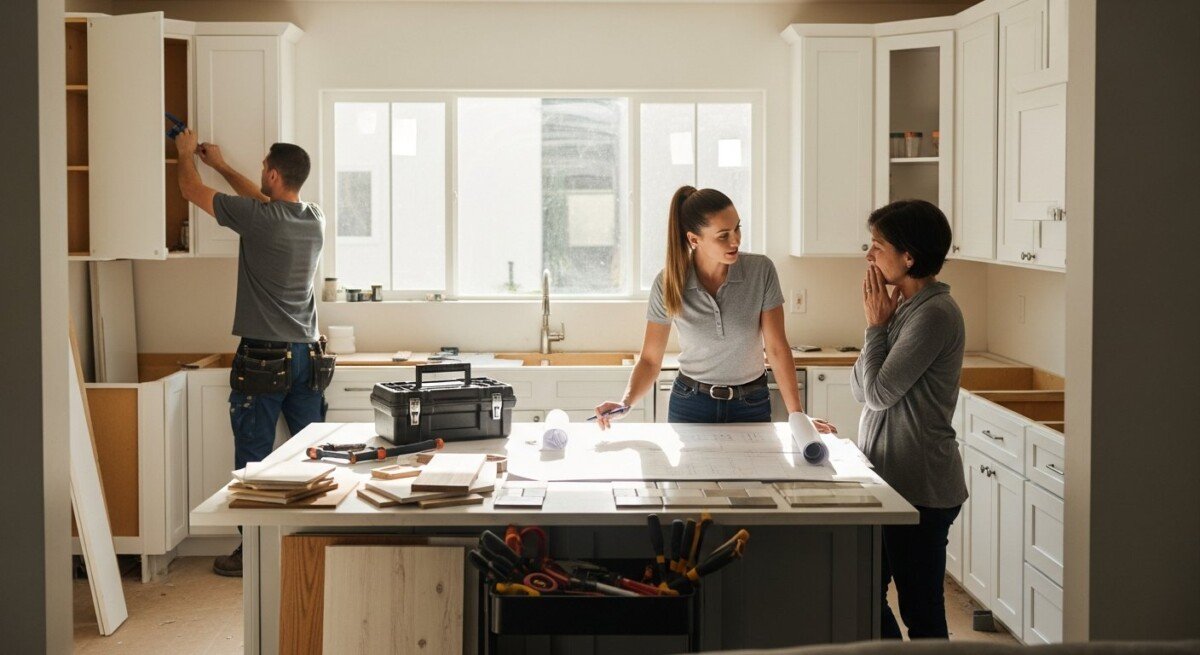
Understanding Your Contractor Budget Estimate: A Homeowner’s Guide
A clear contractor budget estimate protects your home investment. Learn what to look for, common pitfalls, and how to get reliable quotes for your project.
By Alexia Mabel
Learn more about Exterior Painting for guides, costs, and what to expect.
Compare Exterior Painting Pros Near You

Enter your ZIP code to compare top-rated local professionals and request free quotes.
You’ve finally decided to tackle that kitchen remodel or fix that persistent leak in the basement. You start calling contractors, and soon you have a few numbers in hand. But one estimate is shockingly low, another seems astronomically high, and a third is a vague, one-page document that leaves you with more questions than answers. This confusing scenario is how many homeowners discover the critical importance of a detailed contractor budget estimate. Without a clear, itemized breakdown, you risk unexpected costs, project delays, and the sinking feeling that you’re not in control of your own home investment. A proper estimate isn’t just a price tag; it’s the blueprint for your project’s financial and practical success.
Understanding Contractor Budget Estimate
A contractor budget estimate is a detailed projection of the total cost for your home improvement project. It’s more than a single number. It’s a document that outlines the anticipated costs for labor, materials, permits, and other expenses, giving you a realistic financial picture before work begins.
This document is created after a contractor assesses your specific needs. They consider the project’s scope, the condition of your home, and your chosen materials. A thorough estimate protects both you and the contractor by setting clear expectations and minimizing surprises.
All homes benefit from clear estimates, but they are especially crucial for older homes where hidden issues are common, and for large-scale projects like additions or full remodels. Understanding the difference between a quote and an estimate is key, and our guide on contractor quote vs. estimate breaks down these important terms.
Why This Matters for Your Home
An accurate budget estimate is your first line of defense against financial stress during a renovation. It allows you to plan your finances effectively, ensuring the project doesn’t stall halfway because funds ran out. Think of it as a roadmap that guides every spending decision.
More importantly, a detailed estimate helps prevent property damage and safety risks. When costs are cut haphazardly to meet an unrealistic bottom line, contractors might be forced to use subpar materials or skip essential steps, compromising the integrity and safety of the work in your home.
Ignoring the need for a clear estimate can lead to escalating costs. A project that starts with a vague “ballpark” figure can quickly spiral as “unforeseen issues” arise, leaving you to cover bills you never anticipated. This erodes trust and can turn your dream project into a financial nightmare.
If you notice signs of this issue in your home, it may help to speak with a qualified contractor. Request a free quote or call to explore your repair or remodeling options.
Common Problems Homeowners Experience
Homeowners often face frustrating and costly problems when estimates are unclear or incomplete. The most common issue is the dreaded “change order”,additional charges that pop up mid-project for things that weren’t included in the original estimate, blowing your budget apart.
Another frequent problem is the low-ball estimate. A contractor gives an attractively low price to win the job, only to use cheaper materials or claim later that critical aspects weren’t included. This often leads to conflict, rushed work, or an unfinished project.
- Hidden fees for permits, dumpsters, or fuel surcharges that appear on the final bill.
- Vague line items like “labor” or “miscellaneous” that provide no cost breakdown.
- Underestimating material costs, leading to last-minute upgrades you must pay for.
- Failing to account for structural issues discovered after demolition begins.
- No payment schedule, causing confusion about when and how much to pay.
- Using allowances for items like flooring or fixtures that are unrealistically low.
How Professionals Solve the Problem
A reputable contractor solves these problems by providing a transparent, detailed, and written estimate. They view this document as a foundation for a successful partnership, not just a formality. Their process is designed to uncover variables upfront.
Professional work is safer and more reliable because the estimate forces a thorough planning phase. The contractor assesses potential hurdles, orders the correct materials, and schedules skilled labor accordingly. This proactive approach prevents the cutting of corners that DIY or low-bid projects often face.
- Initial Consultation: The contractor visits your home to understand the project scope and your goals.
- Detailed Assessment: They take measurements, note existing conditions, and identify potential challenges (like old wiring or plumbing).
- Itemized Breakdown: They create a line-item list covering all material costs (brand, model, quantity), labor hours, subcontractor fees, permit costs, and equipment rentals.
- Clear Timeline & Payment Schedule: The estimate includes a projected timeline and defines payment milestones tied to completed work stages.
- Review & Agreement: They walk you through the entire estimate, answer questions, and revise it until you both agree it’s accurate and complete.
A professional inspection can reveal hidden issues before they become expensive repairs. Compare contractor quotes here or call to discuss your project.
Warning Signs You Should Not Ignore
Recognizing red flags in an estimate can save you immense trouble. If a contractor is reluctant to put numbers in writing or pressures you to sign quickly, consider it a major warning. A trustworthy professional is proud of their detailed proposals.
Early action is always less expensive. Addressing a small repair with a clear estimate prevents a minor issue from becoming a major, budget-breaking renovation. Don’t wait for a small leak to become a mold problem or a cracked tile to signal a failing subfloor.
- The estimate is a single, handwritten number on a blank piece of paper.
- The contractor asks for a large cash deposit or full payment upfront.
- They are vague about the types or grades of materials they will use.
- There is no mention of who is responsible for obtaining permits.
- The timeline seems unrealistically short compared to other estimates.
- They dismiss your questions about specific costs as unimportant.
What Affects the Cost of Repairs or Installation
Many factors influence your final project cost, and a good estimate will account for them. The size and complexity of the project are the most obvious drivers. A whole-house remodel will naturally cost more than updating a single bathroom, but even within a bathroom, a simple refresh differs vastly from moving plumbing lines.
Material choices create a wide cost range. Options for flooring, countertops, cabinets, and fixtures span from budget-friendly to luxury. Labor requirements are also key; skilled trades like electrical and plumbing command higher rates, and difficult-to-access work areas increase labor time. Knowing if you can negotiate a contractor estimate often starts with understanding these core cost drivers.
The age and condition of your home are critical, often hidden factors. Older homes may have outdated wiring, plumbing, or structural elements that need upgrading to meet current code, which can significantly impact the budget. A thorough contractor will investigate these possibilities during the estimate phase.
Costs can vary depending on the condition of your home. The best way to know the price is to get a personalized estimate. Request free quotes from contractors or call today.
How to Choose the Right Contractor
Selecting the right contractor is as important as the estimate itself. Start by verifying their credentials. A legitimate contractor should be licensed (where required), insured, and bonded. This protects you from liability and ensures they meet basic professional standards.
Always compare multiple detailed estimates. Don’t just choose the lowest bid; choose the one that offers the clearest, most comprehensive breakdown and comes from a contractor you trust. This comparison is your most powerful tool for ensuring value and clarity.
- Check online reviews and ask for references from past clients with similar projects.
- Confirm they have experience specifically with your type of project (e.g., historic homes, kitchen remodels).
- Ask who will be on-site daily and how project communication will be handled.
- Ensure the estimate includes a clear start date, completion date, and payment schedule.
- Trust your gut. Choose someone who listens, communicates clearly, and makes you feel confident.
Long-Term Benefits of Professional Work
Investing in a professional contractor who provides a solid estimate pays dividends long after the project is complete. The work will be done correctly and to code, ensuring the safety of your family and protecting your home from damage due to faulty installation.
Quality workmanship and materials lead to better durability, meaning your renovation will look good and function well for years to come. This reduces future maintenance costs and headaches. For projects like window replacements or insulation, professional installation also maximizes energy efficiency, lowering your utility bills.
Ultimately, professional work with proper documentation enhances your home’s value. When it comes time to sell, buyers and appraisers recognize the quality of permitted, professionally completed projects. This protects and often increases your largest investment.
What should a contractor budget estimate include?
A comprehensive estimate should include a detailed breakdown of material costs (type, quantity, unit price), labor costs, costs for subcontractors (like electricians or plumbers), permit fees, costs for equipment rental, a project timeline, and a clear payment schedule. It should also note any assumptions or allowances.
How many contractor estimates should I get?
It’s wise to get at least three detailed estimates for any significant project. This allows you to compare not just the bottom-line price, but the scope of work, material quality, and professionalism of each contractor. It helps you identify outliers and find the best value.
Is a contractor’s estimate legally binding?
Typically, an “estimate” is a best-faith projection and not a fixed-price contract. A “quote” or “bid” is usually firmer. The key is to get the detailed estimate incorporated into a signed contract that specifies costs, scope, and timeline. Always clarify this with your contractor before work begins.
Why are some contractor estimates so much higher than others?
Large differences can stem from variations in material quality, the level of detail in the scope of work, the contractor’s overhead and insurance costs, or their experience level. A very low estimate may exclude necessary work or use inferior materials, while a high one may include more robust solutions or a higher profit margin.
Can a contractor increase the price after giving an estimate?
For a fixed-price contract based on the estimate, the price should not increase unless you change the project scope. However, if unforeseen issues arise (like rotten wood behind a wall), a reputable contractor will discuss a change order with you, explaining the new cost and getting your written approval before proceeding. For more on this, see our article on bathroom remodel cost estimates and how they handle unknowns.
What questions should I ask when reviewing an estimate?
Ask about anything that’s unclear. Key questions include: Is this a fixed price or an estimate? What specific brands/models of materials are included? Who pulls the permits? What is not included in this price? What is the process if we encounter unexpected problems?
Navigating a home improvement project starts with a clear financial understanding. A detailed contractor budget estimate is not an obstacle; it’s the tool that empowers you to make informed decisions, protect your investment, and achieve the results you envision for your home. By prioritizing transparency and comparing quotes from qualified professionals, you can move forward with confidence, knowing your project is built on a solid foundation.
Learn more about Exterior Painting for guides, costs, and what to expect.
Compare Exterior Painting Pros Near You
Enter your ZIP code to compare top-rated local professionals and request free quotes.