
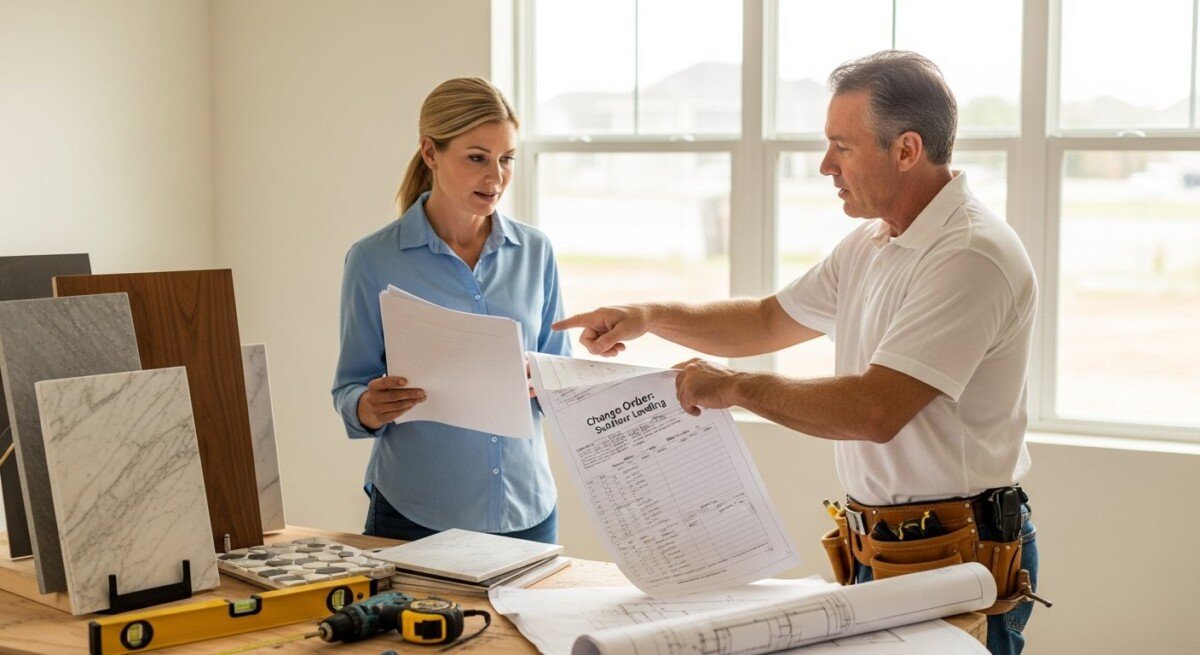
What Increases Construction Project Cost for Homeowners
A guide for homeowners on the hidden factors that drive up renovation costs, from unforeseen structural issues to material choices, and how to plan a realistic budget.
By Alexia Mabel
Learn more about Exterior Painting for guides, costs, and what to expect.
Compare Exterior Painting Pros Near You

Enter your ZIP code to compare top-rated local professionals and request free quotes.
You’ve saved up for that dream kitchen remodel or finally decided to finish the basement. You get a few quotes from contractors, and the numbers are higher than you expected. Where did the budget go? For many homeowners, the final price tag of a renovation can feel like a mystery, filled with unexpected line items and surprise fees. Understanding what drives these costs isn’t just about getting a fair deal,it’s about protecting your investment and avoiding financial stress down the road. Let’s demystify the factors that increase construction project costs, so you can plan smarter and feel confident moving forward.
Understanding What Increases Construction Project Cost
Construction project costs are influenced by a combination of choices, conditions, and unforeseen challenges. It’s rarely just one thing that causes a budget to swell, but rather a series of decisions and discoveries made before and during the work.
At its core, a project’s price reflects the materials, labor, time, and expertise required to complete it. When any of these elements become more complex, scarce, or time-consuming, the cost naturally rises. This happens in both planned renovations and necessary repairs.
Every home and project is unique. An older home might hide structural issues, while a simple design change can trigger a chain reaction of additional work. Knowing what to look for helps you ask the right questions from the start.
Why This Matters for Your Home
Ignoring the potential for cost increases can lead to a project stalling halfway through, leaving you with a torn-up house and drained savings. It’s a stressful situation that no homeowner wants to face. Proactive planning is your best defense.
Beyond budget strain, cutting corners to save money can compromise your home’s safety, durability, and long-term value. A proper foundation for your construction project budget planning ensures the work is done right the first time, protecting your family and your largest asset.
If you notice signs of this issue in your home, it may help to speak with a qualified contractor. Request a free quote or call to explore your repair or remodeling options.
Common Problems Homeowners Experience
Homeowners often encounter the same set of challenges that push project costs upward. These aren’t signs of a bad contractor, but rather the reality of working on existing structures where not everything is visible at first glance.
For example, what starts as a bathroom tile update can reveal rotted subflooring, outdated plumbing that doesn’t meet code, or wiring that needs to be replaced for safety. Each discovery requires additional materials and labor to fix properly.
- Hidden Structural Damage: Rot, termites, or water damage behind walls or under floors.
- Outdated Systems: Electrical, plumbing, or HVAC that must be upgraded to meet current building codes.
- Poor Previous Work: DIY or shoddy contractor repairs that must be undone and redone.
- Material Availability & Choice: Supply chain delays or selecting premium finishes (custom cabinets, stone countertops).
- Design Changes Mid-Project: Deciding to move a wall, add a window, or change the layout after work has begun.
- Site Accessibility: Difficulties getting materials and equipment into a tight backyard or a second-story room.
How Professionals Solve the Problem
A reputable contractor doesn’t just show up and start swinging a hammer. Their value lies in their process, which is designed to identify cost drivers early and manage them effectively. This approach saves you money and headaches in the long run.
They start with a thorough assessment, using their experience to spot potential red flags you might miss. This allows them to build a more accurate estimate that accounts for likely scenarios, not just the best-case one. Their knowledge of home project cost estimates helps set realistic expectations from day one.
- Detailed Inspection & Scope Definition: They examine the area and define exactly what work is included (and what isn’t).
- Accurate Material Takeoffs: They measure precisely to order the correct amount of materials, minimizing waste.
- Experienced Problem Anticipation: Based on your home’s age and condition, they budget for common issues.
- Clear Communication: They explain potential cost variables before signing a contract and communicate immediately if an unforeseen issue arises.
- Efficient Project Management: They schedule subcontractors, deliveries, and inspections to keep the project on track and avoid costly delays.
A professional inspection can reveal hidden issues before they become expensive repairs. Compare contractor quotes here or call to discuss your project.
Warning Signs You Should Not Ignore
Before you even call a contractor, your home might be showing you clues that a project could be more involved than it seems. Paying attention to these signs helps you prepare mentally and financially.
Early action is always less expensive than emergency repairs. If you see these warning signs during your planning phase, mentioning them to your contractor can lead to a more comprehensive and accurate initial quote.
- Sagging Floors or Roof Lines: Indicates potential structural settling or framing issues.
- Persistent Moisture or Mold: Signals leaks or ventilation problems that must be addressed at the source.
- Knob-and-Tube Wiring or Galvanized Plumbing: Outdated systems that likely need full replacement during any major renovation.
- Multiple Layers of Roofing or Flooring: Adds significant labor for demolition and disposal.
- Cracks in Foundation or Major Walls: Requires evaluation by a structural engineer.
- Uneven Doors or Windows That Stick: Can point to foundation movement or framing problems.
What Affects the Cost of Repairs or Installation
When contractors provide an estimate, they’re evaluating a specific set of factors unique to your home and vision. Understanding these variables helps you see where your money is going and make informed trade-offs.
The size of the project is an obvious factor, but the condition of what’s behind your walls is often the true wildcard. Labor is typically one of the largest portions of a budget, reflecting the skill and time required to perform the work correctly and safely.
Costs can vary depending on the condition of your home. The best way to know the price is to get a personalized estimate. Request free quotes from contractors or call today.
How to Choose the Right Contractor
Your choice of contractor is the single most important factor in controlling costs and achieving a successful outcome. A trustworthy professional will be transparent about pricing and guide you through the process.
Don’t just choose the lowest bid. Often, a surprisingly low quote means the contractor has underestimated the project or plans to use subpar materials or methods, leading to change orders and higher costs later.
- Verify Licenses and Insurance: This is non-negotiable for your protection and indicates a legitimate business.
- Read Reviews and Ask for References: Talk to past clients about their experience, especially regarding budget and communication.
- Request Detailed, Written Estimates: A good estimate breaks down costs for materials, labor, permits, and profit,not just one lump sum.
- Compare Multiple Quotes: Review at least three detailed estimates to understand the market rate for your project.
- Assess Communication: Choose someone who listens, answers your questions clearly, and makes you feel comfortable.
Long-Term Benefits of Professional Work
While professional work may come with a higher initial price tag than a DIY attempt, it pays for itself many times over through durability, safety, and peace of mind. It’s an investment in your home’s future.
Quality workmanship ensures your renovation or repair lasts for years without needing constant fixes. It also enhances your home’s resale value, as buyers and inspectors can recognize well-executed projects. Properly permitted and code-compliant work prevents legal and insurance headaches down the road.
Ultimately, hiring a professional is about more than just the construction itself. It’s about gaining a partner who helps you navigate complexity, avoid costly mistakes, and turn your vision into a safe, beautiful, and lasting reality. A solid construction project budget planning process with a pro leads to a finished project you can enjoy for decades.
What is the most common reason for a construction project going over budget?
Unforeseen structural or system issues are the most common budget-busters. Once walls are opened up, contractors might find faulty wiring, rotten wood, or plumbing that doesn’t meet code, all of which must be fixed before the new work can proceed. This is why contingency funds are a critical part of any renovation budget.
Can I save money by doing some of the work myself?
You can save on labor costs by handling demolition, cleanup, or painting yourself, but only if you’re skilled and your contractor agrees. However, attempting complex electrical, plumbing, or structural work without a license is dangerous, often violates building codes, and can void warranties or insurance, leading to far costlier repairs later.
How much should I budget for unexpected costs?
For most remodeling projects, experts recommend setting aside a contingency fund of 10-20% of the total project cost. For older homes or very large projects, leaning toward 20% is wiser. This fund is for true unforeseen issues, not for design changes you decide on later.
Why are contractor quotes so different from each other?
Large differences often mean contractors are defining the project’s scope differently. The lowest quote may exclude necessary steps, use lower-quality materials, or underestimate labor. The highest may include premium materials or extensive contingency. The middle quotes with clear, detailed breakdowns are often the most realistic.
How do building codes affect my project cost?
Building codes ensure safety and are legally required. If your home’s existing systems (like electrical or framing) don’t meet current codes, they must be upgraded as part of your renovation. A reputable contractor will factor known code requirements into their quote and pull the proper permits.
Are there times of year when construction is cheaper?
Contractors may be less busy in late fall and winter (depending on your climate), potentially offering more scheduling flexibility. However, material prices are driven more by supply chains and demand than season. The best “time” to build is when you are financially prepared with a solid plan and contingency fund.
What questions should I ask a contractor about cost?
Ask: “Is this a fixed-price or time-and-materials estimate?” “What specific scenarios would lead to a change order and extra cost?” “What is not included in this quote?” “Can you provide a timeline with payment schedule?” Clear answers to these show transparency.
How can I reduce costs without sacrificing quality?
Focus on cost-saving in areas that are easy to upgrade later, like light fixtures or hardware. Don’t cut corners on structural elements, waterproofing, or critical systems. Sometimes, reusing or refacing existing elements (like cabinets) can offer significant savings while maintaining durability.
Understanding what increases construction project cost empowers you to be an informed partner in your own renovation. By anticipating common challenges, choosing your contractor carefully, and planning for the unexpected, you can navigate the process with confidence. Addressing potential issues early with a professional is always more affordable than dealing with the consequences of delay or poor work. Your home is worth the investment,start by comparing detailed quotes to find the right professional for your vision and budget.
Learn more about Exterior Painting for guides, costs, and what to expect.
Compare Exterior Painting Pros Near You
Enter your ZIP code to compare top-rated local professionals and request free quotes.