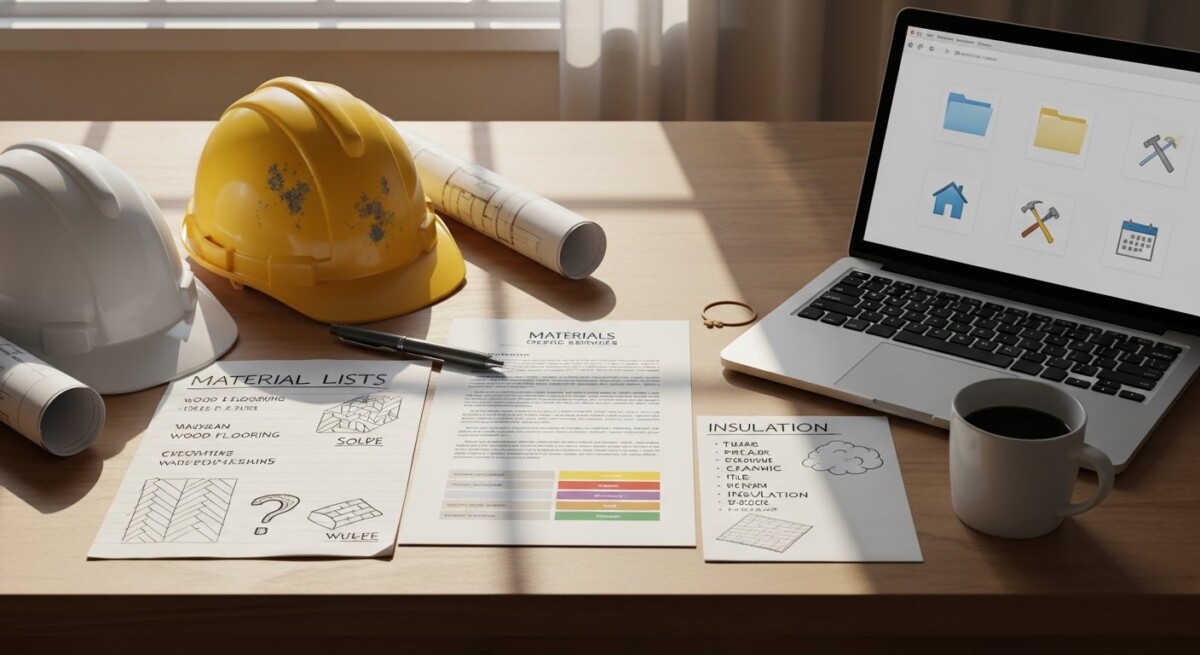
Construction Estimate Explained: What Homeowners Must Know
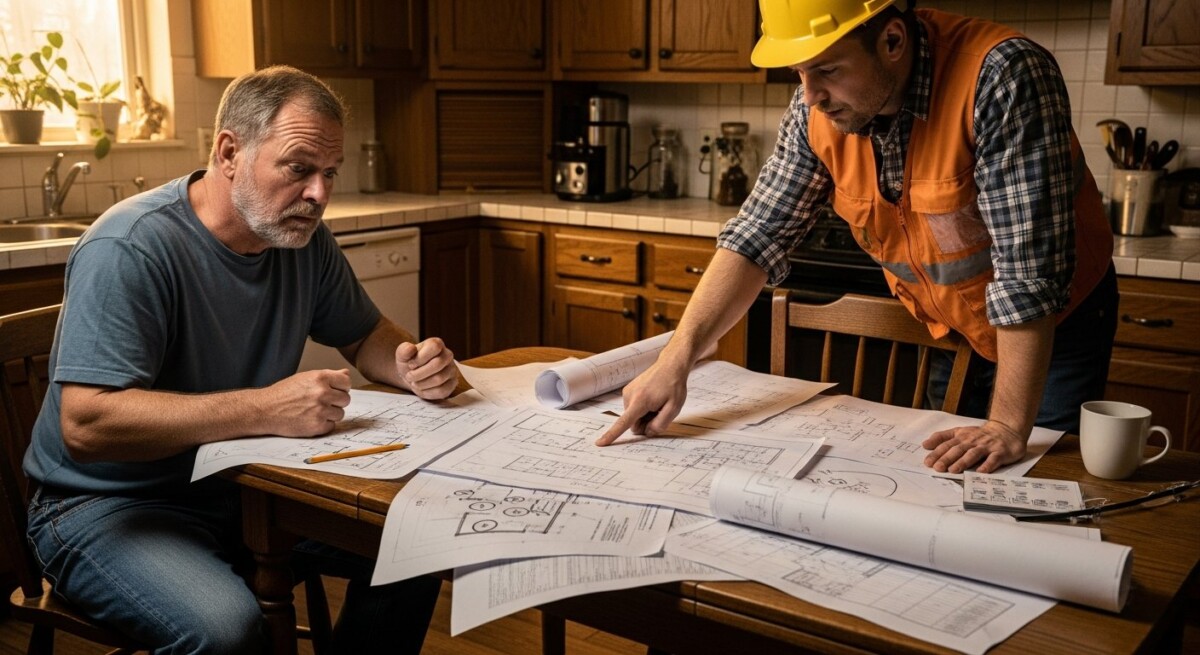
You finally decided to remodel your outdated kitchen. The cabinets are worn, the countertops are cracked, and you have a rough budget in mind. But when you start calling contractors, the numbers you hear back vary wildly. One quote is double another, and you have no idea why. This is the moment most homeowners realize they need a clear construction estimate explained in plain language,not confusing industry jargon. Without understanding how these numbers work, you risk overpaying, underestimating costs, or choosing the wrong contractor for the job.
Many homeowners discover this problem only after they have already received a few bids and feel overwhelmed. The estimates look like a foreign language, with line items for materials, labor, permits, and overhead. If you ignore the confusion and just pick the lowest number, you might end up with shoddy work or surprise charges later. On the other hand, the highest bid might not be gouging you,it could simply reflect the true cost of quality work. This article will walk you through everything you need to know about construction estimate explained so you can approach your next home project with confidence.
Understanding Construction Estimate Explained
A construction estimate is a detailed prediction of the costs involved in a home improvement or repair project. Think of it as a financial roadmap. It breaks down the price of materials, labor, equipment, permits, and sometimes a contingency fund for unexpected issues. The goal is to give you a realistic picture of what the project will cost before any work begins.
Estimates happen because contractors need to account for dozens of variables. The size of your home, the quality of materials you choose, the complexity of the design, and even your geographic location all affect the final number. For example, remodeling a half-bathroom in a small ranch home will cost far less than renovating a master suite in a century-old Victorian. Construction estimate explained is essentially the process of translating those variables into a dollar amount you can understand.
Homes most affected by confusing estimates are older properties, houses with unique architectural features, and homes that have had previous DIY repairs. In these cases, hidden conditions like outdated wiring, mold, or structural issues can dramatically change the estimate once work begins. That is why a thorough, written estimate is not just helpful,it is essential for protecting your investment.
Why This Matters for Your Home
Understanding your construction estimate protects you from financial surprises. When you know what each line item means, you can spot red flags like inflated material costs or missing scope items. Without this knowledge, you might agree to a contract that leaves you paying for change orders later,those dreaded add-ons that blow your budget.
Beyond money, poor estimates can lead to safety risks. If a contractor underestimates the labor needed, they may rush the job or cut corners to stay within budget. This can result in substandard work that compromises your family’s safety, such as faulty electrical wiring or improperly installed roofing. Taking the time to understand your estimate helps ensure the contractor has allocated enough resources to do the job right.
Delaying a project because you are unsure about costs only makes things worse. Minor issues like a small water leak or a cracked foundation wall will grow over time, turning a manageable repair into a major renovation. By learning how to read and compare estimates, you empower yourself to move forward with confidence rather than putting off critical home maintenance.
If you notice signs of this issue in your home, it may help to speak with a qualified contractor. Request a free quote or call (555) 123-4567 to explore your repair or remodeling options.
Common Problems Homeowners Experience
Homeowners often face the same set of frustrations when dealing with construction estimates. The most common issue is receiving estimates that are too vague. A contractor might say, “We’ll do the bathroom for $12,000,” but the estimate doesn’t list whether that includes tile, fixtures, or disposal fees. This lack of detail makes it impossible to compare bids apples to apples.
Another frequent problem is the “lowball” estimate. A contractor gives you a very low price to win the job, only to hit you with change orders once work begins. Suddenly, the $8,000 deck project becomes $14,000 because the “estimate” didn’t include the cost of removing the old deck or repairing the rotted support posts. Understanding construction estimate explained helps you recognize when a bid is unrealistically low.
Here are some common estimate-related issues homeowners encounter:
- Vague line items , Estimates that say “labor” without specifying hours or rates.
- Missing scope of work , The estimate doesn’t list what is and isn’t included.
- No material specifications , The bid says “tile” but not the brand, size, or quality.
- Unclear payment schedules , The contractor asks for a large deposit upfront without a clear milestone plan.
- No contingency fund , Older homes almost always have surprises; a good estimate includes 10,15% for unknowns.
- Expiration dates , Some estimates are only valid for 30 days; prices for materials can change quickly.
How Professionals Solve the Problem
Experienced contractors follow a systematic process to create accurate, transparent estimates. First, they visit your home in person to assess the site. They take measurements, inspect the existing conditions, and ask about your goals. This on-site evaluation is critical because photos or phone calls cannot reveal hidden issues like water damage or uneven floors.
Next, they break the project into phases and assign costs to each one. For example, a bathroom remodel estimate might include demolition, rough-in plumbing, electrical work, drywall, tile installation, and fixture installation. Each phase gets a material cost, labor cost, and timeline. The best contractors also explain their assumptions so you know exactly what is included.
Here is a typical process professionals follow:
- Initial consultation , Discuss your needs, budget, and timeline.
- Site inspection , Measure, photograph, and note any existing issues.
- Material takeoff , Calculate exactly how much lumber, tile, paint, etc. is needed.
- Labor estimate , Determine how many workers and hours are required.
- Add overhead and profit , Include insurance, licensing, office costs, and a fair profit margin.
- Present the estimate , Provide a written document with clear line items and an expiration date.
Professional work is safer and more reliable than DIY because contractors carry insurance, know local building codes, and have relationships with suppliers. They can also spot potential problems early, saving you from costly mistakes later. If you try to DIY a complex project based on a rough estimate, you risk both your safety and your home’s value.
A professional inspection can reveal hidden issues before they become expensive repairs. Compare contractor quotes here or call (555) 123-4567 to discuss your project.
Warning Signs You Should Not Ignore
Your home often gives you clues that a repair or renovation is overdue. Ignoring these signs can turn a small fix into a major financial headache. One of the most obvious warning signs is water damage,peeling paint, musty odors, or soft spots on the floor. These issues usually mean there is a leak behind a wall or under a fixture, and the longer you wait, the more structural damage occurs.
Another red flag is sudden increases in your utility bills. If your heating or cooling costs spike without explanation, your home may have insulation gaps, drafty windows, or an aging HVAC system. A professional estimate can help you decide whether to repair or replace these systems before they fail completely. Paying attention early saves you from emergency service calls, which are almost always more expensive.
Here are warning signs that suggest you need a professional estimate soon:
- Visible cracks in walls, ceilings, or foundations that are growing wider.
- Drafty rooms that never feel comfortable, even with the HVAC running.
- Sticking doors or windows that no longer open or close smoothly.
- Mold or mildew in bathrooms, basements, or around windows.
- Outdated electrical systems like two-prong outlets or flickering lights.
- Roof leaks or missing shingles after a storm.
What Affects the Cost of Repairs or Installation
Several factors influence the final number on your construction estimate. The size and scope of the project are the most obvious drivers. A small powder room renovation costs less than a full master suite addition because less material and labor are required. However, even within the same room size, material choices make a big difference. Custom cabinetry, premium countertops, and high-end fixtures can double the cost compared to standard selections.
Labor costs vary by region and by the complexity of the work. In urban areas with a high cost of living, contractors charge more per hour. Projects that require specialized skills,like structural engineering, historic restoration, or custom tile work,also command higher rates. Accessibility matters too. If your backyard is only reachable through the house, moving materials takes more time and effort, which increases the estimate.
The age and condition of your home play a major role. Older homes often have hidden issues like knob-and-tube wiring, lead paint, or asbestos that must be addressed before renovation can proceed. These unforeseen conditions add cost, which is why a good estimate includes a contingency fund. Construction estimate explained is not just about the price,it is about understanding why the price is what it is.
Costs can vary depending on the condition of your home. The best way to know the price is to get a personalized estimate. Request free quotes from contractors or call (555) 123-4567 today.
How to Choose the Right Contractor
Choosing a contractor is one of the most important decisions you will make for your home. Start by asking for recommendations from neighbors, friends, or local home improvement groups. Then, verify that each contractor is licensed and insured in your state. A valid license shows they meet minimum competency standards, and insurance protects you if someone gets hurt on your property.
Read online reviews on multiple platforms, but take overly negative or overly positive reviews with a grain of salt. Look for patterns. If several reviews mention the same problem,like poor communication or surprise charges,that is a red flag. Once you have a shortlist, ask each contractor for a detailed written estimate and compare them side by side.
Here are practical tips for selecting the right contractor:
- Check licenses and insurance , Verify they are current and adequate for your project.
- Read customer reviews , Look for feedback on reliability, quality, and budget adherence.
- Ask for detailed estimates , Reject vague bids; demand line-item breakdowns.
- Compare multiple quotes , Get at least three estimates to understand the market range.
- Confirm experience , Ask if they have done similar projects, especially in homes of your age and style.
Long-Term Benefits of Professional Work
Investing in professional work pays off over the life of your home. A properly installed roof, foundation repair, or HVAC system will last longer and perform better than a rushed or DIY job. Professionals stand behind their work with warranties, giving you peace of mind that if something goes wrong, they will fix it without charging you again.
Energy efficiency is another major benefit. A professional contractor knows how to seal gaps, install proper insulation, and choose Energy Star-rated appliances. These improvements lower your monthly utility bills and reduce your carbon footprint. Over time, the savings can offset the initial cost of the project.
Finally, professional work increases your home’s resale value. When you go to sell, buyers will ask for documentation of renovations. A well-documented project with permits and professional estimates shows that the work was done to code and with quality materials. This can be the difference between a quick sale at asking price and a home that sits on the market.
What is a construction estimate?
A construction estimate is a written prediction of the total cost of a home improvement project. It includes materials, labor, permits, and other expenses. It helps you budget and compare bids from different contractors.
How is a construction estimate different from a quote?
An estimate is an educated guess of costs, while a quote is a fixed price offer. Estimates can change if unexpected issues arise, but a quote should be honored as long as the scope of work does not change. Always ask which one you are receiving.
Why do contractor estimates vary so much?
Estimates vary because contractors use different methods to calculate costs, have different overhead expenses, and may include different levels of detail. A lower estimate may leave out important items, while a higher one may include higher-quality materials or a larger contingency fund.
What should a good construction estimate include?
A good estimate includes a scope of work, material specifications, labor costs, permit fees, a timeline, payment schedule, and a contingency percentage. It should be written clearly so you can compare it with other bids.
Can I use a construction estimate to negotiate?
Yes. Once you have multiple estimates, you can ask contractors to match or adjust their prices. However, focus on value rather than just the lowest price. A slightly higher estimate may include better materials or a longer warranty.
How long is a construction estimate valid?
Most estimates are valid for 30 to 60 days. Material prices and labor availability can change, so contractors set expiration dates to protect themselves. If you wait too long, you may need a new estimate.
What happens if the actual cost exceeds the estimate?
If the contractor finds unexpected issues like mold or rotten wood, they may issue a change order with additional costs. A good estimate includes a contingency fund (usually 10,15%) to cover these surprises. Always discuss how changes will be handled before signing a contract.
Do I need a construction estimate for small repairs?
Even for small jobs, a written estimate protects both you and the contractor. It clarifies what work will be done and at what price. For minor repairs, many contractors provide a free estimate over the phone or after a quick visit.
Understanding your construction estimate is the first step toward a successful home project. Whether you are planning a small repair or a major renovation, taking the time to learn what goes into those numbers will save you money, stress, and frustration. Do not let confusion hold you back from improving your home. Compare contractor quotes today so you can move forward with confidence.