
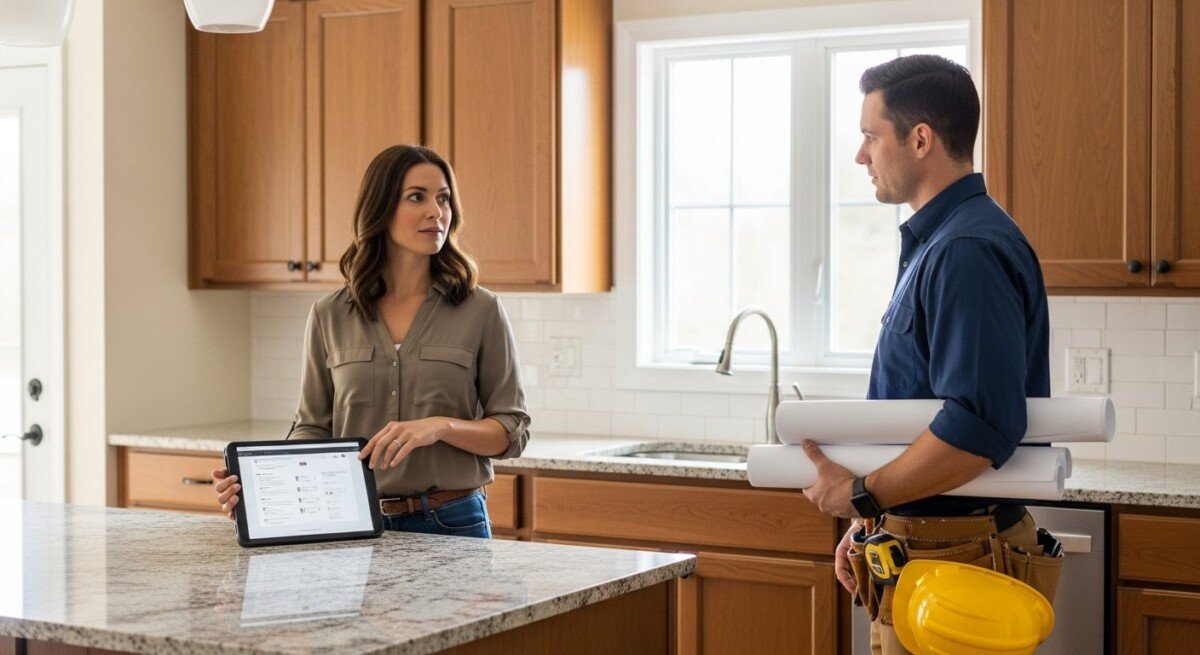
How to Check Contractor License and Insurance for Homeowners
A practical guide for homeowners on how to check contractor license and insurance to protect your home, finances, and peace of mind.
By Chelsea Kris
Learn more about Exterior Painting for guides, costs, and what to expect.
Compare Exterior Painting Pros Near You

Enter your ZIP code to compare top-rated local professionals and request free quotes.
You’ve finally decided to tackle that kitchen remodel or fix the roof after a storm. You get a few quotes, and one contractor’s price is surprisingly low. He seems friendly and promises a quick job. It’s tempting to just say yes and get started. But what if something goes wrong? What if a worker gets injured on your property, or the work fails inspection? The difference between a dream project and a financial nightmare often comes down to one simple step: verifying a contractor’s license and insurance.
Understanding Contractor License and Insurance
A contractor’s license is official permission from your state or local government to perform specific types of construction work. It proves they have met minimum standards for knowledge, experience, and sometimes financial stability. Insurance, typically general liability and workers’ compensation, protects you from being held financially responsible for accidents, injuries, or property damage that occur during the project.
Think of it this way: the license shows they know what they’re doing. The insurance protects you if something unexpected happens while they’re doing it. Skipping these checks is like letting someone drive your car without asking if they have a license or auto insurance. The risk is entirely on you.
Why This Matters for Your Home
Hiring an unlicensed or uninsured contractor might save you money upfront, but it exposes you to immense risk. If a worker falls off your roof and isn’t covered by workers’ comp, you could be sued for their medical bills and lost wages. If faulty electrical work causes a fire, their lack of liability insurance means your homeowner’s policy may have to cover it, leading to higher premiums or even a denied claim.
Furthermore, work by an unlicensed contractor often won’t pass required building inspections. This can halt your project, force you to pay another contractor to fix the mistakes, and even affect your ability to sell your home later. Protecting your biggest investment starts with hiring someone who is properly credentialed.
If you notice signs of this issue in your home, it may help to speak with a qualified contractor. Request a free quote or call to explore your repair or remodeling options.
Common Problems Homeowners Experience
When you don’t verify credentials, you open the door to a host of problems that go beyond shoddy workmanship. These issues often surface mid-project or after the contractor has left, leaving you to deal with the consequences and costs alone.
The fallout can be stressful, expensive, and sometimes dangerous. Common problems include:
- Property Damage: An uninsured contractor damages your siding, breaks a window, or floods your bathroom. You have no recourse to make them pay for repairs.
- Injury Liability: A worker gets hurt on your property. Without workers’ comp, you could be held personally liable for their medical expenses.
- Failed Inspections: The work doesn’t meet code, and you must pay a licensed professional to tear it out and redo it.
- Abandoned Projects: The contractor takes a deposit and disappears, or quits halfway through when the job gets complicated.
- Voided Warranties: Manufacturers may void warranties on roofing, windows, or appliances if they are installed by an unlicensed individual.
- Legal and Financial Headaches: Liens can be placed on your home if the contractor doesn’t pay their suppliers or subcontractors.
How Professionals Solve the Problem
A licensed and insured contractor brings legitimacy, accountability, and peace of mind to your project. They follow a professional process designed to protect both you and them. Their insurance acts as a safety net, ensuring that unforeseen accidents don’t derail your finances or your project.
Their work is not just about skill; it’s about following a system that ensures reliability and compliance. A typical professional process includes:
- Initial Consultation & Detailed Estimate: They assess your needs and provide a clear, written scope of work and price.
- Contract & Permits: They sign a formal contract and pull all necessary building permits, which triggers official inspections.
- Protected Execution: Work is performed by trained personnel, with liability and workers’ comp insurance active on your property.
- Quality Checks & Inspections: The work is checked against the contract and must pass municipal building inspections.
- Final Walkthrough & Resolution: You review the completed work, and any issues are addressed before final payment.
A professional inspection can reveal hidden issues before they become expensive repairs. Compare contractor quotes here or call to discuss your project.
Warning Signs You Should Not Ignore
Some contractors who are not properly credentialed will use high-pressure tactics or too-good-to-be-true offers. Being aware of red flags can help you avoid a bad hire before you sign anything or hand over money.
Trust your instincts. If something feels off, it probably is. Here are key warning signs:
- They only accept cash payments and don’t provide a detailed written contract.
- They ask for a large deposit (more than 10-15%) or full payment upfront.
- They are reluctant to provide their license number or proof of insurance.
- They say permits are “not needed” or that you can “save money” by pulling the permit yourself as the homeowner.
- Their quote is drastically lower than others, often with vague explanations.
- They use a PO Box or have no physical business address.
What Affects the Cost of Repairs or Installation
It’s natural to focus on price, but understanding what goes into a contractor’s quote helps you see the value in hiring a legitimate professional. A licensed contractor’s price includes the costs of doing business the right way: insurance premiums, bonding, continuing education, permit fees, and quality materials.
Several factors influence the final cost, including the project’s size and complexity, the quality of materials selected, local labor rates, and your home’s accessibility. An older home may have unforeseen issues like outdated wiring or structural problems that are discovered once work begins, which a professional will account for in their planning.
Costs can vary depending on the condition of your home. The best way to know the price is to get a personalized estimate. Request free quotes from contractors or call today.
How to Choose the Right Contractor
Selecting a contractor is one of the most important decisions you’ll make for your home. Taking a methodical approach ensures you find a partner you can trust. Start by asking friends and neighbors for referrals, then do your own due diligence on each candidate.
Verification is a non-negotiable step. For a thorough process, consult our guide on how to verify a contractor license step-by-step. Beyond that, follow these practical tips:
- Check Licenses and Insurance: Contact your state’s licensing board to confirm the license is active and in good standing. Request a certificate of insurance directly from the contractor’s insurer.
- Read Reviews and Ask for References: Check online reviews on multiple platforms and ask for past client references for similar projects.
- Get Detailed, Written Estimates: Compare “apples to apples” quotes that break down labor, materials, timeline, and payment schedule.
- Interview Multiple Contractors: Meet with at least three candidates to gauge their communication style, professionalism, and understanding of your vision.
- Trust Your Gut: Choose someone you feel comfortable communicating with, as they will be in your home for an extended period.
Long-Term Benefits of Professional Work
Investing in a licensed and insured professional pays dividends long after the project is complete. Quality workmanship with proper materials lasts longer, performs better, and requires less maintenance. This means you save money and hassle over the life of your home.
Furthermore, permitted and inspected work adds to your home’s official record, boosting its resale value and marketability. Future buyers and their inspectors will have confidence that major systems were installed correctly. You also gain the peace of mind that comes from knowing your home is safer and that you are protected from liability, allowing you to truly enjoy the improvements you’ve made.
How do I check if a contractor is licensed?
Every state has an online license lookup tool, usually run by the Contractor’s State License Board or a similar agency. Ask the contractor for their license number, then visit the official state website to verify it’s active, in good standing, and covers the type of work you need. Never rely on a business card or website claim alone.
What insurance should a contractor have?
A reputable contractor should have General Liability Insurance and Workers’ Compensation Insurance. General liability covers property damage they might cause. Workers’ comp covers employee injuries on your property. Ask for a Certificate of Insurance (COI) and call the insurer to verify it’s current.
What if a contractor isn’t licensed but is cheap?
The low price is a major red flag and reflects the risk you’re taking on. You become the de facto insurer and risk manager. Any savings will be quickly erased by liability for accidents, cost of fixing bad work, or fines for unpermitted projects. It’s never worth the risk to your home and finances.
Can I be sued if a worker gets hurt at my house?
Yes, absolutely. If the contractor does not carry valid Workers’ Compensation insurance, you as the homeowner can be held personally liable for medical bills, lost wages, and legal fees. This is one of the most critical reasons to verify insurance. Finding licensed and insured contractors near you is the best protection.
What questions should I ask a contractor before hiring?
Key questions include: “Can I have your license number?” “Will you provide a Certificate of Insurance?” “Will you obtain all necessary permits?” “What is the projected timeline and payment schedule?” “Do you offer a warranty on your work?” Their willingness to answer clearly is a good sign.
Is a handyman required to be licensed and insured?
Laws vary by state and the value/scope of work. Many states have thresholds (e.g., jobs over $500) that require a license. However, for any significant project, you should insist on proper credentials. For larger projects, you’ll want a specialist, like the licensed general contractors who manage complex remodels.
What is a contractor bond, and do I need to check it?
A bond is a form of financial guarantee, often required for a license. If the contractor violates licensing laws (like not paying for materials), you can file a claim against the bond. You can check bonding status through the same state license lookup tool you use for the license.
What should a good contractor contract include?
A solid contract should include the contractor’s license number, a detailed scope of work, materials list (brands, models, grades), start and completion dates, total price, payment schedule, warranty information, and a clause for how change orders are handled. Never sign a vague or incomplete contract.
Protecting your home starts with protecting yourself during the hiring process. Taking the time to verify a contractor’s license and insurance is the single most effective way to ensure your project is a success, not a source of stress and financial loss. By comparing detailed quotes from several verified professionals, you can make a confident, informed decision that safeguards your investment and brings your vision to life.
Learn more about Exterior Painting for guides, costs, and what to expect.
Compare Exterior Painting Pros Near You
Enter your ZIP code to compare top-rated local professionals and request free quotes.