
When to Call a Contractor Instead of Doing It Yourself
Learn the key signs that a home project needs a professional contractor. Protect your safety, budget, and home’s value by knowing when to DIY and when to call a pro.
By Alexia Mabel
Learn more about Exterior Painting for guides, costs, and what to expect.
Compare Exterior Painting Pros Near You

Enter your ZIP code to compare top-rated local professionals and request free quotes.
You’re a capable homeowner. You’ve tackled a leaky faucet, painted a room, and maybe even installed a ceiling fan. But when that next home project pops up, a nagging question arises: “Can I handle this myself, or is it time to call a pro?” Knowing the difference can save you time, money, and a lot of headaches. This guide will help you make that smart call, ensuring your home gets the safe, lasting care it deserves.
Protect your home and your peace of mind. Call 📞833-439-3727 or visit Get a Professional Quote for a free, professional consultation today.
Understanding When to Call a Contractor
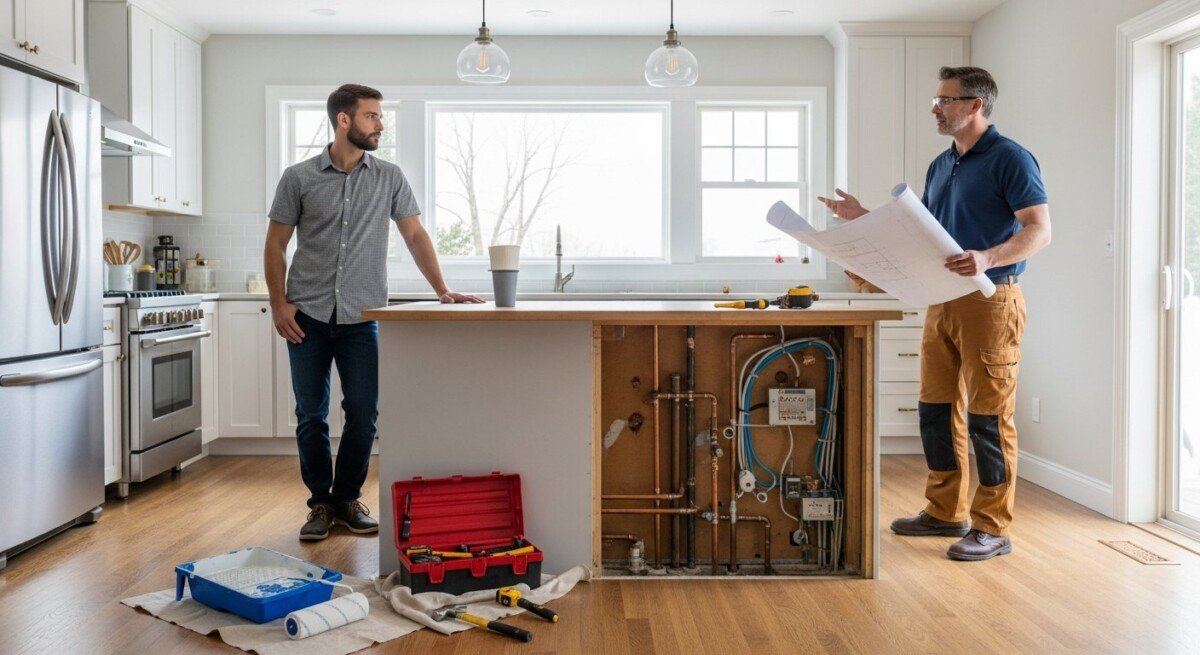
The decision to DIY or hire a contractor isn’t just about skill. It’s a careful balance of safety, complexity, cost, and long-term value. A successful DIY project fits your abilities, uses common tools, and has a clear, low-risk path to completion. A contractor’s job, however, often involves specialized knowledge, permits, major systems, or structural work where mistakes are costly or dangerous.
Think of it this way: painting a wall is a weekend project. Reconfiguring plumbing for a new bathroom is a multi-week endeavor requiring licenses and inspections. The key is honest self-assessment. Overestimating your skills can turn a simple repair into an expensive disaster.
The Three Pillars: Safety, Codes, and Complexity
Three factors should immediately push you toward a professional: safety risks, building codes, and project complexity. Electrical work, major plumbing, structural changes, and roofing all carry high injury risk. Building codes exist for safety and legality; a pro ensures work is permitted and inspected. Finally, if a project involves multiple trades (like moving a wall which requires framing, electrical, and drywall), a contractor coordinates it all seamlessly.
Why It Matters for Homeowners
Choosing correctly protects your biggest investment: your home. A botched DIY job can lower your property value, create safety hazards for your family, and lead to costly repairs down the line. For example, improper electrical wiring is a leading cause of house fires. Poor plumbing can cause hidden water damage and mold, compromising your home’s structure and air quality.
On the flip side, hiring a qualified contractor brings peace of mind. You gain access to expertise, proper tools, warranties on workmanship, and the assurance that the job meets all local codes. This professional finish not only looks better but also performs better for years, protecting your home’s integrity and your family’s comfort.
Ready for a professional assessment? Contact our licensed team today for a free, no-obligation consultation. We’re here to help you make the right choice for your home.
Common Issues and Their Causes
Many homeowners encounter problems that seem fixable but have deeper roots. A wobbly banister might seem like a loose screw, but it could indicate deteriorating structural support. A persistently damp basement might seem to need just a sealant, but often requires professional waterproofing and drainage solutions.
Here are typical issues where DIY fixes often fall short:
- Electrical Problems: Frequent breaker trips, flickering lights, or outdated wiring. Often caused by overloaded circuits, faulty panels, or aging infrastructure.
- Plumbing Leaks & Low Pressure: Leaks behind walls, sewer line backups, or inconsistent water pressure. Usually stem from corroded pipes, root intrusion, or improper original installation.
- Structural Concerns: Cracks in foundation walls, sagging floors, or doors/windows that won’t close. Caused by soil settlement, water damage, or inadequate support.
- Roof Leaks: Water stains on ceilings or in attics. Rarely just a missing shingle; often involve compromised underlayment, flashing, or ventilation systems.
- HVAC Failures: Inconsistent heating/cooling, strange noises, or high energy bills. Results from failing components, ductwork issues, or improper system sizing.
How Professionals Fix the Problem
A professional contractor doesn’t just patch the symptom; they diagnose and solve the root cause. The process begins with a thorough inspection to understand the full scope. They then develop a plan that complies with building codes, often securing necessary permits before any work begins.
Using specialized tools and materials, they execute the repair or installation with precision. For instance, a pro fixing a roof leak will locate the exact entry point, repair the decking, install proper ice-and-water shield, and integrate new flashing seamlessly with the existing roof system. After completion, they arrange for inspections to certify the work and provide you with documentation and warranties, ensuring the solution is permanent and protected.
Don’t let a small issue become a major repair. Explore our professional services to schedule an expert diagnosis and lasting solution.
Signs You Should Not Ignore
Some home issues are clear red flags demanding professional attention. If you notice any of the following, it’s time to put down the tools and pick up the phone. These signs often point to systemic problems that require expert intervention.
Ignoring them can lead to accelerated damage, higher repair costs, and serious safety risks. A small crack can widen, a minor leak can cause mold, and an electrical smell can precede a fire. Trust your instincts,if something feels off or beyond your comfort zone, it likely is.
Protect your home and your peace of mind. Call 📞833-439-3727 or visit Get a Professional Quote for a free, professional consultation today.
- You smell gas or burning electrical odors. This is an immediate safety hazard. Evacuate if necessary and call a pro and your utility company.
- Water is leaking from ceilings, walls, or electrical fixtures. Water and electricity are a dangerous mix, and hidden water damage spreads quickly.
- You see large, widening cracks in foundation walls or major structural beams.
- A project requires a permit you don’t know how to obtain. Unpermitted work can void insurance and cause problems when selling your home.
- You’re dealing with the main electrical panel, sewer line, or load-bearing walls. The margin for error here is zero.
Cost Factors and What Affects Pricing
Understanding what goes into a contractor’s quote helps you see its value. The biggest factor is project scope and materials. A full bathroom remodel costs more than a toilet replacement. High-end materials also increase price. Labor intensity and expertise are next. Jobs requiring licensed specialists (electricians, plumbers) or dangerous work (high roofs) cost more due to skill and insurance.
Location and accessibility matter, too. Working in a tight, hard-to-reach space takes longer. Finally, permits and inspections add administrative costs but are non-negotiable for legal, safe work. A reputable contractor will provide a detailed, transparent estimate breaking these down, so you know exactly what you’re paying for.
How To Choose the Right Professional or Service
Selecting the right contractor is as important as deciding to hire one. Start by verifying licensing and insurance. A legitimate pro will have both, protecting you from liability. Check online reviews and ask for references to gauge reputation and quality. Look for experience with your specific project type.
Always get detailed, written estimates from at least three companies. The lowest bid isn’t always the best; compare the scope of work and materials specified. Finally, ensure communication is clear. You want a contractor who listens, answers questions thoroughly, and provides a solid contract outlining timeline, payment schedule, and warranty details.
Long-Term Benefits for Your Home
Hiring a professional is an investment that pays dividends for years. The most immediate benefit is safety and peace of mind, knowing systems are installed correctly. Professionally done work also enhances your home’s value and appeal, a key factor if you ever sell.
It prevents future problems through proper installation and code compliance, saving you from recurring repairs. You’ll also enjoy better efficiency (lower energy/water bills) and comprehensive warranties that cover both parts and labor. In the long run, doing it right the first time with a pro saves money, stress, and protects your home’s legacy.
Frequently Asked Questions
How do I know if a project is too hard for me?
Ask yourself: Does it require a permit or specialized license? Could a mistake cause injury or major property damage? Does it involve hidden systems (wiring, pipes, structure)? If you answer “yes” to any, it’s time to call a contractor. If you feel intense anxiety or can’t find clear, reliable instructions, that’s also a sign.
Won’t I save a lot of money by doing it myself?
Often, no. While you save on upfront labor, mistakes can be incredibly expensive to fix. You may buy wrong tools or materials, fail inspections, or cause damage that a pro must repair. Factor in your time and stress. For complex jobs, a professional does it faster, correctly, and with a warranty, offering better long-term value.
What questions should I ask a contractor before hiring?
Ask for proof of license and insurance, references from similar projects, who will perform the work (employees or subs), the projected timeline, how permits and inspections are handled, and details of the warranty. A trustworthy contractor will answer these readily.
Are there any projects I should never attempt myself?
Yes. Major electrical work (especially on the service panel), any gas line work, structural modifications to load-bearing walls, complex roofing repairs, and anything involving asbestos or lead paint abatement. The risks of injury, fire, explosion, or long-term health hazards are too high.
What’s the difference between a handyman and a licensed contractor?
A licensed contractor has passed exams, carries specific insurance, and is legally authorized to pull permits for large, complex, or structural projects. A handyman is ideal for small repairs, maintenance, and tasks that don’t require permits. For anything involving plumbing, electrical, or structural changes, always choose a licensed contractor.
How long do most contractor projects take?
It varies widely. A small, single-trade repair might take a day. A kitchen remodel could take 6-8 weeks. A reputable contractor will provide a detailed timeline in the contract, including start date, major milestones, and expected completion, factoring in material lead times and inspection schedules.
Do contractors clean up after the job is done?
A professional contractor includes site cleanup and debris removal in their quote and process. This means hauling away old materials, sweeping up dust, and leaving your space usable. Always confirm cleanup expectations are included in your written contract before work begins.
Your home is your sanctuary and your most valuable asset. Knowing when to call in a professional is a sign of a smart, responsible homeowner. It’s the choice that prioritizes safety, quality, and lasting value over short-term savings. By partnering with a trusted contractor for the right projects, you ensure your home remains a safe, comfortable, and well-crafted place for years to come.
Protect your home and your peace of mind. Call 📞833-439-3727 or visit Get a Professional Quote for a free, professional consultation today.
Learn more about Exterior Painting for guides, costs, and what to expect.
Compare Exterior Painting Pros Near You
Enter your ZIP code to compare top-rated local professionals and request free quotes.