
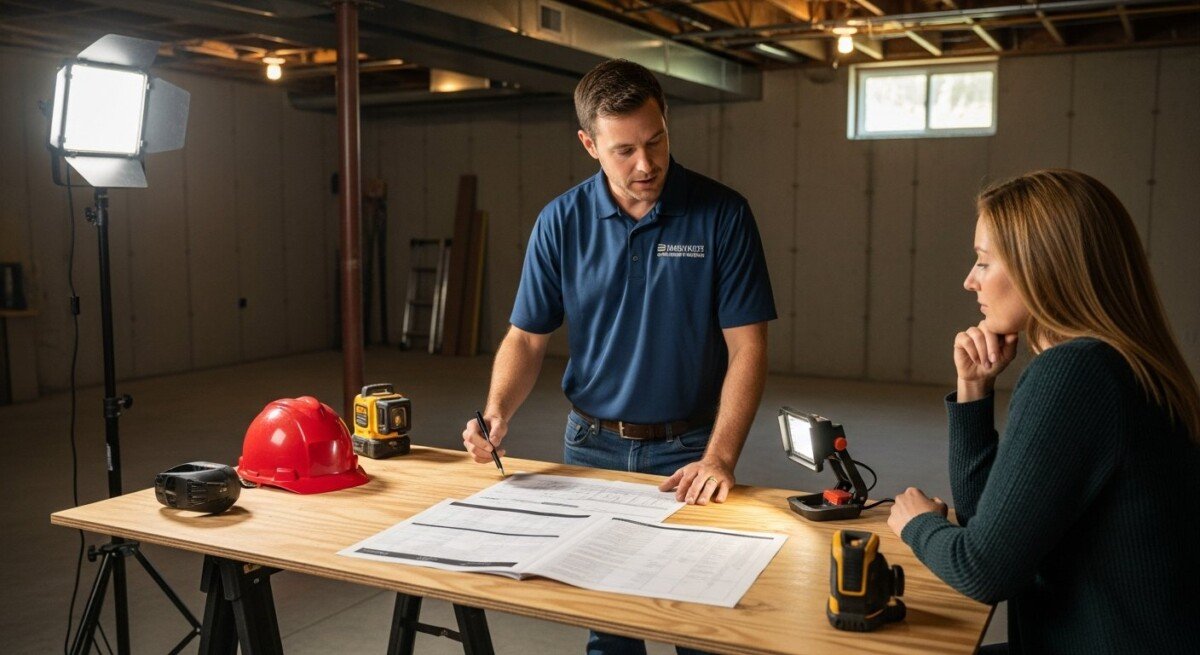
Understanding Your Basement Renovation Contractor Estimate
A clear guide to understanding and comparing basement renovation contractor estimates, helping homeowners plan their project confidently and avoid costly surprises.
By Chelsea Kris
Learn more about Exterior Painting for guides, costs, and what to expect.
Compare Exterior Painting Pros Near You

Enter your ZIP code to compare top-rated local professionals and request free quotes.
You’ve finally decided to transform that dark, unused basement into a cozy family room, a home office, or a much-needed guest suite. The vision is clear, but then you start getting quotes from contractors. One estimate is surprisingly low, another is pages long and confusing, and a third seems to miss key elements you discussed. This moment,trying to understand and compare basement renovation contractor estimates,is where many homeowners feel overwhelmed and unsure how to proceed.
Understanding Basement Renovation Contractor Estimates
A basement renovation contractor estimate is a detailed projection of the costs, materials, labor, and timeline for your project. It’s not just a final price tag. Think of it as a roadmap that outlines how a contractor plans to turn your vision into reality and what that journey will cost.
These documents vary in detail and format from one contractor to another. A thorough estimate protects both you and the contractor by setting clear expectations from the start. It helps you understand exactly what you’re paying for and prevents misunderstandings that can lead to budget overruns and project delays.
Why This Matters for Your Home
Your basement is a major structural component of your house. A renovation involves electrical work, plumbing, framing, and finishing,all of which must be done correctly. An unclear or incomplete estimate can lead to shortcuts, the use of subpar materials, or unexpected charges that strain your finances.
More importantly, improper work can create safety hazards like faulty wiring, poor ventilation, or moisture problems that lead to mold. A professional, detailed estimate is the first step in ensuring the job is done safely, to code, and adds lasting value to your home instead of creating future headaches.
If you notice signs of this issue in your home, it may help to speak with a qualified contractor. Request a free quote or call to explore your repair or remodeling options.
Common Problems Homeowners Experience
When estimates are vague or inconsistent, homeowners often face frustrating and costly situations. The most common issue is the “surprise” change order, where a contractor claims an element wasn’t included in the original price, leading to a sudden increase in cost mid-project.
Other problems arise from estimates that don’t account for potential hidden issues, like pre-existing water damage or outdated wiring. Without a clear, itemized breakdown, it’s impossible to compare quotes fairly or understand where your money is going. For a deeper look at what should be in this document, our guide on what to include in a contractor estimate breaks down the essential components.
- Vague line items like “labor and materials” without specifics.
- Missing costs for permits, inspections, or dumpster rentals.
- No allowance for potential problems behind walls.
- Unclear payment schedule tied to project milestones.
- Significant price differences between similar contractors.
- Estimates provided verbally without a written document.
How Professionals Solve the Problem
A reputable contractor approaches an estimate as a planning tool, not just a sales document. They start with a thorough inspection of your basement, noting the condition of the foundation, utilities, and any existing moisture. This due diligence allows them to create a realistic scope of work and budget.
Their detailed estimate translates your goals into a actionable plan. It specifies brands, grades of materials, labor hours, and a logical sequence of work. This transparency builds trust and ensures everyone is on the same page before a single hammer is swung.
- Initial Consultation & Site Inspection: The contractor assesses your space, discusses your needs, and identifies potential challenges.
- Detailed Scope Development: They draft a precise list of all tasks, from demolition and framing to electrical and finishing.
- Material & Labor Calculation: Each task is assigned material costs and the labor hours required to complete it.
- Document Assembly: All costs, along with project timelines, warranty info, and payment terms, are compiled into a formal estimate.
- Review & Revision: They walk you through the estimate, answer questions, and make adjustments until you fully understand and agree.
A professional inspection can reveal hidden issues before they become expensive repairs. Compare contractor quotes here or call to discuss your project.
Warning Signs You Should Not Ignore
Some estimates are red flags in disguise. If a contractor is reluctant to put details in writing or pressures you to sign quickly, it’s a sign to walk away. An estimate that seems too good to be true usually is, often meaning they’ve cut corners or will hit you with change orders later.
Pay close attention to how a contractor communicates during the estimate phase. Their professionalism, willingness to answer questions, and attention to detail here are strong indicators of how they’ll manage the entire renovation project.
- The estimate is a single bottom-line number with no itemization.
- The contractor asks for a large cash deposit upfront before any work begins.
- They are vague about the project timeline or cannot provide a clear start date.
- Key elements you discussed, like bathroom plumbing or egress window installation, are missing.
- The document lacks the contractor’s license number, insurance details, or company address.
- They dismiss your questions or concerns about specific costs.
What Affects the Cost of Repairs or Installation
Basement renovation costs vary widely because every basement and every homeowner’s vision is unique. The single biggest factor is the scope of work. Are you creating a simple open rec room, or are you adding a full bathroom, kitchenette, and separate bedrooms? Each addition involves more tradespeople, materials, and complex plumbing and electrical work.
The existing condition of your basement is another major cost driver. A dry, clean, and level concrete slab is an ideal starting point. If the contractor first needs to remedy water intrusion, level floors, or remove old, hazardous materials, those preparatory repairs will add to the overall project cost but are essential for a successful, long-lasting renovation.
Costs can vary depending on the condition of your home. The best way to know the price is to get a personalized estimate. Request free quotes from contractors or call today.
How to Choose the Right Contractor
The estimate is your primary tool for choosing the right professional. Don’t just compare the bottom-line number; compare the depth of planning, the quality of materials specified, and the clarity of communication. The cheapest option is rarely the best value when it comes to a complex project like a basement finish.
Take your time. A trustworthy contractor will never rush you into a decision. They understand this is a significant investment and will encourage you to review their proposal carefully. Remember, an estimate also has a shelf life, as material and labor costs fluctuate. It’s wise to understand how long contractor estimates remain valid so you can plan your project timeline accordingly.
- Verify they are licensed, insured, and bonded for your protection.
- Read recent reviews and ask for references from past basement projects.
- Ensure the estimate is detailed, itemized, and includes a clear payment schedule.
- Get at least three written estimates to compare scope and value.
- Choose a contractor who listens to your ideas and offers practical, experienced solutions.
Long-Term Benefits of Professional Work
Investing in a thorough, professional basement renovation pays dividends for years. First and foremost, you gain peace of mind knowing the work is safe, structurally sound, and up to building code. This protects your family and avoids costly fines or problems when you eventually sell your home.
A well-executed renovation also increases your living space and your home’s market value. It improves energy efficiency with proper insulation and modern fixtures. Perhaps most importantly, it transforms a damp, storage-only area into a beautiful, functional part of your home that your family can enjoy daily, making your entire home feel larger and more valuable.
What should a basement renovation estimate include?
A comprehensive estimate should include a detailed scope of work, itemized costs for materials and labor, a project timeline, payment schedule, and information about the contractor’s license and insurance. It should specify brands, models, or grades of major materials like flooring, drywall, and fixtures. For a complete checklist, you can review our article on what to include in a contractor estimate.
How long is a contractor’s estimate valid?
Most estimates are valid for 30 to 90 days. This is because material prices and labor availability can change. The validity period should be stated clearly on the estimate document itself. If your planning phase extends beyond that window, it’s reasonable to ask the contractor if the quote is still accurate or needs a slight adjustment.
Why are basement renovation estimates so different?
Large differences often stem from varying scopes of work, material quality, and labor assumptions. One contractor may include higher-end finishes or account for potential structural repairs, while another might be quoting for a more basic finish or using lower-cost materials. The differences highlight why a detailed, line-item comparison is more important than just comparing the final price.
Should I get multiple estimates?
Yes, getting at least three detailed estimates is highly recommended. It allows you to compare not just price, but also the proposed approach, material quality, and professionalism of each contractor. This process helps you find the best value and the contractor you feel most confident working with on a major project.
What’s the difference between an estimate and a quote?
In home improvement, the terms are often used interchangeably, but there can be a subtle difference. An “estimate” is typically a careful approximation of costs, while a “quote” or “bid” may be presented as a fixed price for the defined scope. Always ask the contractor if the number they provide is a fixed price or a best-guess estimate that could change.
How do I compare estimates that look different?
Create a comparison spreadsheet. List each major component (e.g., framing, electrical, bathroom rough-in, flooring) as a row. Then, across columns for each contractor, note the cost and specifications for that item. This side-by-side view will quickly reveal who is including more, who is using better materials, and where the true value lies.
Understanding your basement renovation contractor estimate is the most critical step in ensuring a successful project. It transforms anxiety into confidence by providing a clear plan and budget. By taking the time to review estimates carefully, ask questions, and choose a contractor based on detailed value,not just the lowest price,you protect your investment and your home. Start your project on solid ground by requesting and comparing detailed quotes from qualified professionals in your area.
Learn more about Exterior Painting for guides, costs, and what to expect.
Compare Exterior Painting Pros Near You
Enter your ZIP code to compare top-rated local professionals and request free quotes.