Average Remodeling Project Costs: A Homeowner’s Guide

You’ve finally decided to tackle that outdated kitchen or transform your cramped bathroom. You start browsing inspiration photos and making a wish list, but then a nagging question stops you cold: “How much is this actually going to cost?” For most homeowners, the uncertainty around average remodeling project costs is the biggest hurdle between a dream and reality. Without a clear budget framework, it’s easy to get quotes that feel shocking or to start a project only to discover hidden issues that double the price. Understanding typical costs isn’t just about budgeting,it’s about protecting your investment and ensuring your project succeeds from start to finish.
Understanding Average Remodeling Project Costs
Average remodeling project costs represent the typical price range homeowners pay for common home improvement jobs, based on national and regional data. These figures include materials, labor, permits, and a contractor’s overhead and profit. They provide a crucial starting point for setting realistic expectations.
Costs vary widely because every home and project is unique. A “minor kitchen remodel” might involve just new countertops and paint, while a “major remodel” could mean moving walls and upgrading all appliances and systems. The averages help you understand the scale of investment required for different levels of work.
These numbers are most affected by your home’s location, the project’s scope, and the quality of materials you choose. A mid-range bathroom remodel in a suburban area will have a very different price tag than a luxury primary suite renovation in a major city.
Why “Average” Is Just a Starting Point
Think of average costs as a map, not a destination. They show you the general landscape of home improvement pricing. Your specific project cost will be determined by the condition of your existing space, your design choices, and any unforeseen challenges discovered once walls are opened.
This is why professional estimates are so valuable. A contractor assesses your unique situation, while averages give you the knowledge to have an informed conversation. For a deeper dive into how estimates are built, our guide on understanding remodeling project estimates breaks down the line items.
Why This Matters for Your Home
Underestimating project costs is one of the most common and stressful mistakes in home improvement. It can lead to half-finished projects, strained finances, and rushed decisions that compromise quality. Starting with a clear financial picture protects your savings and your peace of mind.
Accurate budgeting also protects your home’s value. A well-executed, professionally completed remodel typically offers a strong return on investment and enhances your daily life. A project done poorly or abandoned due to budget overruns can actually decrease your home’s appeal and value.
Furthermore, understanding costs helps you prioritize. You might discover that addressing critical structural or safety issues, like outdated wiring or plumbing, should come before cosmetic upgrades. This ensures your home is safe and sound, not just beautiful.
If you’re starting to plan a project but feel unsure about the numbers, it may help to speak with a qualified contractor. Request a free quote or call to explore your repair or remodeling options.
Common Problems Homeowners Experience
Many homeowners jump into remodeling with a budget based on TV show makeovers or a friend’s project from five years ago. This often leads to “sticker shock” when real-world quotes arrive, causing delays, frustration, and scaled-back dreams.
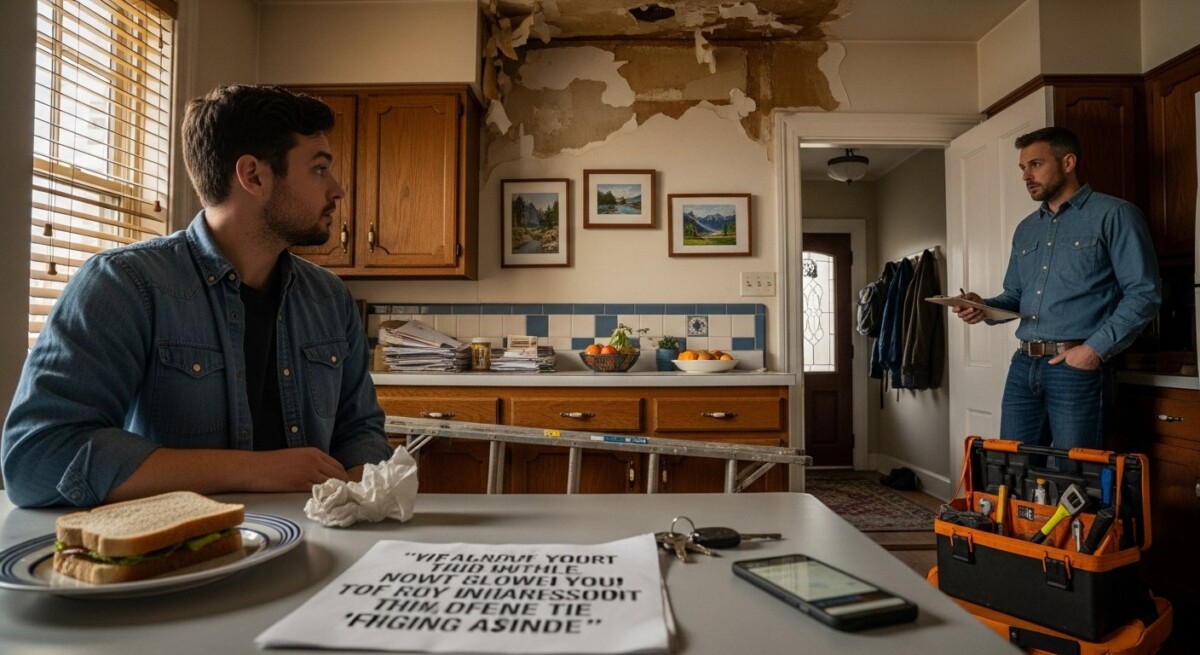
Another frequent issue is the hidden problem. Once demolition begins, contractors might find water damage, faulty wiring, or structural issues that weren’t visible during the initial walkthrough. These surprises are major budget-busters if you haven’t planned a contingency fund.
Homeowners also struggle with scope creep. It’s easy to say, “While we’re at it, let’s also…” but each addition increases the final bill. Without a firm budget grounded in average costs, small changes can snowball into massive overruns.
- The “Unexpected Discovery”: Rotting subfloor under old tile, knob-and-tube wiring behind walls, or plumbing that doesn’t meet code.
- Underestimating Labor: Assuming most cost is in materials, not realizing skilled tradespeople are a significant portion of the budget.
- Permit and Code Costs: Forgetting to budget for required permits, inspections, and necessary upgrades to meet current building codes.
- Finishing & Detail Costs: Blowing the budget on big items and having little left for trim, hardware, lighting, and other details that complete the room.
- Living Disruption Costs: Not accounting for the cost of eating out during a kitchen remodel or a short-term rental during a major whole-house project.
How Professionals Solve the Problem
A reputable remodeling contractor doesn’t just give you a price,they provide a detailed plan and a realistic budget that accounts for known variables and potential unknowns. They translate your vision into a feasible project with clear financial boundaries, turning anxiety into action.
Their experience allows them to foresee common challenges specific to your home’s age and style. They build relationships with suppliers and subcontractors, often securing better pricing on materials and labor than a homeowner could alone. Their process is designed to minimize surprises and maximize efficiency.
Perhaps most importantly, they manage the entire project timeline, coordinating deliveries, tradespeople, and inspections. This prevents costly delays and ensures the job is done in the correct sequence, which is crucial for quality and budget adherence.
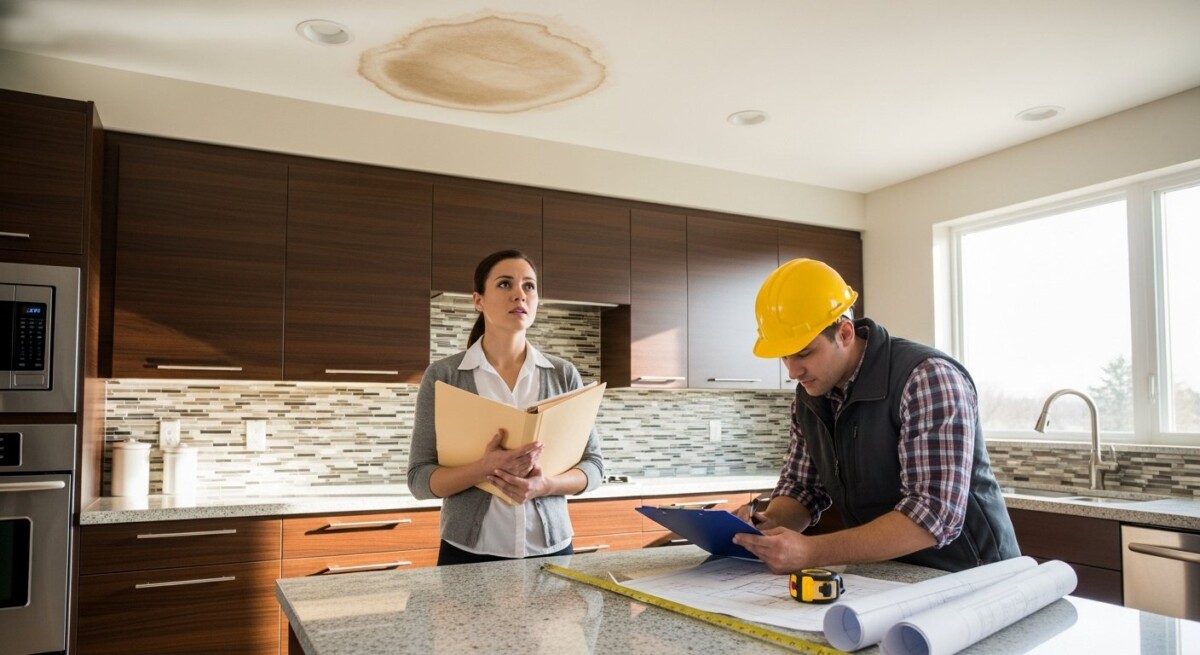
- Comprehensive Consultation & Estimate: They assess your space, discuss your goals, and provide a detailed written estimate that outlines costs for materials, labor, and incidentals.
- Design & Planning: They help finalize selections and create a project plan, identifying potential issues before work begins.
- Contingency Planning: A professional will include a contingency line item (typically 10-20% of the budget) for unforeseen issues, so surprises don’t derail the project.
- Procurement & Scheduling: They order materials and schedule subcontractors (plumbers, electricians, etc.) to ensure a smooth workflow.
- Project Management &: Communication: They oversee daily work, manage problems, and keep you updated, ensuring the project stays on track and on budget.
A professional inspection can reveal hidden issues before they become expensive repairs. Compare contractor quotes here or call to discuss your project.
Warning Signs You Should Not Ignore
Sometimes, the decision to remodel isn’t just about aesthetics,it’s about necessity. Ignoring signs that a space is failing can lead to much costlier emergency repairs down the line. Proactive remodeling is almost always less expensive than reactive fixing.
Pay attention to how your home functions daily. Are you avoiding a bathroom because the layout is awkward or fixtures are failing? Is your kitchen workflow causing constant frustration? These are signs that the space is no longer serving your family’s needs and impacting your quality of life.
Also, consider the age of major components. If your kitchen is 25 years old, it’s likely nearing the end of its functional lifespan for cabinets, appliances, and lighting. Planning a remodel on your schedule is smarter than waiting for a major appliance failure or water leak to force your hand.
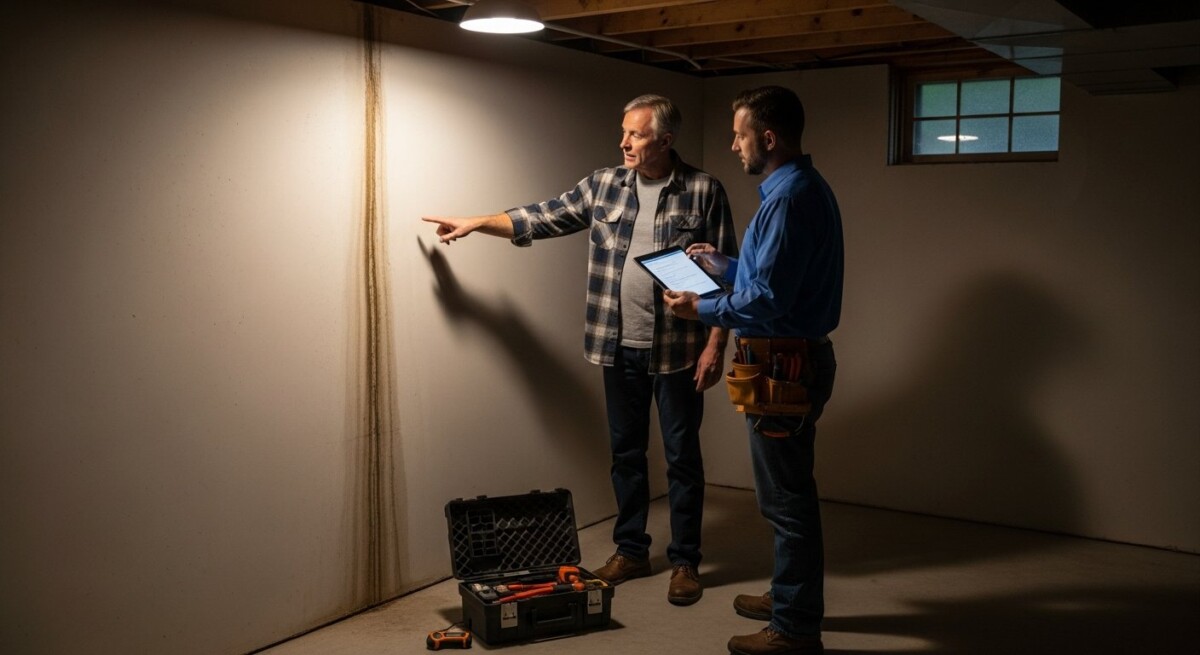
- Persistent Moisture or Mold: In bathrooms or basements, this indicates failed waterproofing or ventilation that needs a comprehensive fix.
- Outdated or Unsafe Systems: Flickering lights (old wiring), poor water pressure (galvanized pipes), or insufficient electrical outlets for modern life.
- Structural Concerns: Sagging floors, cracked walls, or doors that won’t close properly, suggesting settling or foundational shifts.
- Inefficiency: Drafty windows, poor insulation, or an HVAC system that struggles, leading to high energy bills.
- Obvious Wear & Tear: Cracked tiles, peeling laminate, water-stained cabinets, or worn-out flooring that cleaning can’t fix.
What Affects the Cost of Repairs or Installation
Many factors influence your final project cost, and understanding them empowers you to make smart choices. The single biggest factor is scope. Are you doing a cosmetic refresh or a full gut job? Changing the layout by moving plumbing walls or electrical panels adds significant labor and material costs.
Material selections create a huge price range. Stock cabinets from a big-box store cost a fraction of custom-built cabinetry. Similarly, laminate countertops, ceramic tile, and standard fixtures keep costs down, while natural stone, imported tile, and high-end faucets increase them. Your contractor can help you balance dreams with budget.
Other key factors include your home’s age (older homes often have hidden issues), project accessibility (a second-story bathroom is trickier than a first-floor one), and local labor rates. The cost of living in your area directly impacts what contractors charge for skilled work.
Costs can vary depending on the condition of your home. The best way to know the price is to get a personalized estimate. Request free quotes from contractors or call today.
How to Choose the Right Contractor
Your contractor is your partner, so choosing the right one is critical. Start by seeking recommendations from friends, family, or neighbors whose projects you admire. Then, do your homework to ensure they are qualified and trustworthy.
Always interview at least three contractors for your project. This gives you a basis for comparison on price, approach, and communication style. The lowest bid isn’t always the best value; the most detailed and professional proposal often indicates a smoother process.
Pay close attention to how they communicate during the estimate phase. Are they listening to your needs? Are they prompt and professional? This behavior is likely a preview of how they will run your project.
- Verify Licenses & Insurance: Ensure they carry both liability insurance and workers’ compensation. A valid state contractor’s license is non-negotiable.
- Check References & Portfolios: Ask for and contact recent references. Look at photos of completed projects similar to yours.
- Get Detailed, Written Estimates: Compare “apples to apples” proposals that break down costs for materials, labor, and profit. Beware of vague estimates.
- Review the Contract Thoroughly: It should include payment schedule, project timeline, specific materials to be used, and a process for handling change orders.
- Trust Your Instincts: Choose someone you feel comfortable communicating with, as you’ll be working together for weeks or months.
Long-Term Benefits of Professional Work
Investing in a professional remodel pays dividends long after the project is complete. Quality workmanship ensures your new space is durable, safe, and built to last. This means fewer callbacks for repairs and a longer lifespan for your investment, saving you money on future maintenance.
Professional remodeling also enhances your home’s efficiency and value. Upgraded insulation, windows, and energy-efficient appliances lower utility bills. A well-designed, modern kitchen or bathroom significantly increases resale value and appeal, often providing a strong return on investment if you sell. For insights on which projects pay off the most, explore our article on remodeling projects that offer the best ROI.
Finally, there’s the intangible benefit of daily enjoyment and comfort. A space that functions beautifully for your family reduces stress and improves your quality of life. The peace of mind that comes from knowing the job was done correctly, safely, and to code is perhaps the greatest long-term benefit of all.
How much should I budget for a kitchen remodel?
Nationally, a minor kitchen remodel averages $15,000-$30,000, a mid-range major remodel $40,000-$80,000, and an upscale/luxury remodel can exceed $100,000. Your cost depends on size, materials, and whether you change the layout. Always budget an extra 10-20% for unexpected issues.
What is the average cost per square foot for an addition?
Adding new space is typically more expensive than remodeling existing space. Costs range from $150 to $400+ per square foot, depending on finishes, complexity, and your region. This includes foundation, framing, roofing, and all interior finishes, but not land or major landscaping.
Is it cheaper to remodel or build an addition?
Generally, remodeling existing space is more cost-effective than building new. However, if your current layout cannot meet your needs, an addition might be the only solution. A contractor can help you evaluate the best use of your budget to achieve your goals.
How long does a typical bathroom remodel take?
A standard bathroom remodel with a professional crew usually takes 2-4 weeks from demolition to completion. Complex projects involving layout changes, custom tile work, or luxury fixtures can take 6-8 weeks. Good contractors provide a timeline in their contract.
Should I get permits for my remodeling project?
Yes, for almost any project beyond cosmetic updates. Permits ensure work meets safety codes, which protects you and future homeowners. Reputable contractors handle permitting. Unpermitted work can cause problems when you sell your home and may not be covered by insurance.
What’s the difference between an estimate and a quote?
An estimate is an educated guess of the project cost, which can change. A quote (or bid) is a fixed-price offer for the defined scope of work. For accurate budgeting, insist on a detailed, written quote from contractors before signing a contract.
Can I save money by acting as my own general contractor?
While it may seem cheaper, acting as your own GC is risky and time-consuming. You are responsible for scheduling, sourcing materials, and ensuring quality. Mistakes or delays can erase any savings. Professionals have systems and trade relationships that streamline the process.
How do I pay for a major remodeling project?
Common options include cash savings, home equity loans or lines of credit (HELOCs), cash-out mortgage refinancing, or specialized renovation loans like the FHA 203(k). Discuss financing early, as it affects your budget and project timeline.
Understanding average remodeling project costs is the first step toward a successful home improvement journey. It transforms uncertainty into a clear plan, allowing you to make confident decisions that protect your home and your budget. By starting with realistic averages, getting detailed quotes from qualified professionals, and addressing issues early, you can invest in your home’s future with confidence. The best next step is to gather information specific to your home,consider comparing contractor quotes to turn your vision into a well-planned reality.