How Accurate Contractor Estimates Are: A Homeowner’s Guide
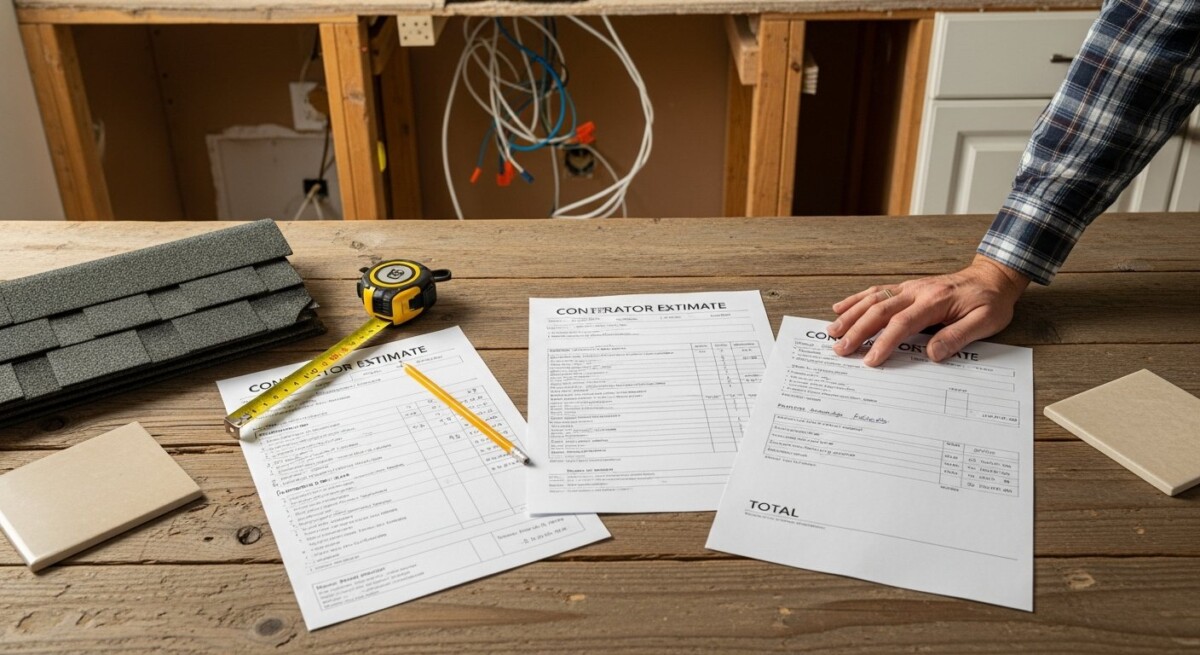
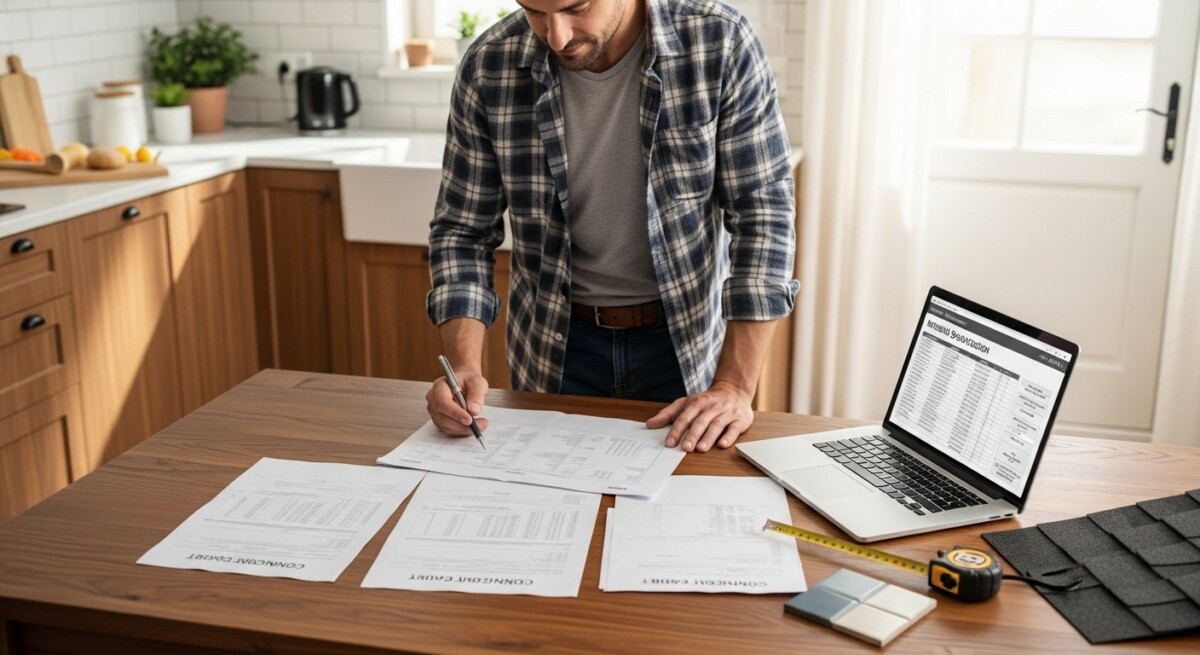
You’ve finally decided to remodel your kitchen, replace the roof, or finish the basement. You invite a few contractors to look at the job, and a few days later, the estimates arrive. One quote is $8,000. Another is $12,000. A third comes in at $15,000. Suddenly, you are left wondering: how accurate contractor estimates are,and which number you can actually trust.
This scenario plays out in thousands of homes every year. Homeowners often discover that estimates vary wildly because each contractor factors in different materials, labor, overhead, and profit margins. Some bids are intentionally low to get a foot in the door, while others are padded to cover unknowns. If you ignore the differences and pick the cheapest option without digging deeper, you risk cost overruns, delays, and subpar work that can cost far more to fix later. Understanding what goes into a reliable estimate is the first step toward protecting your home and your budget.
Understanding How Accurate Contractor Estimates Are
A contractor estimate is a written prediction of what a specific project will cost. It includes labor, materials, permits, and often a margin for unexpected issues. Accuracy depends on how thoroughly the contractor inspects your home, the clarity of your project scope, and the contractor’s experience with similar jobs.
Estimates become less accurate when the scope is vague or when hidden problems exist behind walls, under floors, or inside mechanical systems. Homes built before 1980, for example, often have outdated wiring, asbestos, or rot that only appears after demolition begins. In those cases, even a detailed estimate may change once work starts.
Homes with complex layouts, multiple stories, or difficult access points also see greater variation in estimates. A good contractor will explain which parts of the quote are firm and which are conditional. That transparency is the foundation of trust. For a deeper look at what makes an estimate reliable, you can read our guide on essential documents for an accurate contractor estimate.
Why This Matters for Your Home
Choosing the wrong estimate,or ignoring the accuracy question entirely,can lead to real consequences. If a contractor underestimates the job, they may cut corners to stay within budget, use cheaper materials, or abandon the project partway through. You end up paying more to fix mistakes or hire a replacement.
Safety is another concern. An estimate that skimps on materials like fire-rated drywall, proper flashing, or load-bearing supports can create structural or fire hazards. Your home’s value also takes a hit when shoddy work is discovered during a future home inspection.
Delaying a project because you can’t decide which estimate to trust often makes things worse. A small leak turns into mold. An outdated electrical panel becomes a fire risk. The longer you wait, the more expensive the repair becomes. Getting a clear, accurate estimate early gives you control over the timeline and the budget.
If you notice signs of this issue in your home, it may help to speak with a qualified contractor. Request a free quote or call to explore your repair or remodeling options.
Common Problems Homeowners Experience
Many homeowners discover the truth about estimate accuracy only after the project begins. A contractor who gave a low bid suddenly asks for more money because they found rot in the subfloor or outdated plumbing. Others realize too late that the estimate didn’t include disposal fees, permit costs, or upgraded fixtures.
These problems often appear in real homes as budget overruns, timeline extensions, or unfinished projects. Homeowners feel stuck,either pay more or accept incomplete work. The root cause is almost always a lack of detail in the original estimate.
Here are some of the most common issues homeowners face when relying on inaccurate contractor estimates:
- Scope creep: The contractor adds work that wasn’t in the original estimate, increasing the final bill by 20,50%.
- Lowball bids: A very low estimate that later balloons as “unforeseen” issues are discovered.
- Missing line items: Estimates that omit permits, dumpster fees, or material delivery charges.
- Vague material specs: “Cabinets” or “flooring” without brand, grade, or size details make comparison impossible.
- Verbal promises: Changes agreed to verbally but never written into the estimate lead to disputes later.
- No timeline: An estimate without start and completion dates leaves you vulnerable to delays.
How Professionals Solve the Problem
Experienced contractors solve the accuracy problem by following a systematic process. They start with a thorough inspection of your home, checking the areas that will be affected and adjacent spaces where hidden issues may lurk. They ask detailed questions about your preferences,material choices, design style, timeline,so nothing is left to assumption.
Once they have a clear picture, they create a line-item estimate that breaks down every cost: materials, labor, permits, disposal, and contingency. This transparency allows you to compare bids on an apples-to-apples basis. Professional contractors also explain which parts of the estimate are fixed and which are estimates subject to change.
The typical process looks like this:
- On-site inspection: The contractor walks through your home, takes measurements, and photographs existing conditions.
- Scope discussion: You and the contractor agree on exactly what will be done, including materials, finishes, and timeline.
- Written estimate: A detailed document is provided, listing each task, material, and cost.
- Review and revision: You ask questions, request clarifications, and negotiate changes before signing.
- Contract signing: A binding agreement is signed, locking in the scope and price (with a clear change-order process).
Professional work is safer and more reliable than DIY because contractors carry insurance, follow building codes, and have experience handling unexpected problems. They also warranty their work, giving you peace of mind long after the job is done. To see how estimates work in your area, check out our page on contractor estimates Chicago Illinois for region-specific insights.
A professional inspection can reveal hidden issues before they become expensive repairs. Compare contractor quotes here or call to discuss your project.
Warning Signs You Should Not Ignore
Recognizing early warning signs can save you thousands of dollars and months of stress. If you catch problems before they escalate, you can address them with a reliable contractor who provides an accurate estimate. Ignoring these signs often leads to emergency repairs, which cost 2,3 times more than planned work.
Pay attention to subtle clues that your home may need professional attention. Even if you aren’t ready to start a full remodel, a free inspection can give you a clear picture of what’s ahead.
- Water stains on ceilings or walls , Often indicate a roof leak or plumbing issue that will worsen over time.
- Cracks in drywall or foundation , Could be settling or structural movement that needs evaluation.
- Doors that stick or won’t close properly , May signal foundation shifts or moisture damage.
- Musty odors or visible mold , Signs of moisture intrusion that require remediation before remodeling.
- High energy bills , Often tied to poor insulation, outdated windows, or HVAC inefficiencies.
- Outdated electrical panels or frequent breaker trips , Fire hazards that should be addressed immediately.
What Affects the Cost of Repairs or Installation
Several factors influence how much a home repair or remodeling project will cost. Understanding these variables helps you evaluate whether an estimate is realistic and fair. The size of the project is the most obvious factor, but materials, labor, and site conditions play equally important roles.
For example, a bathroom remodel in a first-floor powder room costs less than the same remodel on a third floor with no elevator. Accessibility matters. Similarly, using custom tile and premium fixtures will drive up material costs compared to stock options. Labor rates vary by region and by trade,licensed electricians and plumbers charge more than general laborers.
The age of your home also affects cost. Older homes often require upgrades to meet current building codes, such as bringing electrical panels up to code or adding structural reinforcement. These hidden costs are why accurate initial estimates are so important. To learn more about how to get reliable numbers, read our guide on how to get accurate contractor estimates for your home project.
Costs can vary depending on the condition of your home. The best way to know the price is to get a personalized estimate. Request free quotes from contractors or call today.
How to Choose the Right Contractor
Selecting a contractor is about more than picking the lowest price. You want someone who communicates clearly, provides detailed estimates, and has a track record of finishing projects on time and on budget. Doing a little homework upfront can save you from headaches later.
Start by asking for recommendations from neighbors or friends who have had similar work done. Then, interview at least three contractors. Pay attention to how they answer your questions,do they explain the estimate in detail? Do they offer references? Are they responsive and professional?
Here are practical tips for choosing the right contractor:
- Verify licensing and insurance: Check that the contractor holds current liability and workers’ compensation insurance.
- Read online reviews: Look for patterns,positive feedback about communication and quality, negative feedback about overruns or poor workmanship.
- Ask for detailed estimates: Insist on line-item breakdowns so you can compare bids fairly.
- Get multiple quotes: Three estimates give you a realistic range and help you spot outliers.
- Confirm experience: Ask how many similar projects they’ve completed and request photos or references.
Long-Term Benefits of Professional Work
Investing in professional repairs or remodeling pays off for years to come. When work is done correctly the first time, you avoid repeat repairs, lower your energy bills, and increase your home’s resale value. A well-executed project also improves safety and comfort for your family.
Professional contractors use high-quality materials and follow manufacturer specifications. That means your new roof, flooring, or bathroom will last its full expected lifespan. They also pull the required permits, ensuring the work meets local building codes,a critical factor when you eventually sell your home.
Finally, professional work reduces future maintenance. A properly sealed deck, correctly installed siding, or well-ventilated attic will require fewer repairs over time. The upfront cost of an accurate, professional estimate is an investment in your home’s long-term health and value.
How do I know if a contractor estimate is accurate?
An accurate estimate includes a detailed scope of work, line-item costs for materials and labor, and a clear timeline. Check that it mentions permit fees, disposal costs, and a contingency for unexpected issues. Compare three estimates from different contractors to see if they align on major cost categories.
Why do contractor estimates vary so much?
Estimates vary because contractors use different material grades, labor rates, overhead percentages, and profit margins. Some contractors also include a larger contingency for unknowns, while others assume no hidden problems. The key is to compare the details, not just the bottom line.
Should I always choose the lowest contractor estimate?
No. A very low estimate often means the contractor cut corners on materials, omitted necessary work, or plans to ask for more money later. It is safer to choose a mid-range estimate from a contractor with good reviews and a detailed scope of work.
What should I do if a contractor’s estimate is much higher than others?
Ask the contractor to explain why their estimate is higher. They may have included premium materials, more labor hours, or a larger contingency. If the explanation is reasonable, their estimate may be the most realistic. If not, you can rule them out.
Can I negotiate a contractor estimate?
Yes, you can discuss the estimate with the contractor. Ask if there are ways to reduce costs, such as using different materials or simplifying the design. However, be cautious about cutting too much,quality work requires fair compensation.
What is a reasonable contingency in a contractor estimate?
A contingency of 10,20% of the total project cost is standard. This covers unexpected issues like hidden water damage, faulty wiring, or structural repairs. A higher contingency is common for older homes or projects that involve demolition.
How long is a contractor estimate valid?
Most estimates are valid for 30 to 90 days, depending on material availability and market conditions. Ask the contractor for the expiration date. If you wait too long, material prices may change, and the estimate may need to be updated.
Do I need a written contract after the estimate?
Yes. A written contract protects you and the contractor. It should include the agreed-upon scope, timeline, payment schedule, and change-order process. Never start work based on a verbal estimate or a handshake deal.
Understanding how accurate contractor estimates are is essential for protecting your home, your budget, and your peace of mind. By learning what goes into a reliable estimate, recognizing warning signs early, and comparing multiple quotes, you can make confident decisions about your home improvement projects. Don’t let uncertainty delay necessary repairs or upgrades. Compare contractor quotes today or call to get started on the right foot.