Complete Guide to Home Repair After Water Damage
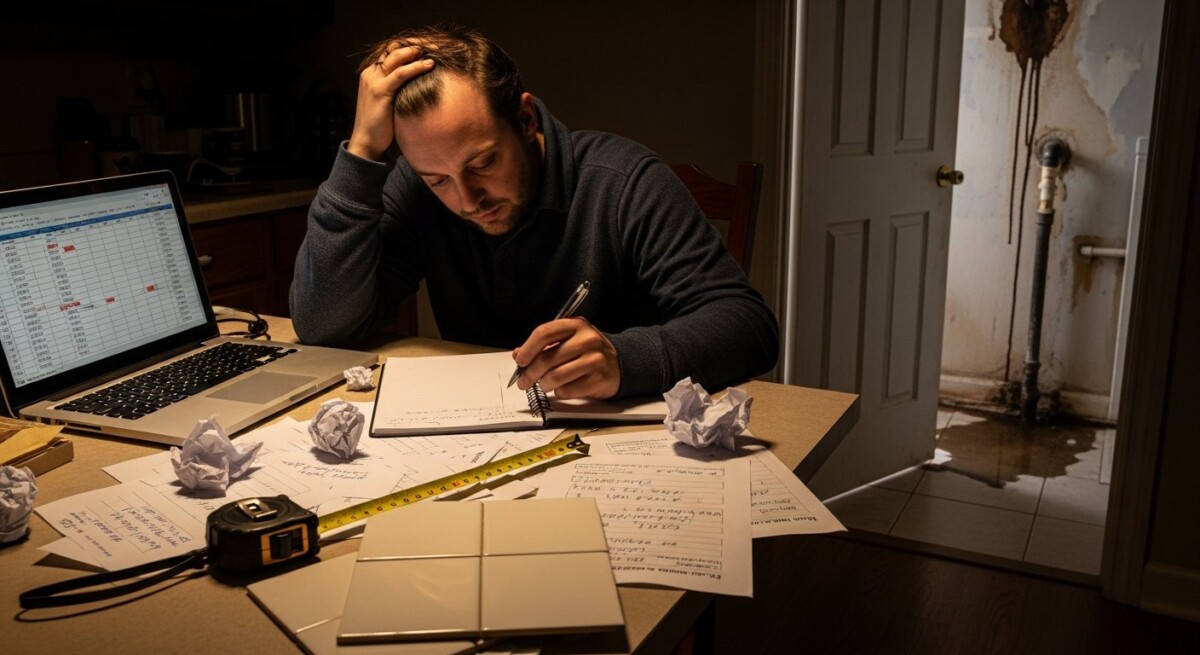
Water damage in your home is more than just a mess. From a burst pipe to a leaking roof, the immediate cleanup is only the first step. The real challenge often lies beneath the surface, where moisture can hide, leading to mold, rot, and structural problems that threaten your home’s safety and your family’s health. That’s why professional home repair services after water damage are essential—they don’t just dry things out; they restore your home to a safe, stable, and beautiful condition.
Protect your home and health from hidden damage. Visit Restore Your Home to schedule a free professional assessment and complete restoration.
Understanding Home Repair After Water Damage
Home repair services after water damage encompass all the skilled work needed to fully restore your property once the water is removed. It’s the crucial phase that comes after emergency water extraction and drying. While drying companies focus on removing moisture, repair contractors rebuild what was damaged.
This process involves assessing structural integrity, replacing ruined materials, and ensuring your home is not just dry, but completely restored. It transforms a damp, damaged space back into a secure and livable part of your home. Think of it as the comprehensive healing process for your house after a traumatic event.
The Difference Between Drying and Repairing
It’s vital to understand that water mitigation (drying) and restoration (repair) are two distinct stages. Drying stops the immediate damage from spreading, while repairing fixes the consequences. Skipping professional repairs after drying is like putting a bandage on a deep wound without stitches—the underlying problem remains.
Why It Matters for Homeowners
Ignoring the need for thorough repairs can have serious consequences for your biggest investment. Hidden moisture left behind can lead to toxic mold growth within 24-48 hours, posing significant health risks like allergies and respiratory issues. Structurally, wooden beams and floor joists can weaken over time, compromising your home’s stability.
Beyond safety, proper repairs protect your home’s value. Unfinished repairs from water damage are a major red flag for home inspectors and can drastically reduce your property’s resale value. By investing in professional restoration, you ensure your home is safe, healthy, and maintains its market worth. It’s not just a repair; it’s an investment in your family’s well-being and your financial future.
For a broader look at protecting your investment, our guide to home improvement services that save money long-term covers related strategies.
Don’t let hidden damage compromise your home. Our expert team is ready to restore your space safely and completely. Contact us for a free assessment
Common Issues and Their Causes
Water damage rarely results in just one problem. It creates a chain reaction of issues that professionals are trained to identify and resolve. The source of the water often dictates the type and extent of the damage you’ll face.
- Structural Wood Rot: Caused by prolonged exposure to moisture, especially from slow leaks behind walls or under floors.
- Mold and Mildew Growth: Thrives in damp, dark areas with organic materials (like drywall or wood) that weren’t thoroughly dried.
- Damaged Drywall and Insulation: These porous materials act like sponges, losing integrity and harboring moisture.
- Warped Hardwood Floors: Cupping, buckling, and crowning occur when wood absorbs water unevenly.
- Electrical Hazards: Water can corrode wiring and compromise electrical systems, creating a fire risk.
These problems typically stem from common household events: burst or leaking pipes, appliance failures (water heaters, washing machines), roof leaks during heavy storms, basement flooding, or even overflow from sinks and tubs. Proper diagnosis of the cause is the first step in any effective repair plan.
How Professionals Fix the Problem
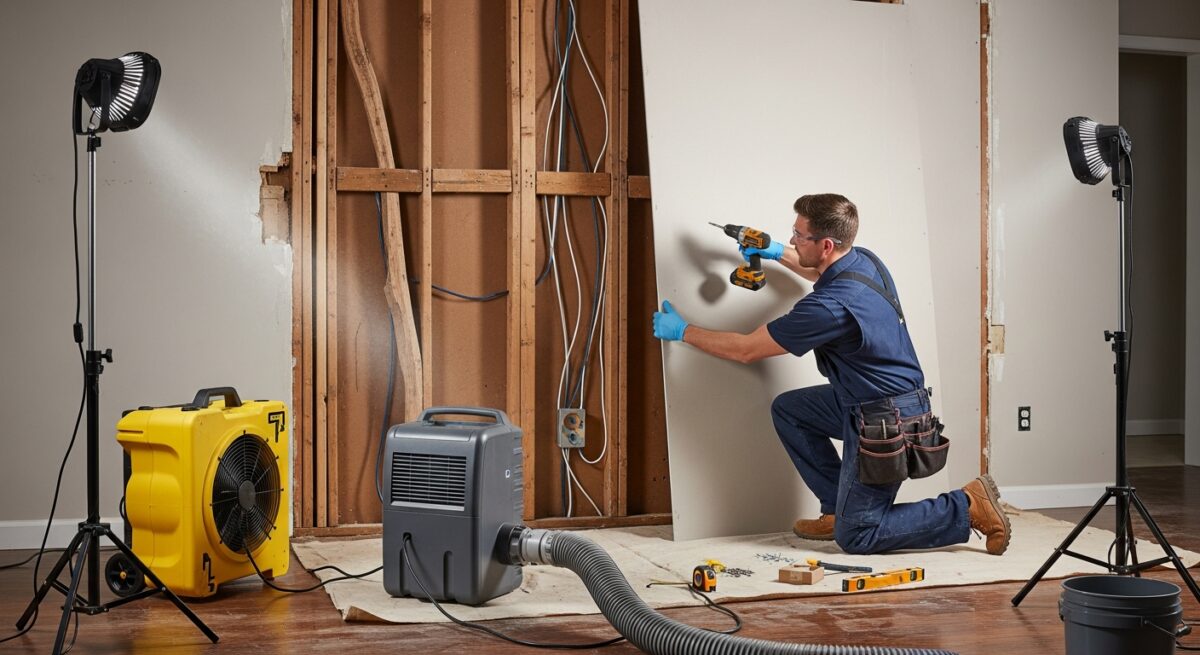
A professional repair process is methodical and thorough, ensuring no damage is overlooked. It begins with a detailed assessment, using moisture meters and thermal imaging to find hidden water that isn’t visible to the naked eye. This creates a complete roadmap for restoration.
The actual repair work follows a logical sequence. First, all unsalvageable, water-logged materials are safely removed—this includes soggy drywall, soaked insulation, and ruined flooring. Any remaining structures are then treated with antimicrobial solutions to prevent mold. Next comes the careful reconstruction: installing new drywall, laying new subflooring and flooring, repainting, and reinstalling trim. Finally, a quality check ensures everything is rebuilt to standard and your home is restored to its pre-damage condition.
Signs You Should Not Ignore
Sometimes, water damage isn’t obvious from a major flood. Lingering issues can show up subtly long after the initial incident. Knowing these warning signs can help you catch problems early before they escalate into costly repairs.
Protect your home and health from hidden damage. Visit Restore Your Home to schedule a free professional assessment and complete restoration.
- Persistent Musty Odors: A telltale sign of mold or mildew growing out of sight.
- Discoloration or Stains: Yellowish or dark streaks on walls or ceilings indicate past or present moisture.
- Warping or Bubbling: Paint or wallpaper that bubbles, or floors/doors that warp and no longer sit flat.
- Soft Spots: Floors or walls that feel soft or spongy when pressed.
- Unexplained Increase in Humidity: A constantly muggy feeling in a room can signal trapped moisture.
If you notice any of these signs, it’s crucial to act quickly. Delaying can allow mold to spread and structural damage to worsen. A professional assessment is the best way to get peace of mind and a clear plan of action. For help finding a reliable pro, learn more about what makes a home contractor trustworthy in our detailed breakdown.
Cost Factors and What Affects Pricing
The cost of water damage repair varies widely because every situation is unique. Understanding what influences the price helps homeowners plan and avoid surprises. The primary factor is the extent and category of the water damage. Clean water from a broken supply line is less costly to repair than contaminated greywater (from appliances) or blackwater (from sewage or flooding), which require extensive safety measures.
The size of the affected area and the types of materials damaged are also key. Repairing a section of drywall and carpet is far less expensive than restoring hardwood floors, custom cabinets, or historical building materials. Finally, accessibility plays a role. Damage hidden behind finished walls or under a concrete slab requires more labor and specialized equipment to address, which affects the overall cost. A reputable contractor will provide a transparent, itemized estimate after their initial inspection.
How To Choose the Right Professional or Service
Selecting the right contractor for water damage repairs is critical. Look for a company that specializes in restoration, not just general handyman work. They should be licensed, insured, and certified by a recognized industry body like the IICRC (Institute of Inspection, Cleaning and Restoration Certification). This ensures they follow the highest standards for water damage restoration.
Always ask for references and read online reviews to gauge their reputation for quality and reliability. A trustworthy professional will offer a detailed written scope of work and warranty their labor. They should communicate clearly, answer all your questions, and make you feel confident in their ability to restore your home. Don’t hesitate to ask about their process and timeline—a professional will be happy to explain.
Long-Term Benefits for Your Home
Investing in professional repair after water damage delivers lasting value. First and foremost, it ensures safety, eliminating mold spores and structural weaknesses that could harm your family. It also preserves your home’s structural integrity, preventing small issues from becoming major, destabilizing problems down the road.
Furthermore, proper restoration protects your financial investment by maintaining your property’s value and preventing depreciating damage. It improves air quality by removing mold and mildew sources. Finally, it gives you peace of mind, knowing your home is truly restored and secure for the long haul, allowing you to enjoy your space without worry.
Frequently Asked Questions
Does homeowners insurance cover water damage repair?
It depends on the source of the water. Most policies cover sudden, accidental events like a burst pipe. They typically do not cover damage from lack of maintenance or gradual leaks. Always contact your insurance provider immediately after damage occurs and document everything.
How long does the repair process usually take?
The timeline varies with the damage extent. Simple repairs in a single room may take a few days. Extensive damage affecting multiple rooms or structural elements can take several weeks. Your contractor should provide a projected schedule after their assessment.
Can I stay in my home during the repairs?
In many cases, yes, especially if damage is isolated. However, if there is significant mold, asbestos disturbance, or loss of essential utilities like water or electricity, temporary relocation may be necessary for safety and to allow work to proceed efficiently.
Will my repaired area look exactly the same as before?
A skilled restoration contractor aims to match the existing aesthetics of your home. This includes blending new paint, matching flooring, and aligning textures. The goal is a seamless repair where you cannot tell damage occurred.
How can I prevent water damage in the future?
Regular maintenance is key. Inspect plumbing appliances, hose connections, and roofing annually. Ensure your gutters are clean and downspouts direct water away from your foundation. Consider installing water leak detectors or an automatic shut-off system for major appliances.
What’s the biggest mistake homeowners make after water damage?
The biggest mistake is assuming everything is dry once surfaces look dry. Moisture gets trapped inside walls and under floors. Without professional drying and dehumidification, this leads to mold and rot weeks or months later, causing more damage than the original leak.
Facing water damage can feel overwhelming, but with the right knowledge and professional help, your home can be fully restored. By understanding the process, from initial drying to final repairs, you can make informed decisions that protect your home’s value and your family’s health. Taking prompt, thorough action with a trusted restoration specialist is the best way to turn a stressful situation into a solved problem, giving you back your safe and comfortable home.
Protect your home and health from hidden damage. Visit Restore Your Home to schedule a free professional assessment and complete restoration.