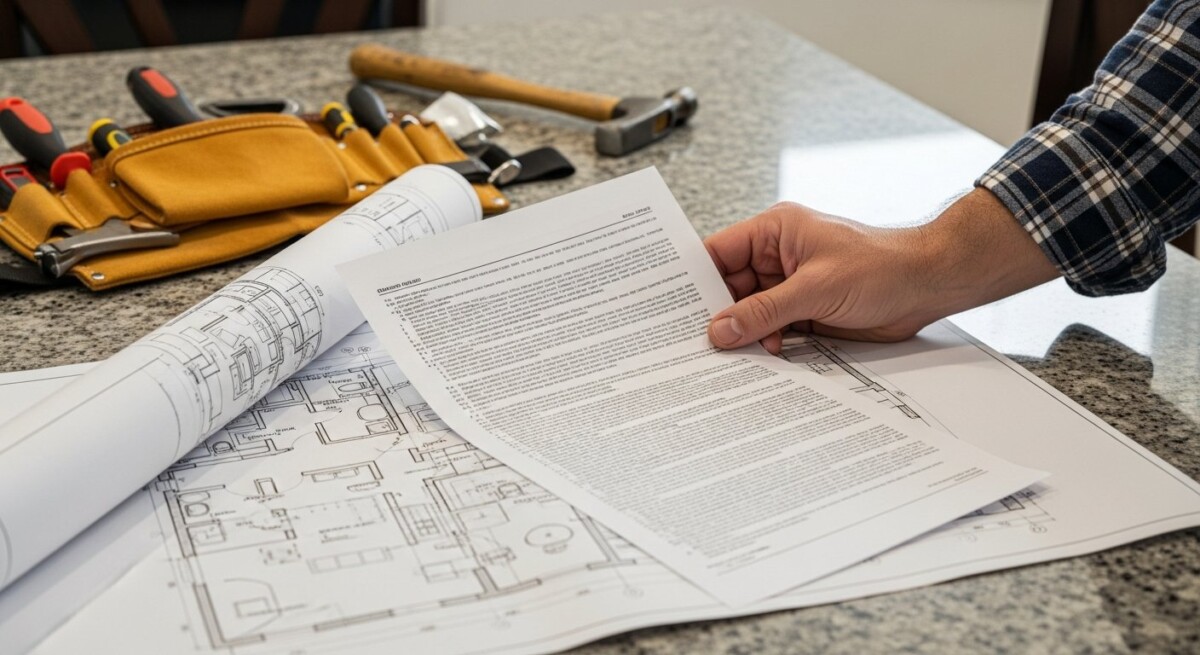
Contractor Availability and Scheduling Explained for Homeowners

You finally decide to tackle that home repair or renovation project. You have the vision, you’ve saved the budget, and you’re ready to go. But then you hit the first major hurdle: finding a reliable contractor who can actually start the work when you need it. Understanding why schedules fill up so fast and how to navigate this process is the key to turning your project from a frustrating dream into a successful reality.
Visit Schedule Your Consultation to connect with a reliable contractor and get a realistic timeline for your project.
A Simple Breakdown of Contractor Availability and Scheduling
At its core, contractor availability and scheduling is about aligning your project’s timeline with a professional’s capacity, workload, and logistics. It’s the process of finding a window where your needs, their skills, and the necessary materials all converge.
Many homeowners don’t realize that a contractor’s schedule is a complex puzzle. It’s not just about blocking off days. It involves coordinating material deliveries, subcontractors (like electricians or plumbers), permit inspections, and travel between multiple job sites. A good schedule is a carefully managed plan that ensures every project gets the focused attention it deserves.
The Difference Between Availability and Scheduling
It’s helpful to think of these as two related but separate concepts. Availability is the general timeframe a contractor has open for new projects. Scheduling is the detailed day-by-day plan for your specific job once it’s booked. A contractor might be available to start new work in six weeks, but the actual scheduling of tasks within your project requires meticulous planning.
Why It Matters for Homeowners
Getting the scheduling right is about more than just convenience. A realistic and well-managed timeline protects your investment, your home, and your peace of mind. When a schedule is rushed or poorly planned, it’s a recipe for mistakes, cut corners, and unexpected delays that can double the stress of any project.
Conversely, a contractor who respects the scheduling process demonstrates professionalism and reliability. It shows they value their own time and, more importantly, yours. A clear schedule sets proper expectations from the start, allowing you to plan your life around the project with confidence instead of constant uncertainty.
Ready to find a contractor with a clear, professional schedule for your project? Contact our network of trusted home contractors near you
Common Issues and Their Causes
So why is it so hard to find a good contractor with open availability? The challenges are often rooted in industry dynamics and high demand.
Skilled tradespeople are in short supply, meaning the best contractors are constantly booked. Seasonal surges, like everyone wanting a new roof before winter or a remodel in the spring, create booking crunches. Furthermore, unforeseen issues on existing projects—like discovering hidden water damage—can ripple through a schedule, pushing back start dates for new clients.
- The “Ghosting” Contractor: They give a start date, then disappear or constantly push it back with vague excuses.
- The Overbooked Pro: They try to juggle too many jobs at once, leading to rushed work and spotty presence on your site.
- The Unrealistic Optimist: They provide an overly ambitious timeline to win the job, setting everyone up for disappointment.
- The Material Delay Domino Effect: A single back-ordered cabinet or appliance can halt an entire project phase.
How Professionals Fix the Problem
Reputable contractors manage availability and scheduling with systems and transparency. They start with a thorough consultation to accurately scope your project. This allows them to provide a realistic timeline, not just a hopeful guess.
They use dedicated project management tools to track tasks, dependencies, and deadlines. They also build buffer time into schedules for the inevitable hiccups, ensuring a two-day delay doesn’t derail the entire plan. Crucially, they communicate proactively. If a delay occurs, you hear about it immediately with a new plan, not radio silence.
- Initial Consultation & Detailed Estimate: Defining the project scope is the first step to an accurate schedule.
- Booking & Pre-Start Planning: Securing your spot and ordering long-lead materials early.
- Phased Execution & Communication: Working through the project in clear stages with regular updates.
For a deeper look at what separates the pros from the rest, our article on what makes a home contractor trustworthy covers the essential traits to look for.
Signs You Should Not Ignore
Some red flags during the scheduling phase can warn you of bigger problems ahead. Pay close attention to how a contractor handles time before you even sign a contract.
Be wary of anyone who can start a major project “tomorrow.” This often means they are desperate for work, which is not a hallmark of a successful, in-demand professional. Similarly, a complete refusal to provide a written timeline or a contract with vague phrases like “work to be completed in a timely manner” leaves you with no recourse for delays.
- They are consistently late or miss consultation appointments.
- They pressure you to decide immediately with a “this price is only good today” tactic.
- They cannot provide references from recent clients you can contact.
- They ask for a large down payment (more than 10-15%) before any materials are delivered.
Cost Factors and What Affects Pricing
Your project’s timeline directly impacts its cost. A contractor’s availability premium, or how quickly you need the work done, is a major factor. Needing an emergency repair or a rushed project completion will almost always cost more than a job scheduled well in advance.
Visit Schedule Your Consultation to connect with a reliable contractor and get a realistic timeline for your project.
The project’s complexity and duration are also key. A simple, one-day drywall repair is easier to slot in than a multi-week kitchen remodel that requires a dedicated crew. Time of year matters, too; scheduling an outdoor project in the peak season may cost more than scheduling it for the off-season. It’s important to understand these variables, much like knowing how location can affect contractor budgets in different regions.
How To Choose the Right Professional or Service
Your strategy for finding an available contractor should focus on planning and vetting. Start your search early—ideally months before you hope to begin work. Get multiple detailed estimates that include a projected schedule, not just a bottom-line price.
Ask direct questions: “What is your current lead time for a project like this?” and “How do you communicate schedule changes?” Verify their license and insurance, and read recent online reviews specifically mentioning timeliness and communication. Choosing between a local expert and a big national company is also a factor; you can explore the pros and cons in our guide on local contractors vs national companies.
Long-Term Benefits for Your Home
Investing the time to secure a well-scheduled contractor pays dividends long after the project is complete. Work done correctly, without rush, is more durable and of higher quality. This means fewer callbacks for repairs and a longer lifespan for your renovation.
Proper scheduling also minimizes the disruption to your daily life. Knowing exactly when the noisy demolition phase will happen or when you’ll be without a kitchen allows you to plan accordingly, reducing household stress. Ultimately, a smooth process led by a professional who values scheduling builds a foundation of trust, making you feel confident in calling them for future maintenance or projects.
Frequently Asked Questions
How far in advance should I book a contractor?
For major renovations like kitchens or bathrooms, aim for 3-6 months in advance. For smaller repairs or handyman tasks, 2-4 weeks is typical. Always book as soon as your plans are firm.
Why do contractors give such wide time windows?
Windows like “sometime in the morning” account for travel from a previous job, last-minute material pickups, or unforeseen delays. It’s a practical way to manage a day with multiple moving parts.
Is it cheaper to schedule work in the winter?
Often, yes. For indoor projects, winter can be an off-peak season for many trades. Contractors may have more availability and could offer better pricing to keep their crews busy.
What should a contract say about the schedule?
A good contract includes a projected start date, an estimated completion date, and a clause outlining how delays (like weather or back-ordered materials) will be communicated and handled.
Can I speed up my project by ordering materials myself?
This is generally not advised. Contractors often get trade discounts and know exact specifications. If you order, you assume responsibility for incorrect items, delays, and damage, which can slow the project down.
What if my contractor is constantly delayed?
First, communicate directly. If delays are excessive and unexplained, review your contract’s cancellation terms. Consistent failure to meet schedule milestones may be grounds to terminate the agreement.
Do contractors work on weekends?
Some do, often for emergency repairs or at a premium rate. Most standard renovation work occurs on weekdays. Always discuss weekend work expectations and costs upfront.
How do I prepare my home for the contractor’s schedule?
Clear the work area completely, protect any belongings with dust covers, secure pets, and ensure clear access to bathrooms and electrical panels. This helps the crew work efficiently and stay on schedule.
Mastering the art of contractor scheduling transforms a common point of homeowner frustration into a manageable, predictable process. By understanding the why behind the wait and choosing a professional who prioritizes clear communication and realistic planning, you set your project—and your home—up for lasting success.
Visit Schedule Your Consultation to connect with a reliable contractor and get a realistic timeline for your project.