Your Guide to Expert Roofing and Siding Contractors
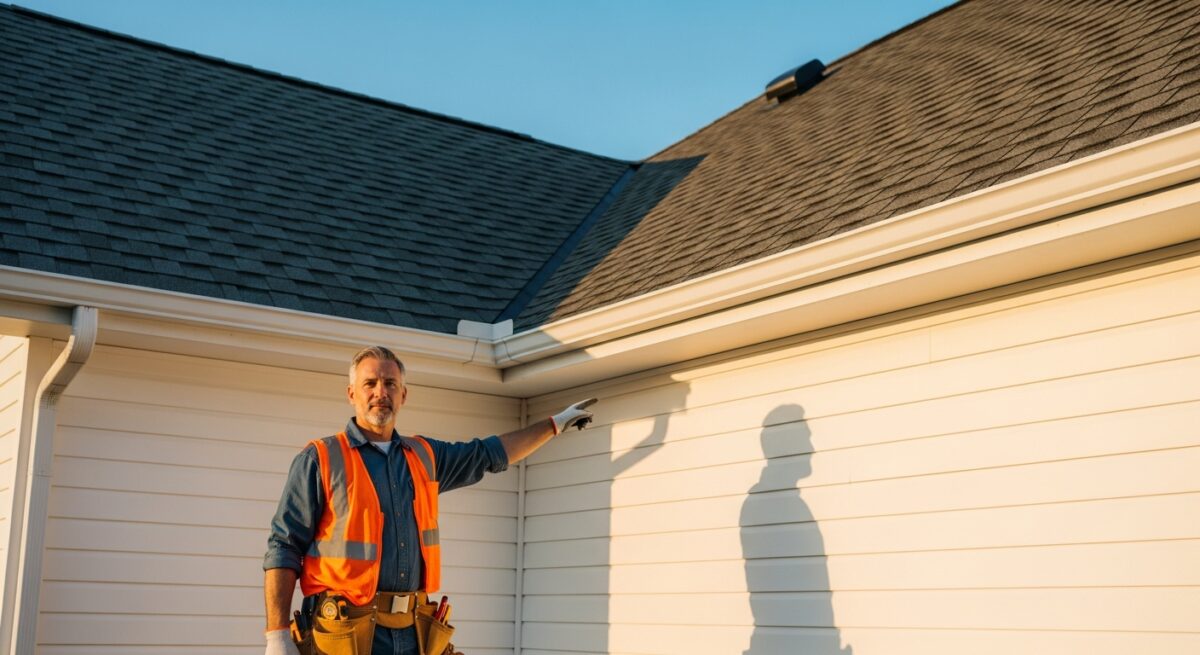
Your home’s roof and siding are its first line of defense. They work together 24/7 to shield your family and belongings from rain, wind, sun, and cold. When either one fails, it’s more than just an eyesore—it can lead to costly water damage, energy loss, and headaches you don’t need. Understanding how roofing and siding contractors for exterior protection work can save you money and give you peace of mind.
Protect your home’s integrity and value—visit Get a Free Quote to consult with a vetted exterior specialist today.
A Simple Breakdown of Roofing and Siding Contractors for Exterior Protection
Roofing and siding contractors are specialized professionals who install, repair, and maintain the two most critical protective layers of your home. They are experts in materials, building codes, and installation techniques designed to withstand your local climate.
Think of them as your home’s armorers. A roofing contractor focuses on everything from the decking up: shingles, tiles, flashing, and underlayment. A siding contractor specializes in the vertical cladding: vinyl, fiber cement, wood, or metal. Many reputable firms offer both services, providing a coordinated approach to your home’s entire weather-resistant shell.
The Importance of Integrated Protection
Your roof and siding must work as a single system. Proper installation ensures they overlap and seal correctly at critical junctions like eaves, rakes, and corners. A contractor who handles both can guarantee this integration, preventing gaps where water can sneak in.
Why It Matters for Homeowners
Investing in quality roofing and siding work is one of the most impactful things you can do for your home. It’s not just about curb appeal; it’s about creating a durable, efficient, and safe living environment. A well-protected exterior maintains your home’s structural integrity and value.
Ignoring small issues can lead to massive problems. A single missing shingle or a cracked piece of siding can allow water to penetrate sheathing, rot wood framing, and foster toxic mold growth. The cost of fixing this interior damage far exceeds the cost of prompt exterior repair. Proactive protection is always more affordable than reactive repair.
Ready to protect your biggest investment? A quick consultation with a trusted pro can give you clarity. Talk to a vetted exterior specialist near you.
Common Issues and Their Causes
Most exterior problems develop slowly over time. Regular seasonal changes wear down even the best materials. Common roofing issues include curled or missing shingles, damaged flashing around chimneys and vents, and clogged or failing gutters.
For siding, typical problems involve cracks, warping, loose panels, and faded or chalking paint. Moisture is often the root cause, whether it’s driven rain, ice dams, or persistent condensation from inside the home. Poor initial installation is another frequent culprit, which is why choosing the right contractor is so crucial. For insights on selecting a reliable pro, see our article on what makes a home contractor trustworthy.
- Weathering: Sun, wind, and temperature extremes degrade materials.
- Water Intrusion: Improper sealing or damage lets water behind the surface.
- Impact Damage: Hail, falling branches, or accidental hits.
- Settling: As your home naturally settles, stress points can appear.
How Professionals Fix the Problem
A professional contractor starts with a thorough inspection. They will assess the condition of your roof and siding, looking for visible damage and subtle signs of failure. They’ll check your attic for proper ventilation and insulation, as these directly impact the lifespan of your roof.
For repairs, they follow a systematic approach: removing damaged materials, preparing the underlying surface, and installing new components with precision. For a full replacement, the process involves complete removal of old materials, repair of any damaged roof decking or wall sheathing, and installation of new underlayment and exterior products according to manufacturer specifications.
- Inspection & Quote: Detailed assessment and a clear, written estimate.
- Preparation: Protecting your property, setting up safety equipment, and removing old materials.
- Installation: Precision work installing new roofing or siding with proper flashing and seals.
- Cleanup & Final Walkthrough: Leaving your property spotless and ensuring your complete satisfaction.
Don’t let a small leak become a major disaster. Professional repairs restore safety and prevent costlier damage. Connect with a reliable local contractor now.
Signs You Should Not Ignore
Your home often gives you clear warnings before a major failure. On the inside, look for water stains on ceilings or walls, peeling paint near the roofline, or a sudden spike in your energy bills, which can indicate poor thermal protection.
Outside, take a walk around your home each season. Look for granules from asphalt shingles in your gutters, shingles that are buckling or missing, or siding panels that are cracked, soft, or pulling away from the house. In your attic after a rain, check for daylight peeking through the roof boards or signs of moisture.
- Water stains or drips inside your home.
- Excessive granules in gutters (looks like coarse sand).
- Curled, cracked, or missing shingles or siding pieces.
- Moss or algae growth, which can trap moisture.
- Sagging roof lines or siding sections.
Cost Factors and What Affects Pricing
The cost of roofing and siding work depends on several key factors. The size and slope of your roof or the square footage of your siding are the primary drivers. Steeper roofs or homes with complex designs (many dormers, valleys) require more labor and safety precautions.
Protect your home’s integrity and value—visit Get a Free Quote to consult with a vetted exterior specialist today.
Material choice is another major factor. Asphalt shingles are a common budget-friendly option, while metal roofing, slate, or premium composite siding cost more but offer longer lifespans and enhanced durability. Finally, your geographic location and the current cost of labor and materials in your area will influence the final price. For a broader look at managing project costs, our guide on affordable home contractors offers useful perspective.
Get a clear, detailed estimate tailored to your home. Understanding the investment is the first step toward smart protection. Request your free, no-obligation quote today
How To Choose the Right Professional or Service
Selecting the right contractor is as important as choosing the right materials. Always verify that the contractor is properly licensed and insured for roofing and siding work in your state. This protects you from liability and ensures they meet local building standards.
Ask for references from recent projects and, if possible, drive by to see their finished work. Read online reviews and check their rating with the Better Business Bureau. A trustworthy contractor will provide a detailed, written contract that outlines the scope of work, materials to be used, warranty information, payment schedule, and timeline.
- Check for proper licensing and insurance.
- Read reviews and ask for local references.
- Get multiple detailed, written estimates.
- Ensure they offer strong manufacturer and workmanship warranties.
Long-Term Benefits for Your Home
Quality roofing and siding work pays dividends for decades. The most immediate benefit is peace of mind, knowing your home is sealed against the elements. You’ll also see improved energy efficiency as modern materials and proper installation reduce drafts and heat transfer, lowering heating and cooling costs.
Long-term, a well-maintained exterior preserves your home’s structural wood, prevents insect infestations that seek moist wood, and dramatically boosts curb appeal and resale value. It’s a foundational investment that protects everything inside your home.
Frequently Asked Questions
How long does a new roof or siding typically last?
Asphalt shingle roofs last 20-30 years, while metal or tile can last 40+ years. Vinyl siding lasts 20-40 years, and fiber cement can last 50 years or more. Lifespan depends heavily on material quality, installation, and local climate.
Can I install new siding over my old siding?
Sometimes, but it’s not always recommended. A professional must inspect the old siding for damage first. While it can save on removal costs, it may void warranties and can hide underlying problems like rot or insect damage.
What’s the best time of year for this work?
Late spring, summer, and early fall are ideal for most climates, as weather is more predictable. However, professional contractors work year-round and can schedule projects to accommodate seasonal challenges.
Will you need to pull a permit for my project?
Most roofing and siding replacements require a building permit from your local municipality. A reputable contractor will handle this process for you, ensuring the work meets all local codes.
How can I pay for a large exterior project?
Many contractors offer financing options. Other avenues include home equity loans, FHA Title I loans, or using insurance proceeds if the damage is from a covered peril like a storm.
How disruptive is a roof or siding replacement?
There will be noise and activity, but a professional crew works efficiently to minimize disruption. The work is done entirely on the exterior, so you can usually live in your home normally. The project area will be carefully cleaned up each day.
What warranties should I expect?
You should receive two warranties: one from the manufacturer on the materials and one from the contractor on their workmanship. Ensure you understand the length and coverage of each and get them in writing.
How do I prepare my home for the crew?
Move patio furniture, grills, and potted plants away from the house. Secure pets indoors, and park vehicles away from the work area. Your contractor will give you a specific checklist before work begins.
Your home’s exterior is a silent guardian. By choosing skilled roofing and siding contractors for its care, you make a smart, long-term investment in your property’s safety, efficiency, and beauty. Taking action at the first sign of trouble ensures small fixes stay small, protecting your home and your budget for years to come.
Protect your home’s integrity and value—visit Get a Free Quote to consult with a vetted exterior specialist today.