
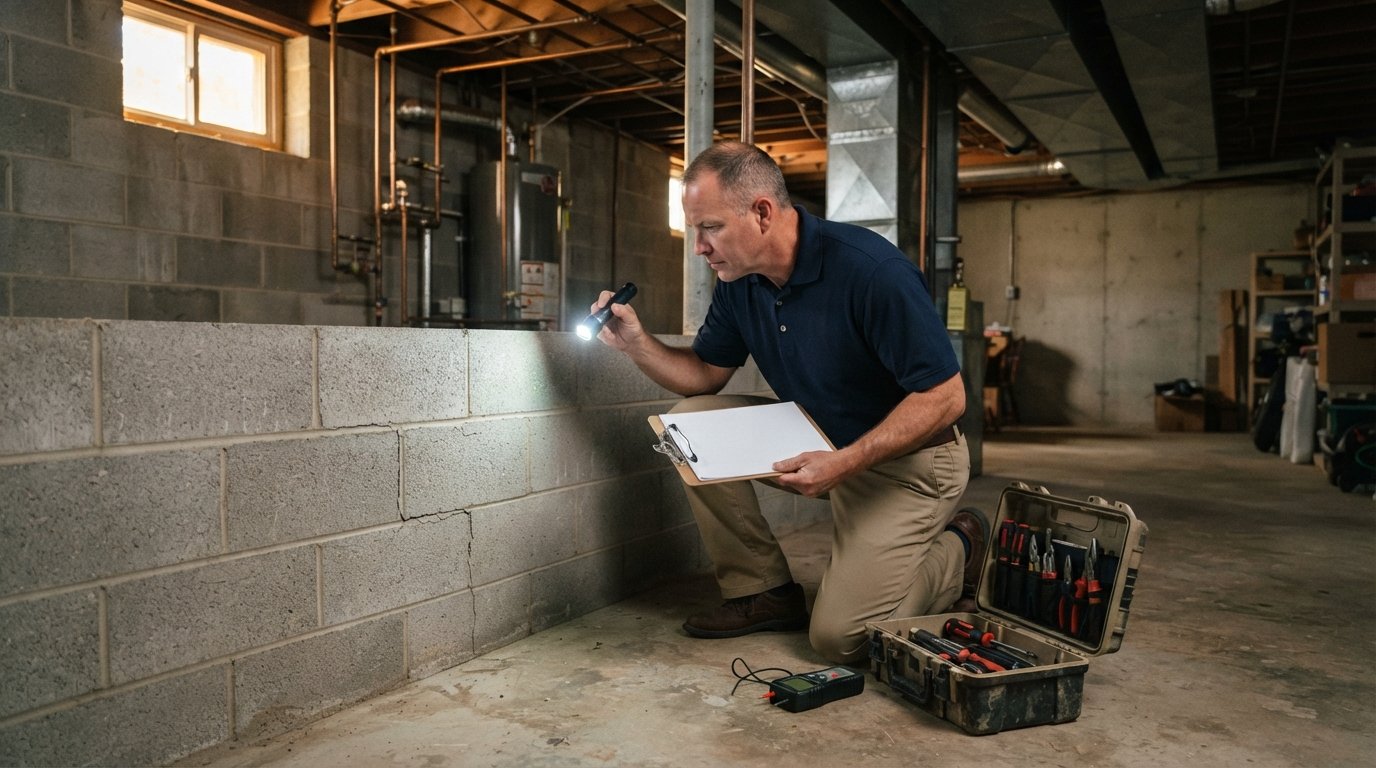
What to Expect During a Home Inspection Before Buying
Know what to expect during a home inspection before buying, from scheduling to report review. Call (833)-439-3727 for trusted local inspector referrals.
By Adnan Nazir
Learn more about Home Inspection for guides, costs, and what to expect.
Compare Home Inspection Pros Near You

Enter your ZIP code to compare top-rated local professionals and request free quotes.
Buying a home is likely the largest financial decision you will ever make, and a professional home inspection is your best opportunity to verify that the property is worth the price. A typical inspection lasts two to four hours and produces a detailed report covering hundreds of items, from the roof to the foundation. Understanding what to expect during a home inspection before buying helps you ask better questions, negotiate with confidence, and avoid surprise repair bills after closing. This guide walks you through the entire process, step by step, so you know exactly what happens, when it happens, and how to use the findings to protect your investment.
What a Home Inspection Actually Covers
A standard home inspection is a visual, non-invasive examination of the home's major systems and components. The inspector does not tear open walls or dig up the yard. Instead, they test what is accessible and report on conditions that could affect safety, value, or livability. Most inspections follow a recognized standard of practice, such as the one published by InterNACHI or ASHI, which ensures consistency across the industry.
The inspection typically evaluates these core areas:
- Roof and attic: shingles, flashing, gutters, ventilation, insulation, and signs of leaks or water damage.
- Structural elements: foundation, walls, floors, ceilings, and visible framing for cracks, settlement, or movement.
- Plumbing system: water supply lines, drains, fixtures, water heater, and signs of leaks or corrosion.
- Electrical system: service panel, wiring, outlets, switches, grounding, and GFCI protection.
- HVAC system: heating and cooling equipment, ductwork, and thermostat operation.
Beyond these core items, inspectors also examine windows, doors, siding, porches, decks, driveways, and built-in appliances. They note safety hazards such as missing handrails, exposed wiring, or improper venting. What they do not do is diagnose the remaining life of a system, estimate repair costs, or inspect anything that is concealed or inaccessible. If you want a deeper look at specific systems, you can hire specialists for a sewer scope, chimney inspection, or radon test.
Understanding the scope prevents disappointment. An inspection is not a warranty and not a code compliance check. It is a snapshot of the home's condition on the day of the inspection, designed to give you enough information to make an educated decision.
The Step-by-Step Inspection Process
Knowing the sequence of events helps you plan your schedule and prepare mentally. The process usually begins as soon as your offer is accepted and the inspection contingency period starts. In most contracts, you have seven to ten days to complete inspections and submit any repair requests. Missing that window can cost you your earnest money or your negotiating leverage.
Here is the typical timeline from contract to report:
- Schedule the inspection: Your real estate agent or you contact a licensed inspector. In competitive markets, book within 24 to 48 hours of acceptance.
- Attend if possible: You are not required to be there, but attending lets you ask questions and see issues firsthand.
- Walkthrough and testing: The inspector examines the exterior, then moves inside, testing systems and noting conditions.
- Receive the report: Most inspectors deliver a digital report within 24 to 48 hours, complete with photos and summaries.
- Review and negotiate: You and your agent decide which items to request as repairs, credits, or price reductions.
During the inspection itself, the inspector will likely arrive early, set up ladders, and start with the roof and exterior. They then work through the interior room by room, testing outlets, running faucets, and operating the furnace and air conditioner. You can shadow them, but avoid distracting them with constant questions. Save your questions for the end or ask them as they note an issue.
If you cannot attend, you can still get the most from the process by reviewing the report carefully and calling the inspector with follow-up questions. A good inspector will walk you through the findings and clarify which items are major versus minor. For a broader overview of the entire inspection event, see our guide on what happens during a home inspection when buying a house.
How to Read and Interpret the Inspection Report
The inspection report is not a pass or fail document. It is a detailed narrative of the home's condition, often 30 to 60 pages long with photos and recommendations. First-time buyers sometimes panic at the length, but most findings are routine maintenance items. The key is to separate major defects from minor issues.
Major defects typically include structural problems, roof failures, foundation cracks, outdated electrical panels, active leaks, and HVAC systems at the end of their life. These items can cost thousands of dollars and may justify renegotiation. Minor issues include loose outlets, missing caulk, dripping faucets, or worn weather stripping. These are normal in any used home and usually not worth a repair request.
When reading the report, look for these red flags:
- Language like "active leak," "structural movement," "improper wiring," or "failed component."
- Recommendations to consult a specialist, such as a structural engineer or electrician.
- Safety concerns, including missing smoke detectors, exposed wiring, or gas leaks.
- Multiple issues in one system, which may indicate a larger problem.
After reviewing the report, prioritize your requests. You typically cannot ask for everything to be fixed. Focus on health and safety items, structural integrity, and systems that are near failure. Cosmetic flaws are usually not valid negotiation points. Your agent can help you frame a reasonable request that the seller will consider seriously.
Keep in mind that the inspector's job is to report, not to estimate repair costs. You may need to get quotes from licensed contractors for major items. This is where a service like PlanRemodel can help you find pre-vetted professionals in your area to assess the work and provide accurate numbers.
Common Issues Inspectors Find and What They Mean
Certain problems appear in almost every inspection, especially in older homes. Knowing what they mean helps you gauge their severity. For example, a cracked driveway or a loose handrail is cosmetic and inexpensive to fix. A cracked foundation wall with horizontal displacement is a structural warning that could require professional evaluation.
Here are some of the most common findings and their typical implications:
- Roof wear: Missing shingles or granule loss may mean the roof is near the end of its life. A roof replacement can cost $8,000 to $15,000 or more.
- Electrical issues: Double-tapped breakers, aluminum wiring, or missing GFCI outlets in wet areas are safety hazards that require an electrician.
- Plumbing leaks: Slow drains, corroded pipes, or a water heater past its warranty can lead to water damage and mold.
- HVAC age: A furnace or air conditioner older than 15 years is likely inefficient and may need replacement soon.
- Poor drainage: Grading that slopes toward the house or clogged gutters can cause basement flooding and foundation problems.
None of these findings automatically kill the deal. They simply inform your decision. You might ask the seller to repair the roof, offer a credit for the electrical work, or lower the price so you can handle the repairs yourself. The inspection gives you the evidence you need to negotiate fairly.
In some cases, the seller may provide a pre-listing inspection report. That can be helpful, but you should still get your own inspection from an inspector you trust. A seller's report may be incomplete or outdated, and you want an unbiased opinion.
Your Role During the Inspection and Beyond
You are not a passive observer in this process. Your actions before, during, and after the inspection determine how much value you get from it. Before the inspection, prepare a list of questions or concerns specific to the property. If you noticed a musty smell or a sloping floor during your showing, mention it to the inspector so they pay extra attention.
During the inspection, dress appropriately and plan to spend two to three hours on site. Bring a notebook and a phone for photos. Follow the inspector at a respectful distance, and ask questions when they pause. Do not climb on the roof or enter the crawlspace unless invited. Your safety and the inspector's insurance coverage depend on following their lead.
After the inspection, review the report within 24 hours. Highlight the items that concern you most. Then discuss with your agent which items to request in writing. Your repair request should be specific: cite the inspection report, describe the issue, and state what you want (repair, credit, or price reduction). Sellers are more likely to agree to clear, reasonable requests than to vague demands.
If the seller refuses to address major safety issues, you have the right to walk away if your contract includes an inspection contingency. That is the ultimate protection of the inspection process. Never waive an inspection contingency unless you are fully prepared to accept the home as-is, with all its defects. The small cost of an inspection (typically $300 to $600) is insignificant compared to the potential cost of undiscovered problems.
Finally, remember that an inspection is not a guarantee. It reduces risk but does not eliminate it. Even the best inspector can miss hidden issues. That is why you should also review the seller's disclosure, check permits, and consider specialized inspections for sewer lines, chimneys, and radon. The more information you gather, the better your decision will be.
With the right expectations and a proactive approach, a home inspection becomes a powerful tool that gives you confidence and negotiating power. Use it wisely, and you will start homeownership on solid ground.
Learn more about Home Inspection for guides, costs, and what to expect.
Compare Home Inspection Pros Near You
Enter your ZIP code to compare top-rated local professionals and request free quotes.