
What to Do If a Contractor Abandons the Job
If a contractor abandons your job, act fast: document everything, send a demand letter, file complaints, and recover losses. Protect your home and wallet now.
By Danica Leslie
Learn more about General Contracting for guides, costs, and what to expect.
Compare General Contracting Pros Near You

Enter your ZIP code to compare top-rated local professionals and request free quotes.
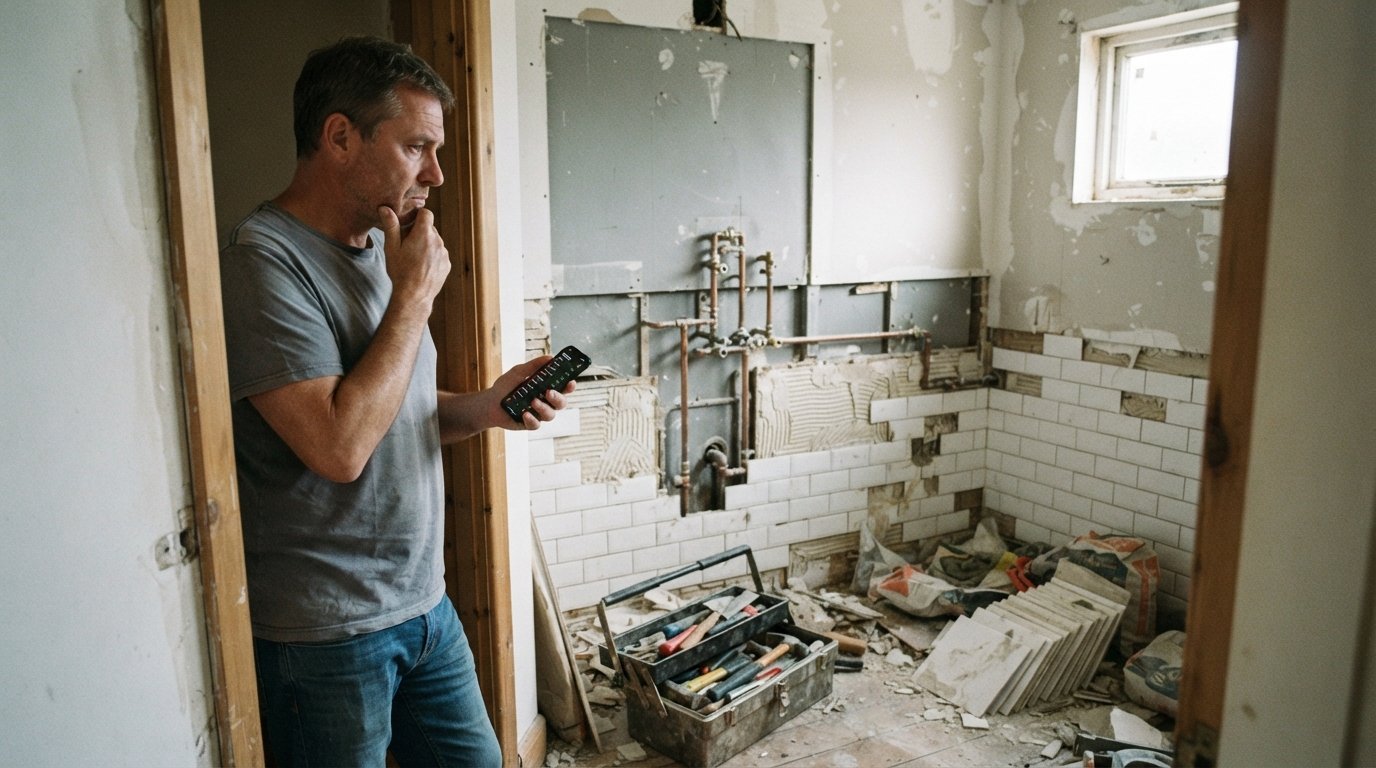
The half-finished bathroom sits silent. The contractor who promised to return Monday has stopped answering calls, and you are left staring at exposed plumbing and a pile of unused tile. Contractor abandonment is more common than most homeowners expect, and it typically happens after a deposit has changed hands. According to industry surveys, roughly one in five homeowners reports a contractor who walked off the job or failed to finish work as agreed. The panic you feel is normal, but the steps you take in the next 48 hours will determine whether you recover your money, finish the project, and protect your legal standing. This guide walks you through exactly what to do if contractor abandons the job, from documenting the scene to filing complaints and hiring a replacement without losing more time or money.
Confirm the Abandonment Before You Act
Not every delay is abandonment. Contractors sometimes disappear for a week due to supply chain issues, illness, or overlapping jobs. Before you assume the worst, make a formal attempt to reach the contractor through every channel you have: phone, text, email, and written letter. Give a clear deadline, such as 72 hours, for a response. If the contractor fails to reply or refuses to provide a concrete return date, you can reasonably treat the project as abandoned. Document every attempt: note the date, time, method, and outcome of each contact. This record becomes critical if you pursue legal action or file a complaint with a licensing board.
You should also check whether the contractor has filed for bankruptcy or had their license suspended. Most state licensing boards maintain online databases where you can verify status. If the license is inactive or revoked, that is a strong signal the contractor is not coming back. In some cases, a contractor may simply be waiting for a payment you withheld; review your contract to confirm you are not in breach. If you have paid on time and the contractor still vanished, you are likely dealing with abandonment.
Understanding the legal definition of abandonment matters because it affects your remedies. In most states, abandonment occurs when a contractor stops work without justification and without notice, leaving the project incomplete. Some contracts define abandonment explicitly, including the number of days of inactivity that triggers it. Read your agreement carefully. If the contract is silent, state law fills the gap. For a deeper look at the legal consequences and homeowner rights, see our guide on what happens if your contractor abandons your project.
Secure the Site and Document Everything
Your first physical priority is safety. An abandoned job site can be dangerous, especially if electrical, plumbing, or structural work is exposed. Turn off power to affected circuits at the breaker box if wires are dangling. Shut off water to any open pipes. If the contractor left tools or materials, do not dispose of them; they may be evidence or subject to a mechanic's lien. Take photographs and videos of the entire site from multiple angles. Capture the condition of work that was completed, the materials on hand, and any damage. These visuals will support your insurance claim, legal case, or complaint.
Create a written timeline of the project. Include the contract signing date, payment dates and amounts, the last day work was performed, and every communication attempt. Gather all documents: the signed contract, change orders, receipts, canceled checks, text messages, and emails. If you paid by credit card, you may have chargeback rights. If you paid by check, your bank may not offer the same protection, but the canceled check still proves payment. Organize everything in a folder, physical or digital, so you can hand it to an attorney or licensing board without scrambling.
You should also notify your insurance company if the abandonment resulted in damage, such as water leaks or theft. Most homeowner policies cover sudden and accidental damage, though they may not cover the cost of completing the project. File a claim promptly and provide your documentation. If the contractor was bonded, the surety company may be liable for unfinished work or financial loss. Check your contract for the bond number and contact the surety directly.
Send a Formal Demand Letter
Before escalating to lawsuits or licensing boards, send a formal demand letter to the contractor. This letter should state the facts: the contract date, the amount paid, the work remaining, and the date you consider the project abandoned. Demand a response within a specific timeframe, typically 10 to 14 days, and specify what you want: a refund of unearned payments, completion of the work, or compensation for damages. Send the letter via certified mail with return receipt requested, and keep a copy. A demand letter often prompts a response because it signals you are serious and organized.
If the contractor does not respond, the demand letter becomes evidence of your reasonable efforts to resolve the dispute. Some states require a demand letter before you can file a lawsuit or a complaint with the licensing board. Even if not required, it strengthens your position. You can write the letter yourself or hire an attorney for a modest fee. Many legal aid organizations and bar associations offer free or low-cost consultations for homeowners in disputes.
In the letter, avoid emotional language. Stick to facts and deadlines. Mention that you will file complaints with the state licensing board, the Better Business Bureau, and consumer protection agencies if the matter is not resolved. If you have already hired a replacement contractor, include the additional costs you incurred. This sets the stage for a claim in small claims court if necessary.
File Complaints With Licensing Boards and Consumer Agencies
State licensing boards are powerful allies. They can investigate the contractor, suspend or revoke the license, and sometimes order restitution from a recovery fund. File a complaint as soon as you have documented the abandonment. Each state has its own process, but most require a written statement, copies of your contract and payments, and a description of the unfinished work. The board may mediate or hold a hearing. Even if the board cannot recover your money, a public complaint can warn other homeowners and pressure the contractor to settle.
In addition to the licensing board, file complaints with:
- The Better Business Bureau (BBB), which tracks patterns of complaints and can mediate disputes.
- Your state attorney general's consumer protection division, which handles fraud and deceptive practices.
- The Federal Trade Commission (FTC) if the contractor crossed state lines or engaged in unfair business practices.
- Local consumer affairs offices, which may have mediation programs.
Keep copies of every complaint and any responses. These records show a pattern of abandonment if you end up in court. They also help other homeowners avoid the same contractor. Some states publish complaint histories online, so your report may appear in search results when someone vets the contractor.
If the contractor was bonded, file a claim against the bond. The surety company will investigate and may pay for unfinished work or damages, up to the bond amount. Bond claims often have short deadlines, so act quickly. You can find the surety's contact information on the bond certificate or by asking the licensing board.
Pursue Legal Remedies and Financial Recovery
If complaints and demand letters fail, you can sue the contractor. Small claims court is an option for disputes under a certain amount, typically $5,000 to $10,000 depending on the state. You do not need a lawyer for small claims, but you must present clear evidence: the contract, payment proof, photos, and your timeline. If the amount is larger, you may need to file in civil court with an attorney. Lawsuits are time-consuming, but they can result in a judgment you can enforce through wage garnishment or property liens.
Another avenue is to check whether the contractor has assets. If the contractor owns property or has a bank account, a judgment can be collected. If the contractor is judgment-proof, you may not recover money even if you win. In that case, your best bet may be the state's recovery fund. Many states have a fund that compensates homeowners who suffer losses due to licensed contractors who abandon projects or perform substandard work. These funds have caps, often $15,000 to $50,000, and require you to exhaust other remedies first. Apply as soon as you learn about the fund, because deadlines apply.
If you paid by credit card, dispute the charge. Under the Fair Credit Billing Act, you can dispute charges for services not rendered. Contact your credit card issuer within 60 days of the statement date. Provide your documentation and explain that the contractor abandoned the job. The issuer will investigate and may issue a temporary credit. Debit card disputes are governed by different rules and may have shorter deadlines, so act fast. If you paid through a financing company, contact them as well; they may pause payments while the dispute is investigated.
Hire a Replacement Contractor the Right Way
Once you have documented the abandonment and filed complaints, you need to finish the project. Hiring a new contractor requires care because you are already in a vulnerable position. Start by getting multiple quotes from licensed, insured contractors. Use a platform like FreeQuotes.Contractors to request free quotes from pre-vetted local professionals. This saves time and helps you compare prices and timelines side by side. Before hiring, verify the new contractor's license, insurance, and references. Ask for a written contract that clearly states the scope of work, payment schedule, and completion date. Never pay a large deposit upfront; tie payments to milestones.
When you hire a replacement, you may need to pay more than the original contract price. Keep receipts for all additional costs. These become damages you can claim from the original contractor in court or from a recovery fund. Some states allow you to recover the difference between the original contract and the cost to complete the work, plus attorney fees. Document everything. If the new contractor discovers defective work by the previous contractor, get a written assessment and photos. You may need to sue for the cost of correcting that work as well.
Be transparent with the new contractor about the situation. They may be wary of a project with a troubled history, but a clear explanation and a solid contract will reassure them. Avoid badmouthing the previous contractor; focus on the facts and your plan to move forward. A professional replacement contractor will appreciate your organization and may even help you document the remaining work for your legal case.
Prevent Future Abandonment: Lessons Learned
The best way to handle contractor abandonment is to prevent it. When you hire a contractor, follow these practices:
- Verify the license, insurance, and bonding before signing a contract.
- Never pay more than 10 to 20 percent upfront, and tie further payments to completed milestones.
- Get a written contract that includes a start date, completion date, and a detailed payment schedule.
- Check references and look for online reviews, but be aware that fake reviews exist.
- Keep a paper trail of every communication and payment.
- Consider using an escrow service for large projects, so funds are released only when work is approved.
Even with precautions, abandonment can happen. If it does, act quickly. The sooner you document, complain, and hire a replacement, the better your chances of recovery. Do not wait for the contractor to return; time works against you. Legal deadlines, bond claim periods, and credit card dispute windows all tick away while you wait. Move forward with the steps above, and you will minimize your losses and get your project back on track.
Remember that you are not alone. Thousands of homeowners face this situation every year, and resources exist to help. State licensing boards, consumer protection agencies, and recovery funds are designed for exactly this scenario. Use them. And when you are ready to hire again, take your time and vet carefully. A finished project is worth the effort.
Learn more about General Contracting for guides, costs, and what to expect.
Compare General Contracting Pros Near You
Enter your ZIP code to compare top-rated local professionals and request free quotes.