
Storm Damage Roof Claim: Home Insurance Steps
Learn the essential steps to file a home insurance claim for storm damage roof and secure a fair settlement from your insurer.
By Adnan Nazir
Learn more about Roof Repair or Maintenance for guides, costs, and what to expect.
Compare Roof Repair or Maintenance Pros Near You

Enter your ZIP code to compare top-rated local professionals and request free quotes.
When a severe storm rolls through, the sound of hail pounding your roof or the sight of a fallen limb can trigger a mix of anxiety and uncertainty. Your roof is your home's first line of defense, and after the clouds clear, you may be staring at missing shingles, dented flashing, or worse. The immediate question is not just about the damage, but about how you will pay for the repairs. Navigating a home insurance claim for storm damage roof can feel overwhelming, especially when you are already dealing with the stress of property damage. This guide walks you through every critical step, from the initial inspection to the final settlement, so you can approach the process with confidence and maximize your recovery.
Understanding how your policy works and what insurers expect from you will make the entire process smoother. Many homeowners make costly mistakes simply because they do not know the right questions to ask or the proper documentation to gather. By taking a methodical approach, you can avoid common pitfalls and ensure your claim is processed fairly. Let's break down the entire journey of a home insurance claim for storm damage roof, starting with what you should do immediately after the storm passes.
Immediate Steps After Storm Damage
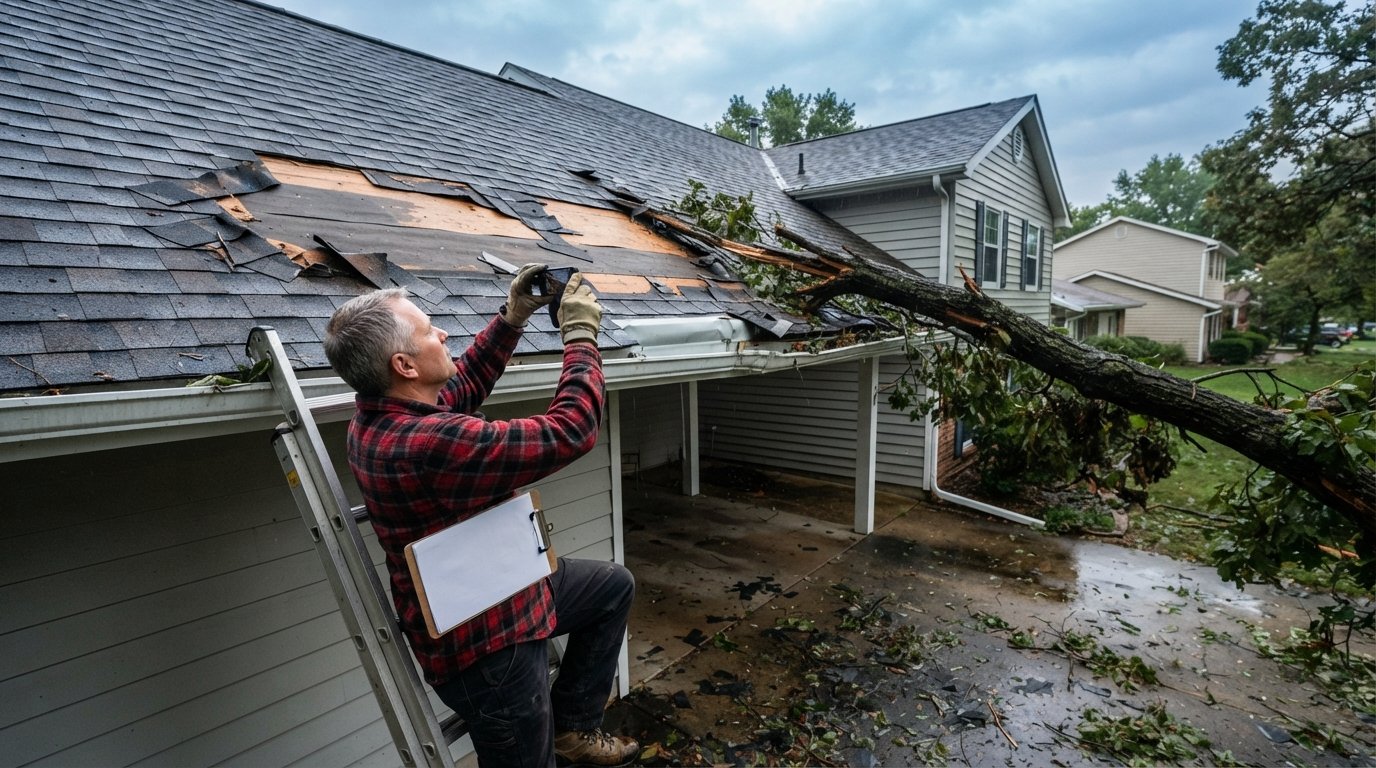
The hours and days following a storm are crucial for both your safety and the success of your insurance claim. Your first priority is always to ensure that everyone in your household is safe and that no further damage occurs. Once the storm has fully passed, carefully inspect your property from a safe distance. Look for obvious signs of roof damage such as missing or lifted shingles, exposed underlayment, or debris that has punctured the roofing material. Also check for fallen branches that may have struck the roof, and examine your gutters and downspouts for an accumulation of granules, which often indicates hail damage.
After you have assessed the visible damage, it is time to document everything. Take clear, close-up photos and videos of every affected area, including the roof, gutters, siding, and any interior damage like water stains on ceilings or walls. This visual evidence is invaluable when you file your claim. Then, make temporary repairs to prevent further damage, such as covering a hole with a tarp or placing a bucket under a leak. Your insurance policy typically covers reasonable emergency repairs, but keep all receipts and take photos of the temporary fixes. This proactive approach not only protects your home but also demonstrates to the adjuster that you acted responsibly, which can help your claim.
Understanding Your Home Insurance Policy
Before you even pick up the phone to file a claim, take some time to review your home insurance policy. Familiarize yourself with the declarations page, which outlines your coverage limits, deductibles, and any endorsements. Pay special attention to what is covered under your dwelling protection and whether you have separate coverage for other structures like a detached garage. Most standard policies cover damage from wind, hail, and the weight of ice or snow, but they do not cover flood damage or damage resulting from lack of maintenance. Knowing these details will help you set realistic expectations.
Your deductible is a critical number in this equation. It is the amount you agree to pay out of pocket before your insurance kicks in. If your roof damage is minimal and the repair cost is close to your deductible, it may not be worth filing a claim, as this could lead to higher premiums in the future. However, for significant storm damage, the claim is clearly justified. Also, be aware of the difference between actual cash value (ACV) and replacement cost value (RCV) coverage. ACV pays you the depreciated value of your roof, while RCV covers the full cost to replace it with similar materials. Understanding these terms will help you interpret the adjuster's estimate and negotiate effectively.
How to File a Home Insurance Claim for Storm Damage Roof
Once you have documented the damage and reviewed your policy, you are ready to file your claim. Contact your insurance company as soon as possible, as most policies have time limits for reporting damage. Have your policy number, a description of the damage, and your documentation ready. The insurer will assign a claims adjuster to your case. During the initial call, be clear and factual about what happened and the extent of the damage, but avoid speculating about causes or offering opinions. Stick to the facts and let the adjuster do their job.
After you file, the adjuster will schedule an inspection of your roof. It is highly recommended that you be present during this inspection. Walk around with the adjuster, point out all areas of damage, and share your photo and video evidence. If you have already obtained an estimate from a reputable local roofing contractor, share that as well. This shows the adjuster that you have a clear understanding of the damage and provides a comparison point. Remember that the adjuster works for the insurance company, so their goal is to minimize the payout. Being prepared and knowledgeable can significantly influence the outcome.
The Roof Inspection: What to Expect
The insurance adjuster's inspection is a pivotal moment in your claim process. The adjuster will typically examine the entire roof, looking for signs of hail impact, wind uplift, and other storm-related damage. They will also check your gutters, downspouts, and any roof penetrations like vents and chimneys. Be prepared to point out any areas you believe are damaged, and do not be shy about raising concerns. The adjuster may take their own photos and measurements, and they will likely climb onto the roof if it is safe to do so.
While the adjuster is there, ask questions about their findings and the timeline for the claim decision. Also, ask about the scope of work they are documenting, including whether they are including the cost of underlayment, flashing, and disposal of the old roof. These details can dramatically affect your final payout. If the adjuster misses something or you disagree with their assessment, you have the right to request a reinspection. Many homeowners find it beneficial to have a roofing contractor present during the insurance inspection. A professional roofer can identify damage that might be invisible to an untrained eye and can advocate on your behalf, ensuring that all storm damage is properly documented.
Working with a Roofing Contractor for Your Claim
One of the smartest moves you can make is to hire a reputable roofing contractor who specializes in insurance claims. These professionals understand the claims process and can provide a detailed, line-item estimate that accounts for all necessary repairs. They can also help you document the damage from a contractor's perspective, which often includes identifying issues the adjuster may overlook, such as damaged underlayment or bent flashing. A good contractor will work with your insurance company to ensure that the scope of work is complete and accurate.
When selecting a contractor, avoid storm chasers who go door-to-door after a storm. Instead, look for a local, established company with positive reviews and proper licensing and insurance. Ask for references and verify their credentials. A contractor who is experienced with insurance claims can be a valuable ally, but remember that they are also there to make a profit. Get everything in writing, including the scope of work, materials, and timeline. It is also wise to get multiple estimates to compare pricing and scope. Having a solid contractor estimate in hand before the adjuster's visit can give you leverage and help you secure a fair settlement.
Dealing with Claim Denials and Underpayments
It is a frustrating reality that insurance companies sometimes deny legitimate claims or offer settlements that are far too low. If your claim is denied, do not accept it as the final word. Request a written explanation of the denial, and review your policy to see if you can find grounds for appeal. Common reasons for denial include lack of maintenance, wear and tear, or the damage being deemed a flood event. If you believe the denial is unjust, you can appeal the decision, provide additional evidence, or even hire a public adjuster to advocate on your behalf.
Underpayment is another common issue. The initial offer from the insurance company may not reflect the true cost of repairs, especially if the adjuster missed certain damages or used outdated pricing. In this case, you can submit a supplemental claim with additional documentation from your contractor. Do not sign a release or accept a final payment until you are satisfied that the settlement covers all necessary work. If negotiations stall, you may need to consider mediation or arbitration, which are often faster and less costly than a lawsuit. Remember that you have legal rights, and many homeowners successfully overturn initial denials or negotiate higher settlements with persistence and the right evidence.
Preventing Future Storm Damage to Your Roof
Once your roof is repaired or replaced, it makes sense to take steps to protect it from future storms. Regular maintenance can extend the life of your roof and reduce the likelihood of severe damage. This includes trimming overhanging branches, cleaning your gutters, and having your roof inspected annually by a professional. These inspections can catch minor issues before they become major problems, and they demonstrate to your insurer that you are a responsible homeowner, which can sometimes lead to lower premiums.
Consider upgrading to impact-resistant roofing materials if you live in an area prone to hail. Many insurance companies offer discounts for these materials, and they can significantly reduce the chance of future damage. Also, ensure that your attic is properly ventilated and insulated, as this can prevent ice dams in winter, which are a common cause of roof leaks. While you cannot control the weather, you can control how prepared your home is. Taking these proactive steps not only protects your investment but also makes any future home insurance claim for storm damage roof more straightforward, as your roof will be in better condition to withstand the elements.
Why You Should Use a Free Quote Service
After your insurance claim is approved, the next step is to hire a contractor to complete the work. However, you should not simply settle for the first contractor who calls you. Shopping around is essential to ensure you get quality workmanship at a fair price. This is where a platform like FreeQuotes.Contractors becomes invaluable. This service connects you with multiple pre-vetted local contractors in your area, allowing you to compare estimates and choose the best fit for your project without any obligation.
Using a free quote service saves you time and stress. Instead of spending hours making phone calls and vetting contractors, you submit one request and receive multiple quotes. This gives you the power to compare pricing, materials, and timelines side-by-side. It also ensures that you are not being overcharged, as you will have a clear picture of the market rate for your roofing work. Furthermore, these platforms often work with contractors who have been screened for licensing and insurance, giving you an added layer of protection. In our guide on storm damage repair contractors in Louisiana, we explain how to evaluate local pros and what to look for in an estimate, so you can apply the same principles wherever you live.
Final Thoughts on Your Storm Damage Claim
Filing a home insurance claim for storm damage roof is a process that requires patience, organization, and a clear understanding of your rights. By acting quickly, documenting everything, and being proactive in your communication with your insurer, you set the stage for a favorable outcome. Do not underestimate the value of professional help, whether it is from a reputable roofing contractor or a public adjuster. These experts can help level the playing field against the insurance company and ensure you receive the full compensation you are entitled to.
Finally, remember that your home is your most significant investment, and your roof is its shield. Taking the time to navigate the claims process correctly not only helps you recover from the immediate damage but also preserves the long-term value and safety of your home. If you are in the middle of a claim or preparing to file one, take a deep breath and follow the steps outlined here. With the right approach, you can weather the storm and come out with your home and your finances intact.
Learn more about Roof Repair or Maintenance for guides, costs, and what to expect.
Compare Roof Repair or Maintenance Pros Near You
Enter your ZIP code to compare top-rated local professionals and request free quotes.