
Exterior House Painting Cost Factors and Fair Quotes
Get a fair exterior painting quote by knowing cost factors and reading estimates. Call (833)-439-3727 for trusted contractor referrals.
By Alexia Mabel
Learn more about Exterior Painting for guides, costs, and what to expect.
Compare Exterior Painting Pros Near You

Enter your ZIP code to compare top-rated local professionals and request free quotes.
Your exterior paint is more than a cosmetic shield; it is the first line of defense against sun, rain, and pests. When it starts to peel or fade, you know a project is on the horizon, but the wide range of bids can feel like a guessing game. The key to avoiding overpaying or getting stuck with a low-quality job is understanding the exterior house painting cost factors and getting a fair quote that reflects real work, not guesswork. Whether you are budgeting for a simple refresh or a full scrape and repaint, knowing what drives the price and how to read an estimate line by line will put you in control. In this guide, we break down the variables that matter, show you how to spot a fair quote, and explain how to ask the right questions so you can hire with confidence.
What Drives the Cost of Exterior House Painting
Exterior painting is not a one-size-fits-all service. Two homes on the same street can receive bids that differ by thousands of dollars, and the reasons usually come down to measurable factors. The biggest driver is square footage of the paintable surface, but that number is rarely just the footprint of your house. Contractors calculate the total wall area, then add for gables, dormers, trim, and other architectural details. A home with complex rooflines or multiple bump-outs will take more time and material than a simple rectangular box, even if the overall square footage is similar.
Height and accessibility also play a major role. A single-story ranch is faster and safer to paint than a three-story home with steep pitches. Two-story homes often require scaffolding, ladders, and fall-protection equipment, which adds labor hours and rental costs. If your home has hard-to-reach areas like a chimney chase or a second-story balcony, expect those to be priced accordingly. Similarly, the condition of your siding matters: a surface that is chalky, peeling, or covered in mildew will need more prep work, and prep is often the most labor-intensive part of the job.
Finally, the material of your siding influences both the paint you need and the application method. Wood siding requires careful scraping and priming, while stucco may need patching and a specialized elastomeric coating. Vinyl and fiber cement have their own best practices. A contractor who understands these differences will build the right prep and product into the quote, while a low bid might skip steps that protect your home long-term.
The Prep Work That Makes or Breaks a Paint Job
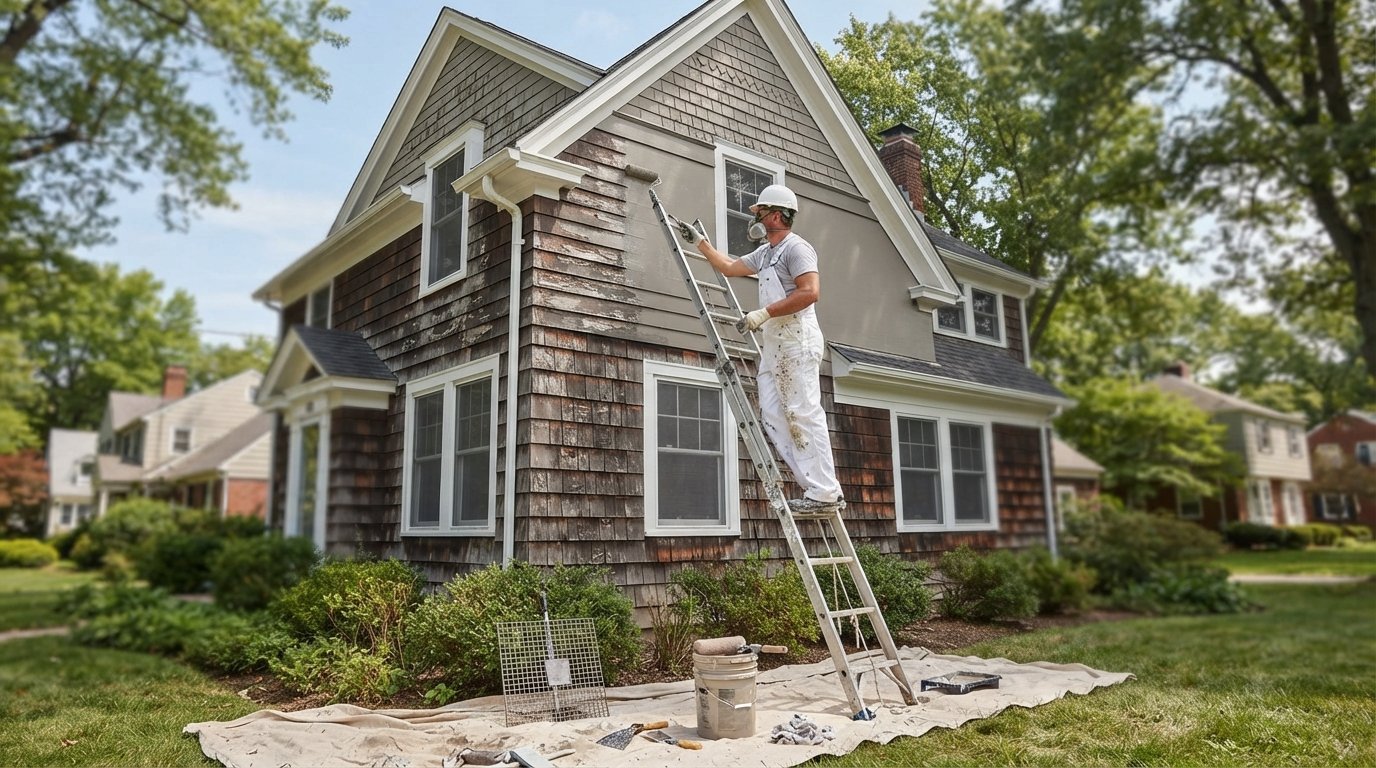
Ask any experienced painter and they will tell you: prep is 80 percent of a quality job. Yet prep is also where dishonest or inexperienced contractors cut corners to lower their price. A fair quote will clearly state what prep is included, and you should expect to see several key steps. Pressure washing is almost always the first task, as it removes dirt, chalk, and mildew that would prevent paint from adhering. If a bid omits pressure washing, that is a red flag.
Scraping and sanding come next for areas with peeling or flaking paint. The goal is to remove loose material and feather edges so the new coat can bond properly. Priming is another critical step, especially over bare wood, patched areas, or previous paint that is in poor condition. Some contractors will use a primer tinted to match your topcoat, which can improve coverage. If your quote lists painting but does not mention priming, ask whether it is included or if it is an extra charge.
Caulking and minor repairs also fall under prep. Gaps around windows and doors, small cracks in stucco, and holes from old hardware should be sealed before painting. A thorough quote will include these tasks, but some contractors treat them as add-ons. The best way to compare bids fairly is to ask each contractor to provide a line-item breakdown of prep tasks. That way you can see if the low bid is actually a better deal or simply a job that skips essential steps.
Paint Quality, Coats, and Warranty Differences
The paint itself can account for 15 to 25 percent of the total cost, but it has an outsized impact on durability. Manufacturers offer different grades: entry-level, mid-grade, and premium. Premium paints cost more per gallon but often last longer and resist fading and cracking. A contractor who bids using a low-grade paint may be able to offer a lower price, but you may need to repaint sooner. Ask for the specific brand and product line in the quote, and compare those products online or with a paint store.
Number of coats is another factor. Most exterior repaints require two coats for proper coverage and durability, especially when changing colors. Some contractors may propose a single coat to keep the price down, but that often leads to thin spots and premature failure. A fair quote will specify two coats on all paintable surfaces, with an extra coat on areas that need it. If a bid lists only one coat, ask why and consider whether it is worth the risk.
Warranties vary widely. Labor warranties from contractors might range from one to five years, while paint manufacturers offer their own warranties that can be longer. A quote should state both the labor warranty and the product warranty. Be wary of lifetime guarantees that sound too good to be true; they often have exclusions for normal wear or require proof of maintenance. Understanding these differences helps you compare apples to apples when reviewing bids.
How to Read an Exterior Painting Estimate Line by Line
An estimate is more than a total price; it is a roadmap of the work. A professional quote will typically include several sections: scope of work, materials, prep, labor, and terms. Start by checking that the scope matches your expectations. Does it list all surfaces to be painted? Are trim, doors, and shutters included? Are there any exclusions, such as areas that will not be painted or repairs that are not covered? If the scope is vague, ask for clarification in writing.
Next, look at the materials section. It should specify the paint brand, product line, and number of gallons (or at least an allowance). Some contractors provide an allowance for paint, meaning they will credit or charge you based on actual usage. That is acceptable if the allowance is realistic. Also check the prep section for the tasks we discussed: pressure washing, scraping, priming, caulking, and repairs. If any of these are missing, the quote may not be comparable to others that include them.
Labor should be broken down by area or task if possible. For example, some quotes separate walls, trim, and doors. This helps you see where the costs are concentrated. Finally, review the terms: payment schedule, start and completion dates, and warranty details. A fair quote will have clear milestones and not demand a large upfront payment. For more detailed guidance on evaluating painting estimates and hiring professionals, see our house painting guide on costs, prep, and hiring pros.
Here is a quick checklist for reading an estimate:
- Scope: Are all surfaces and structures (walls, trim, doors, shutters) clearly listed?
- Prep: Are pressure washing, scraping, priming, and caulking included?
- Materials: Is the paint brand and product line specified, along with the number of coats?
- Warranty: Does it state both labor and product warranties?
- Payment: Is the schedule reasonable, with a small deposit and payments tied to milestones?
If any of these items are missing or vague, ask the contractor to revise the quote. A reputable professional will be happy to provide details because it protects both of you.
Questions to Ask About Insurance, Crew Size, and Scheduling
Before you sign a contract, ask about insurance. A legitimate contractor should carry general liability insurance and workers compensation. General liability covers damage to your property, while workers compensation covers injuries to crew members. If a contractor is not insured, you could be held liable for accidents on your property. Ask for a certificate of insurance and verify it with the insurer if possible. Also confirm that any subcontractors are covered.
Crew size affects both speed and quality. A large crew might finish faster but could be less attentive to detail. A small crew might take longer but provide more consistent workmanship. Ask how many painters will be on site and who will supervise. If the contractor plans to use subcontractors, ask how they are vetted and insured. You want to know who will actually be doing the work.
Scheduling is another important consideration. Exterior painting is weather-dependent, so a realistic timeline should account for rain or high humidity. A fair quote will include an estimated start date and duration, with a clause for weather delays. Ask how the contractor handles rescheduling and whether they will provide daily updates. Clear communication about scheduling helps avoid frustration and ensures the job stays on track.
Red Flags and How to Spot an Unfair Quote
Not every low bid is a bargain. Some quotes are low because they omit critical steps, use cheap materials, or rely on uninsured labor. Watch for these red flags: a quote that is dramatically lower than others, a contractor who pressures you to sign immediately, no written contract, requests for large cash deposits, and no physical address or references. A fair quote will be detailed, transparent, and accompanied by proof of insurance and references.
Another red flag is a quote that includes vague language like "prep as needed" or "paint all surfaces." These phrases leave room for interpretation and can lead to disputes. Insist on specific descriptions of what will be done. Also, be cautious if a contractor offers to "throw in" extra services for free; it may be a tactic to distract from missing essentials.
To protect yourself, get at least three written quotes and compare them line by line. Use the checklist above to ensure each quote covers the same scope. And remember, the lowest price is not always the best value. A slightly higher bid that includes thorough prep, premium paint, and a solid warranty may save you money in the long run.
Finding Qualified Contractors and Getting Multiple Quotes
The best way to ensure a fair price is to solicit multiple quotes from reputable contractors. Start by asking for referrals from friends, family, or neighbors who have recently had exterior painting done. You can also use online directories to find pre-vetted professionals in your area. When you request quotes, provide the same information to each contractor so they bid on the same scope of work. This makes comparison easier and fairer.
During the bidding process, ask each contractor about their experience with your type of siding and any specialized training they have. A contractor who regularly works with stucco or historic wood siding will likely provide a more accurate quote and better results. Also, check online reviews and ratings, but read the details rather than just the star rating. Look for comments about punctuality, cleanliness, and follow-through.
If you want to streamline the process, consider using a platform like PlanRemodel to connect with local contractors and request quotes. Such services can save time and help you find insured, experienced professionals. However, always verify credentials independently and never rely solely on a directory's screening.
Once you have several quotes, compare them using a spreadsheet or a simple list. Note the total price, scope, prep included, paint brand, number of coats, warranty, and payment terms. This side-by-side comparison will highlight differences and help you ask targeted questions. Do not be afraid to negotiate; sometimes contractors can adjust the price or add services if you ask. But be wary of deep discounts that compromise quality.
Budgeting for Your Project and Avoiding Surprise Costs
Exterior painting costs can vary widely depending on your region, home size, and condition. As a rough guide, many homeowners spend between $3,000 and $10,000, but larger or more complex homes can exceed that. To avoid surprise costs, set aside a contingency fund of 10 to 20 percent of the total budget. This covers unexpected repairs, such as rotted wood or hidden damage discovered during prep.
Also, clarify what is not included in the quote. For example, some contractors may not include painting of shutters, doors, or trim unless specified. Others may charge extra for lead paint testing or removal, which is required for homes built before 1978. If your home is older, ask about lead-safe practices and whether the contractor is certified. These details can add to the cost but are necessary for safety and compliance.
Finally, consider the long-term value. A high-quality paint job with proper prep can last 10 to 15 years, while a cheap job may need repainting in five. When you factor in the cost of repainting, the higher initial investment often pays off. Use the quote comparison to evaluate value, not just price.
Understanding exterior house painting cost factors and getting a fair quote is within your reach when you know what to look for. Focus on the details: square footage, prep work, paint quality, and warranty. Ask about insurance and crew size, and don't hesitate to request line-item estimates. With multiple quotes and a careful review, you can hire a professional who delivers quality and peace of mind.
Learn more about Exterior Painting for guides, costs, and what to expect.
Compare Exterior Painting Pros Near You
Enter your ZIP code to compare top-rated local professionals and request free quotes.