
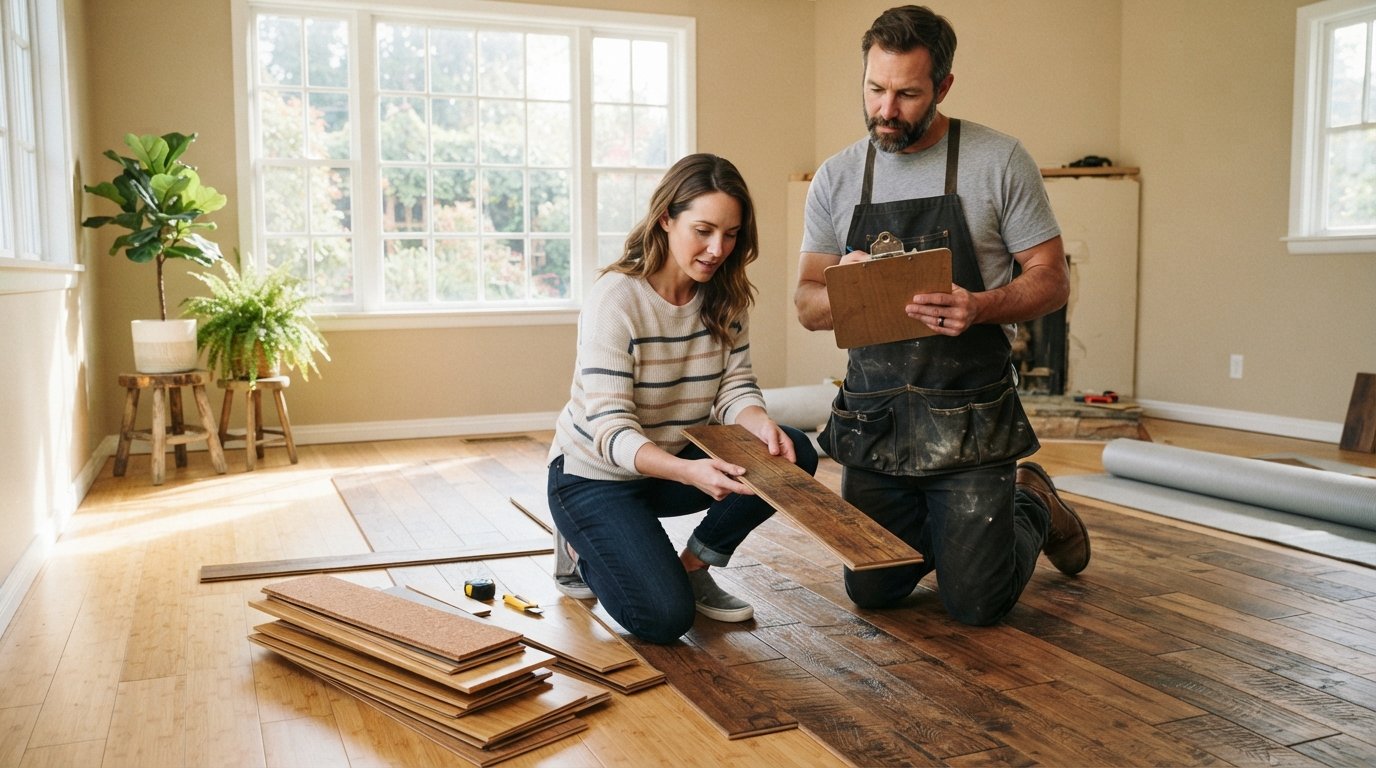
Eco Friendly Flooring Options for Sustainable Renovations
Compare eco friendly flooring options for sustainable home renovations, from reclaimed wood to cork. Call (833)-439-3727 for expert help.
By Chelsea Kris
Learn more about Floor Installation or Replacement for guides, costs, and what to expect.
Compare Floor Installation or Replacement Pros Near You

Enter your ZIP code to compare top-rated local professionals and request free quotes.
Every flooring choice you make during a renovation sends ripples through your home, your health, and the planet. Traditional flooring materials often come with hidden costs: volatile organic compounds (VOCs) that linger in the air, petroleum-based synthetics that end up in landfills, and harvesting practices that strip forests bare. But a new wave of eco friendly flooring options for sustainable home renovations lets you create a beautiful, durable floor without compromising your environmental values. From reclaimed wood with a story to bamboo that regenerates in years rather than decades, the choices are broader and more accessible than ever. This guide breaks down the most sustainable materials, compares their lifespan and sourcing, explains what certifications actually mean, and helps you weigh the cost premiums against long-term payoffs. Whether you are planning a full remodel or a single-room refresh, you will finish with the clarity to choose a floor that looks good, performs well, and aligns with your green goals.
Why Flooring Is a Key Player in Sustainable Renovations
Flooring covers more surface area than almost any other material in your home, and it gets replaced more often than structural elements like framing or siding. That combination makes it a major factor in a renovation's environmental footprint. According to the U.S. Environmental Protection Agency, construction and demolition debris accounts for more than twice the amount of municipal solid waste, and flooring frequently contributes a significant share of that stream. Choosing a material that is responsibly sourced, low in emissions, and built to last reduces waste and lowers the demand for virgin resources.
Indoor air quality is another critical angle. Many conventional floors, adhesives, and finishes off-gas VOCs for weeks or even months after installation. These compounds can trigger headaches, respiratory irritation, and longer-term health concerns. Eco friendly flooring options prioritize low-VOC or zero-VOC adhesives and finishes, and natural materials like cork and linoleum are inherently low emitters. For families with children, pets, or allergy sufferers, this indoor air quality benefit alone can justify the investment.
Durability ties the whole picture together. A floor that lasts 50 years is far more sustainable than one that needs replacement every decade, even if the latter is made from recycled content. The most eco friendly choice is often the one you install once and never think about again. That means looking beyond a material's green credentials to its real-world performance: how it handles moisture, foot traffic, and sunlight, and whether it can be refinished or repaired rather than ripped out.
Comparing Top Eco Friendly Flooring Materials
The market offers several strong contenders, each with distinct sourcing stories, lifespans, and maintenance needs. Understanding these differences is the first step toward a smart, sustainable choice. Below is a comparison of the most popular options, followed by deeper analysis of each.
- Reclaimed wood: 50 to 100+ years lifespan; salvaged from old buildings, barns, and factories; avoids new logging and preserves character.
- Bamboo: 20 to 50 years depending on type; rapidly renewable grass that matures in 3 to 5 years; look for FSC-certified and low-VOC finishes.
- Cork: 10 to 30 years; harvested from cork oak bark without killing the tree; naturally insulating, soft underfoot, and renewable.
- Linoleum: 20 to 40 years; made from linseed oil, cork dust, wood flour, and jute; biodegradable and naturally antimicrobial.
- Recycled-content carpet and tile: Varies widely; carpet from recycled PET bottles or wool; tile from recycled glass or porcelain; check certifications for emissions and recycled content.
Each material carries trade-offs. Reclaimed wood offers unmatched character and durability but can be costly and limited in supply. Bamboo is affordable and fast-growing but some varieties use adhesives with urea-formaldehyde, so certification matters. Cork and linoleum are excellent for kitchens and basements because they resist moisture and feel warm underfoot, though they may not suit high-traffic areas as well as hardwood. Recycled carpet and tile close the loop on waste but require careful vetting to ensure they meet indoor air quality standards. The right choice depends on your budget, the room's function, and how much maintenance you are willing to take on.
Reclaimed Wood: Character With a Past
Reclaimed wood is the ultimate upcycled flooring. It comes from decommissioned barns, factories, warehouses, and even old ships, giving new life to timber that would otherwise be landfilled or burned. Because no new trees are harvested, reclaimed wood avoids the habitat loss and carbon emissions associated with logging. It also carries a story and patina that new wood cannot replicate. Many reclaimed planks are old-growth timber, denser and more stable than modern lumber, which means they can last for generations.
The downsides are cost and availability. Reclaimed wood often costs more than new hardwood because of the labor involved in de-nailing, milling, and finishing. Supply can be unpredictable, and you may need to plan around the specific dimensions and species available. Installation requires an experienced contractor who understands how to acclimate and fasten reclaimed planks, which can vary in thickness and flatness. When properly installed and maintained, reclaimed wood floors can be sanded and refinished multiple times, extending their life even further. For homeowners restoring an older home, this option pairs beautifully with period-appropriate details. If you are weighing flooring for an older property, our guide on flooring replacement options for older homes can help you match material to architecture.
Bamboo: Rapidly Renewable and Versatile
Bamboo is technically a grass, not a wood, and it grows back after harvest in just three to five years, compared to 30 to 50 years for most hardwoods. That rapid regeneration makes it a highly renewable resource. Modern bamboo flooring comes in strand-woven, horizontal, and vertical formats, with strand-woven being the hardest and most durable. Quality bamboo can rival oak in hardness and stands up well to daily wear.
The sustainability of bamboo hinges on how it is grown and processed. Look for FSC (Forest Stewardship Council) certification, which ensures the bamboo comes from responsibly managed forests, and check for low-VOC or zero-VOC adhesives and finishes. Some inexpensive bamboo products use urea-formaldehyde binders that can off-gas for years. Also consider the transportation footprint: bamboo is typically grown in Asia, so shipping adds carbon emissions. Choosing a manufacturer with transparent supply chains and third-party certifications helps mitigate these concerns. With proper care, bamboo floors can last 20 to 50 years, and some can be refinished once or twice.
Cork: Soft, Warm, and Renewable
Cork flooring is made from the bark of the cork oak tree, which is harvested every nine years without harming the tree. The bark regenerates, making cork a truly renewable resource. Cork is naturally insulating, providing warmth and sound absorption, and it has a slight give underfoot that is easy on joints. It is also naturally resistant to mold and mildew, making it a good choice for basements and kitchens.
Durability is cork's main limitation. Standard cork floors can last 10 to 30 years, but they are susceptible to scratches, dents, and moisture damage if not properly sealed. Engineered cork products with a wear layer and a click-lock system improve performance and make installation easier. Look for cork floors finished with water-based, low-VOC polyurethane or natural oil finishes. Avoid products with formaldehyde-based binders. Cork is not ideal for high-traffic areas or homes with large pets, but for bedrooms, living rooms, and finished basements, it offers a comfortable, eco friendly option that feels luxurious underfoot.
Linoleum: The Original Green Floor
Linoleum has been around for over a century, and its ingredients read like a recipe for sustainability: linseed oil, cork dust, wood flour, limestone, and jute. All are natural, renewable, or abundant materials. Linoleum is biodegradable at the end of its life and is naturally antimicrobial, which makes it a hygienic choice for kitchens and bathrooms. Modern linoleum comes in a wide range of colors and patterns, including tiles and sheets, and can last 20 to 40 years with proper maintenance.
Unlike vinyl, which is petroleum-based and can off-gas VOCs, linoleum is low in emissions and does not contain phthalates or other harmful plasticizers. It is also naturally static-resistant and easy to clean. The main drawbacks are cost and installation complexity. Linoleum is heavier and less flexible than vinyl, so it requires a skilled installer to avoid seams and bubbles. It also needs to be sealed periodically to maintain its moisture resistance. For homeowners seeking a truly natural, durable, and low-maintenance floor, linoleum is a strong contender, especially when sourced from manufacturers with transparent ingredient lists.
Recycled-Content Carpet and Tile
Recycled carpet and tile offer a way to divert waste from landfills while creating comfortable, functional floors. Carpet made from recycled PET bottles (like soda bottles) or natural wool is increasingly common. Wool carpet is naturally stain-resistant, durable, and biodegradable, though it comes at a higher price. Recycled PET carpet is affordable and durable but may shed microplastics over time, so consider a carpet with a closed-loop recycling program at end of life.
Tile made from recycled glass, porcelain, or demolition waste can be beautiful and extremely durable. Recycled glass tile adds a pop of color and is suitable for backsplashes and bathroom floors. Porcelain tile with recycled content is frost-resistant and can be used indoors and out. When evaluating these products, certifications are your best guide. Look for Cradle to Cradle certification, which assesses material health, recyclability, and social fairness, and GreenGuard Gold for low chemical emissions. Also check for recycled content percentages and whether the manufacturer offers take-back programs. Proper installation with low-VOC adhesives and grout is essential to maintain indoor air quality.
Understanding Certifications and What They Mean
Green certifications can feel like alphabet soup, but they serve a crucial purpose: they provide third-party verification that a product meets specific environmental and health standards. For flooring, a few key certifications stand out. Knowing what each one covers helps you cut through marketing claims and make informed comparisons.
- FSC (Forest Stewardship Council): Ensures wood and bamboo products come from responsibly managed forests that protect biodiversity and worker rights.
- GreenGuard Gold: Certifies low chemical emissions for indoor products, including flooring and adhesives, making it a strong indicator of good indoor air quality.
- Cradle to Cradle: Evaluates products across material health, material reutilization, renewable energy, water stewardship, and social fairness.
- FloorScore: Certifies hard surface flooring and adhesives for low VOC emissions, developed by the Resilient Floor Covering Institute.
- GREENGUARD: Similar to GreenGuard Gold but with different emissions thresholds; look for the Gold tier for the strictest standards.
No single certification tells the whole story. A bamboo floor might be FSC-certified but still use a formaldehyde-based adhesive, so check for FloorScore or GreenGuard Gold as well. Reclaimed wood may not carry a certification, but its provenance is inherently sustainable if sourced locally. Use certifications as a starting point, then ask suppliers specific questions about sourcing, adhesives, and end-of-life options. Reputable contractors and suppliers will have answers or can point you to documentation.
VOC Emissions, Adhesives, and Indoor Air Quality
Volatile organic compounds are carbon-based chemicals that evaporate at room temperature and can be harmful when inhaled. Common sources in flooring include adhesives, sealants, finishes, and the materials themselves (especially engineered woods and vinyl). Symptoms of VOC exposure range from eye, nose, and throat irritation to headaches, nausea, and worsening asthma. Long-term exposure to certain VOCs, like formaldehyde, is linked to more serious health effects.
To minimize VOCs, choose flooring with low-VOC or zero-VOC finishes and adhesives. Water-based polyurethane and natural oil finishes are good alternatives to solvent-based products. For adhesives, look for products with GreenGuard Gold or FloorScore certification. If you are installing carpet, choose a low-VOC carpet and underlayment, and ask the installer to use tackless installation rather than glue-down where possible. Also consider the installation method: floating floors (click-lock) often require no adhesive at all, eliminating a major source of emissions.
Ventilation during and after installation is critical. Even low-VOC products can release some emissions initially, so keep windows open and use fans to circulate air for several days. If you are sensitive to chemicals, consider staying elsewhere during installation and for a few days afterward. For a deeper dive into safe installation practices, consult with your contractor and ask for product safety data sheets (SDS) for all materials being used.
Cost Premiums and Where They Pay Off
Sustainable flooring often carries a price premium over conventional options, but the gap is narrowing as demand grows. Reclaimed wood can cost $8 to $20 per square foot, compared to $4 to $12 for new hardwood. Bamboo ranges from $2 to $8 per square foot, making it competitive with mid-range hardwood. Cork and linoleum typically run $3 to $8 per square foot, while recycled carpet and tile vary widely based on material and design.
Where do these premiums pay off? First, durability: a floor that lasts 50 years avoids the cost and waste of replacement. Second, health: reduced VOC exposure can lower healthcare costs and improve quality of life, especially for allergy sufferers. Third, resale value: eco friendly features are increasingly attractive to homebuyers, and a beautiful reclaimed wood or cork floor can be a selling point. Finally, some materials qualify for green building certifications or local incentives, which can offset upfront costs.
To manage costs, consider hybrid approaches: use sustainable flooring in high-visibility areas and conventional materials in closets or utility rooms. Look for sales, remnants, or reclaimed materials from local salvage yards. And always get multiple quotes from contractors who specialize in eco friendly installations. Our directory at PlanRemodel can connect you with pre-vetted professionals who understand sustainable materials and can help you budget accurately.
Installer Experience and Warranty Implications
Eco friendly flooring often requires specialized installation knowledge. Reclaimed wood varies in thickness and needs careful acclimation. Cork and linoleum are less forgiving of subfloor imperfections and require precise cutting. Bamboo can be sensitive to moisture and needs proper expansion gaps. Choosing an installer with experience in these materials is essential to avoid costly mistakes and voided warranties.
Ask potential contractors about their experience with the specific material you have chosen. Request references from past clients and photos of similar installations. Confirm that they will follow the manufacturer's installation guidelines, which is often a condition of the warranty. For example, some bamboo manufacturers require a specific moisture barrier or acclimation period; failing to follow these steps can void the warranty. Similarly, cork and linoleum warranties may require professional installation and specific adhesive products.
Warranty terms vary widely. Reclaimed wood may come with a limited warranty from the supplier, while bamboo and cork often carry 10 to 25 year warranties. Read the fine print: what does the warranty cover (wear, warping, delamination)? What voids it (improper installation, moisture damage, lack of maintenance)? Keep all receipts and documentation. If a problem arises, you will need proof of professional installation and proper care.
Making the Sustainable Choice
Choosing eco friendly flooring is not about finding a single perfect material; it is about aligning your choice with your values, your budget, and your home's needs. Start by assessing the room: is it high-traffic, moisture-prone, or sun-drenched? Then evaluate materials against your priorities: do you care most about indoor air quality, recycled content, or longevity? Get quotes from multiple contractors who have experience with sustainable materials, and ask detailed questions about sourcing, adhesives, and warranties. With careful planning, your new floor can be a lasting investment in your home's beauty, your family's health, and the planet's well-being.
Learn more about Floor Installation or Replacement for guides, costs, and what to expect.
Compare Floor Installation or Replacement Pros Near You
Enter your ZIP code to compare top-rated local professionals and request free quotes.