
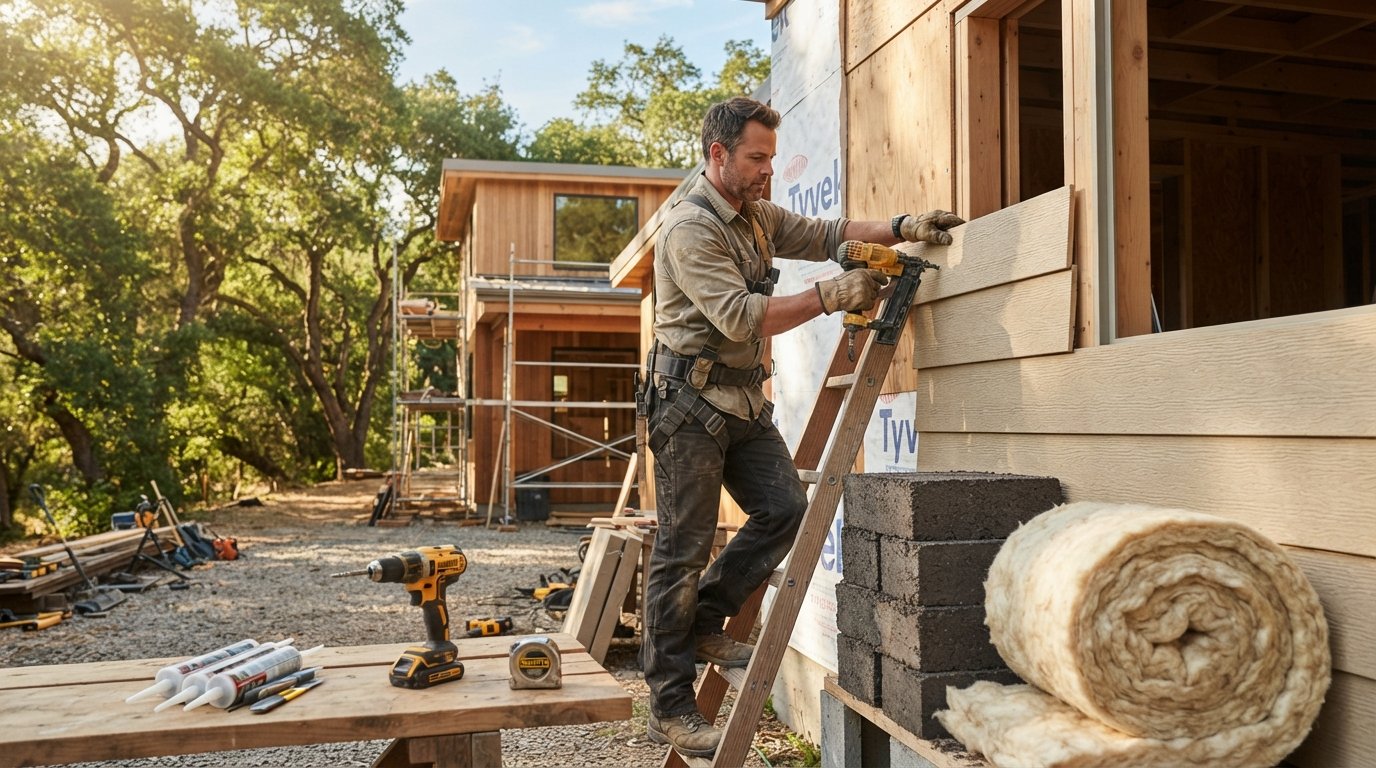
Eco Friendly Building Materials for Home Additions
Discover how eco friendly building materials for home additions can slash energy costs, improve indoor air quality, and boost your home's resale value.
By Adnan Nazir
Learn more about Home Remodeling for guides, costs, and what to expect.
Compare Home Remodeling Pros Near You

Enter your ZIP code to compare top-rated local professionals and request free quotes.
Adding square footage to your home is an exciting way to gain space for a growing family, a home office, or a rental suite. But the construction process can also leave a heavy footprint on the planet. If you are planning an expansion, the choices you make now can lower your energy bills for decades, reduce waste in landfills, and create a healthier indoor environment. The challenge is knowing which products truly deliver on their green promises and which ones are just marketing hype.
In this guide, we break down the most reliable eco friendly building materials for home additions, explain how to compare them on cost and performance, and show you how to work with a contractor who shares your sustainability goals. You will also learn how to balance upfront expenses with long term savings, so your new space is as kind to your budget as it is to the earth. Whether you are adding a bedroom above the garage or a sunroom off the kitchen, these material strategies will help you build smarter.
Why Your Choice of Building Materials Matters More Than You Think
Homes in the United States account for a significant portion of global carbon emissions, and the construction sector alone generates massive amounts of waste each year. When you choose conventional materials like virgin lumber, petroleum based insulation, and energy intensive concrete, you are locking in environmental costs that are paid long after the last nail is driven. On the other hand, eco friendly building materials for home additions can reduce embodied carbon, which is the total greenhouse gas emitted during extraction, manufacturing, and transportation.
Beyond the global picture, your material choices directly affect your family's health. Many standard building products offgas volatile organic compounds (VOCs) into your indoor air, which can trigger allergies, asthma, and other respiratory issues. Green materials often have lower VOC levels, and some even improve air quality by regulating humidity or filtering pollutants. In a home addition, where you are creating a new living space that will be occupied for decades, these health benefits are not just nice to have; they are essential.
The Top Eco Friendly Building Materials for Home Additions
You do not need to sacrifice style or durability to build sustainably. In fact, many green materials outperform their conventional counterparts in strength, longevity, and thermal performance. Here are the categories that matter most for a new addition, along with specific products you can confidently specify.
Structural Framing: Beyond Conventional Lumber
Framing is the skeleton of your addition, and it is one of the largest material volumes in any project. Instead of standard dimensional lumber, consider these greener alternatives:
- Bamboo: It is technically a grass, not a tree, and it reaches harvest maturity in 3 to 5 years, making it a rapidly renewable resource. Engineered bamboo products are strong enough for structural use and are also resistant to pests and moisture.
- Reclaimed wood: Salvaged beams and planks from old barns, factories, and deconstructed homes add character while preventing usable timber from going to a landfill. It is an excellent choice for exposed rafters, accent walls, and floor joists when properly graded.
- Steel studs: Recycled steel is infinitely recyclable and does not warp, rot, or attract termites. While steel has high embodied energy, using high recycled content lowers that impact significantly, and its durability means you will not need to replace it for a very long time.
Your contractor can help you evaluate which framing material makes sense for your climate, design, and budget. For example, bamboo is popular in tropical regions, while steel is more common in areas with high termite pressure or wildfire risk. Reclaimed wood works beautifully in many architectural styles, but it may require more careful engineering to meet modern load requirements.
Insulation: The Key to Energy Efficiency and Comfort
Insulation is arguably the most important component for reducing your addition's operational energy use. A well insulated room stays warmer in winter and cooler in summer, so your HVAC system does not have to work as hard. Green insulation options have come a long way in recent years:
- Sheep's wool: This natural fiber absorbs and releases moisture without losing its insulating value, which helps prevent mold and regulates humidity. It is also naturally fire resistant and can be installed as batts or loose fill.
- Cellulose: Made from recycled newspaper treated with non toxic fire retardants, cellulose has a high recycled content and can be blown into walls and attics to fill every gap. It performs better than fiberglass at blocking airflow.
- Cotton denim: Leftover denim from clothing manufacturing is turned into batt insulation that is free of formaldehyde and other harsh chemicals. It is soft to handle, making installation safe for your contractor.
- Rigid mineral wool: Made from volcanic rock and recycled slag, mineral wool is fireproof, water resistant, and provides excellent soundproofing. It does not settle or sag over time, so its R value stays consistent.
When you compare insulation types, pay attention to both the R value (thermal resistance) and the embodied energy. A product with a slightly lower R value but far less manufacturing pollution might be a better choice overall, especially if your climate is moderate.
Interior Finishes and Flooring
Once the structure is up, the materials you see and touch every day have a big effect on indoor air quality and your enjoyment of the space. Here is where you can get creative without compromising on style.
Low VOC Paints, Stains, and Sealants
Conventional paints and finishes can release VOCs for months after application. Look for products labeled as zero VOC or low VOC, and check for third party certifications like GREENGUARD. Use natural oil finishes for wood floors and trim instead of polyurethane, which often contains harsh solvents. These healthier alternatives are now widely available in every color and sheen, so you do not have to limit your palette.
Sustainable Flooring Options
Flooring takes a beating, so you need something durable, but that does not mean you have to choose vinyl or laminate made from PVC. Consider these attractive, environmentally sound options:
- Cork: Harvested from the bark of cork oak trees without cutting them down, cork is a renewable resource that naturally resists mold and insects. It is soft underfoot, provides acoustic insulation, and comes in many colors and patterns.
- Linoleum: Made from linseed oil, pine rosin, cork dust, and wood flour on a jute backing, linoleum is biodegradable and naturally antibacterial. It is not the same as vinyl, and it is surprisingly durable, with a lifespan of 25 to 40 years.
- Reclaimed hardwood: If you love the look of wood, reclaimed planks offer character and history while saving old growth trees. They are often more stable than new wood because they have already dried and settled over decades of use.
- Bamboo flooring: Available in many colors and plank widths, bamboo is harder than many hardwoods, making it a great choice for high traffic areas. Choose a manufacturer that uses low emission adhesives.
Each flooring material has its own care requirements, so ask your contractor about maintenance before you make a final decision. For example, cork and linoleum need periodic sealing to protect against moisture, while bamboo and reclaimed wood require routine sweeping and occasional refinishing.
Roofing and Exterior Cladding
The exterior of your addition is your first line of defense against the elements. Eco friendly building materials for home additions include not just what is inside the walls but also what covers them. A cool roof reflects sunlight instead of absorbing it, which can cut cooling costs dramatically. Metal roofing with recycled content is one of the most sustainable options; it can last 50 years or more and is fully recyclable at the end of its life. Alternatively, look for asphalt shingles made from recycled materials, or even wood shingles from sustainably managed forests.
For siding, fiber cement made with recycled fly ash is a durable, low maintenance choice that resists fire and insects. Another option is reclaimed brick or stone, which adds timeless beauty and requires zero new manufacturing. If you prefer a modern look, consider corrugated steel panels made from recycled steel, which can be installed vertically for a sleek aesthetic. Whatever you choose, make sure the material is appropriate for your local climate and that it comes with a solid warranty.
Windows and Doors: Let the Light In, Keep the Heat Out
Poorly performing windows can undermine all your other energy efficiency efforts. Look for double or triple pane windows with low emissivity (low E) glass and insulated frames. These windows reduce heat transfer in both directions, keeping your addition comfortable year round. Frames made from fiberglass or recycled aluminum are more sustainable than vinyl, and wood frames from certified forests are a classic choice. When you select windows, check the U factor and solar heat gain coefficient (SHGC); lower U factors mean better insulation, while the right SHGC depends on your climate and orientation.
Doors are just as important, especially if your addition opens to a patio or garden. Insulated fiberglass doors with a foam core provide excellent thermal performance and require little maintenance. Sliding glass doors with low E glass and a warm edge spacer can also bring in natural light without sacrificing efficiency. If you live in a very cold climate, consider a storm door to add an extra layer of protection.
Water Conservation and Indoor Air Quality
An eco friendly addition is not just about materials; it is also about how you use resources inside the space. Install low flow faucets, showerheads, and dual flush toilets to cut water use significantly. A tankless water heater provides hot water on demand, which eliminates the standby energy losses of a storage tank. For ventilation, choose an energy recovery ventilator (ERV) that exchanges stale indoor air with fresh outdoor air while recovering the heat or coolness from the outgoing stream. This keeps your addition fresh and healthy without spiking your utility bills.
You can also incorporate passive solar design principles into your addition. For example, placing windows on the south side of the room in the northern hemisphere allows the sun to warm the space in winter, while overhangs block the high summer sun. Thermal mass materials like concrete or tile can absorb heat during the day and release it at night, stabilizing temperature swings. These design strategies work hand in hand with your material choices to maximize comfort and efficiency.
How to Vet Green Products and Avoid Greenwashing
The market for sustainable building products is growing quickly, but not every product that claims to be green lives up to the label. Greenwashing, where companies exaggerate their environmental benefits, is a real problem. To protect your investment, look for third party certifications such as:
- Forest Stewardship Council (FSC) for wood products
- Cradle to Cradle for overall product sustainability
- Energy Star for windows, appliances, and HVAC equipment
- GreenGuard or FloorScore for low emitting interior products
Ask your contractor to provide the product data sheets and certifications before you purchase. Do not be afraid to compare multiple brands, because the greenest product in one category might not be the best fit for your project. Also consider the full life cycle: a product that is highly recyclable but must be shipped across the country might have a larger carbon footprint than a local alternative. Sometimes the most sustainable choice is the one that is already available near your job site.
Cost Considerations and Return on Investment
Many homeowners assume that eco friendly building materials for home additions are always more expensive, but that is not necessarily true. Some products, like reclaimed wood, can cost more than new lumber, but others, such as cellulose insulation, are comparable in price to fiberglass. In addition, green materials often lead to lower energy bills, which can offset the initial premium over time. A well insulated, airtight addition can save you hundreds of dollars every year, and high performance windows and doors add to those savings.
Furthermore, some states and utilities offer rebates or tax incentives for using energy efficient materials and appliances. Check with your local energy provider and the Database of State Incentives for Renewables and Efficiency (DSIRE) to see what programs are available in your area. These incentives can dramatically reduce your upfront cost, making the sustainable choice even more attractive. When you plan your budget, include these potential savings, and ask your contractor to help you estimate the payback period for different upgrades.
Working With a Contractor Who Prioritizes Sustainability
Your choice of materials is only as good as the contractor who installs them. A skilled professional will know how to handle green products correctly, from ensuring proper ventilation for wool insulation to using the right fasteners for reclaimed wood. They can also help you source materials locally, reduce waste, and recycle construction debris. When you interview contractors, ask about their experience with sustainable building and request references from past green projects.
If you are looking for a qualified professional, our guide on driveway installation offers similar advice on vetting and comparing bids, which applies equally to any home addition project. For a comprehensive approach to your whole project, consider using a service like 180Remodel, which connects you with contractors who specialize in remodeling and renovation. Their network includes professionals experienced in all types of home improvements, so you can find someone who understands your green goals and can execute them with precision.
Before you sign a contract, be sure to review the material list and ask for alternatives if a product does not meet your sustainability standards. A good contractor will be happy to work with you to find the right balance of cost, performance, and environmental impact. Also, agree in writing about how construction waste will be handled; a commitment to recycling and donating usable materials can significantly reduce your project's footprint.
Making Your Home Addition Truly Green
Building an eco friendly home addition is a rewarding journey that benefits your family, your community, and the planet. By choosing materials that are renewable, recycled, and low emitting, you create a space that is comfortable, healthy, and efficient for decades to come. Every decision, from the framing in the walls to the paint on the ceiling, is an opportunity to make a positive impact. Even small choices, like using low VOC caulk or installing a programmable thermostat, add up to big differences over the life of your home.
Start by setting clear sustainability goals with your contractor and your designer. Decide which factors matter most to you, whether it is reducing carbon emissions, improving indoor air quality, or saving money on utilities. Then, use the product categories and certifications listed in this guide to make informed selections. Remember that no material is perfect, and the best choice is often the one that balances multiple priorities. With careful planning and the right team, you can build an addition that you are proud of, not only for how it looks but for what it represents.
The journey toward a greener home does not end when construction is complete. After you move into your new space, maintain it with eco friendly practices, such as using natural cleaning products and scheduling regular HVAC tune ups. These habits will extend the life of your addition and continue to reduce its environmental impact. By taking these steps, you are not just adding square footage to your house; you are adding value to your life and leaving a lighter footprint for the next generation.