
Preventing Mold Growth After Water Damage: A Homeowner's Guide
Prevent mold after water damage with our guide. Call (833)-439-3727 for expert contractor referrals and protect your home.

By Alice Miller
Learn more about Mold Inspection and Removal for guides, costs, and what to expect.
Compare Mold Inspection and Removal Pros Near You

Enter your ZIP code to compare top-rated local professionals and request free quotes.
Water damage in a home is stressful enough. The last thing you need is mold turning a manageable cleanup into a health hazard and a costly remediation project. Mold can start growing within 24 to 48 hours after water intrusion, so the clock is ticking the moment you discover a leak, a flood, or even a slow drip behind a wall. Acting fast and knowing the right steps can mean the difference between a few days of drying and weeks of professional remediation.
This guide walks you through the critical window, the techniques that work, the materials you must toss, and when to call in a certified mold remediation contractor. You will also learn how to verify credentials and avoid common mistakes that let mold come back.
The 24-to-48-Hour Window: Why Speed Matters
Mold spores are everywhere in the air, both indoors and outdoors. They only need moisture to settle and start growing. When water damages your home, whether from a burst pipe, a leaking roof, or a flooded basement, those spores land on wet surfaces and begin to colonize. Under the right conditions, visible mold can appear in as little as 24 to 48 hours. The longer moisture remains, the deeper the mold roots grow into porous materials, making it harder and more expensive to remove.
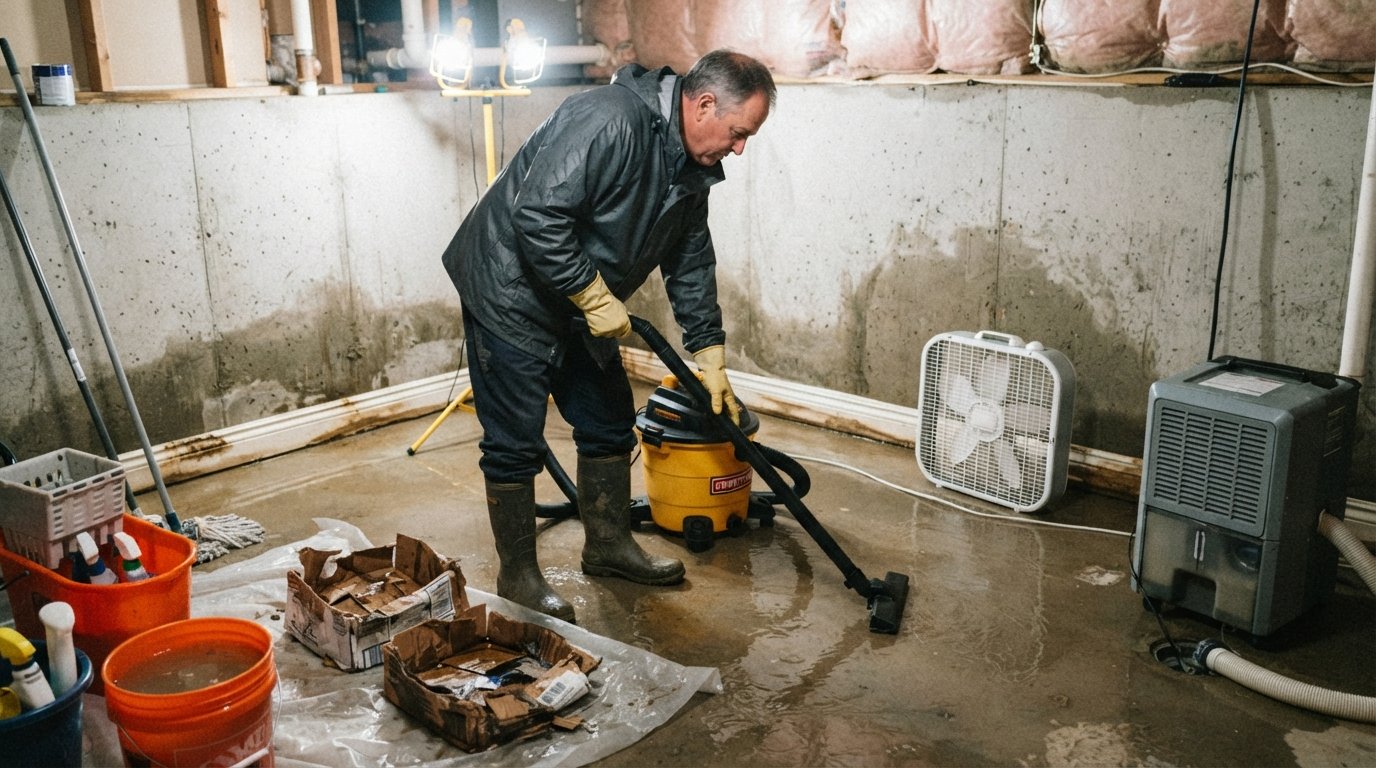
The first 24 hours are your best chance to prevent mold growth after water damage in a home. Start by stopping the water source if possible. If the leak is from a pipe, shut off the main water valve. If it is a roof leak, place buckets and tarp the area if safe. Then remove standing water with a wet/dry vacuum or pump. Move furniture, rugs, and other items away from the wet area to allow air circulation. Even if you plan to call a professional, these initial steps buy you time.
Within the first 48 hours, you should have the affected area drying and any saturated materials either removed or being actively dried. If water has soaked into drywall, carpet, or insulation, those materials may need to be removed and replaced. The key is to eliminate moisture before mold has a chance to establish a foothold.
Drying Techniques: When Fans and Dehumidifiers Are Not Enough
Air movers and dehumidifiers are the workhorses of water damage drying. Air movers increase evaporation by circulating air over wet surfaces, while dehumidifiers remove moisture from the air, preventing it from settling back into materials. For small, contained spills, a few household fans and a dehumidifier may suffice. But for larger water damage events, especially those involving wall cavities or subfloor, professional-grade equipment is often necessary.
Here is what you need to know about effective drying:
- Use the right equipment: Household fans are not powerful enough for significant water damage. Rent or purchase commercial air movers and a refrigerant or desiccant dehumidifier. These machines move far more air and remove moisture much faster.
- Target hidden moisture: Water travels. It wicks up drywall, seeps under baseboards, and soaks into subfloor. Use a moisture meter to check for hidden dampness in walls, ceilings, and floors. If you find elevated readings, you may need to remove baseboards or cut small inspection holes to dry the cavity.
- Control the environment: Mold thrives in warm, humid conditions. Keep indoor humidity below 60 percent (ideally 30 to 50 percent). Run the HVAC system on fan mode to help circulate air, but if the outdoor humidity is high, keep windows closed and rely on dehumidification.
- Monitor progress: Drying a home is not a set-it-and-forget-it task. Check moisture levels daily. Materials are considered dry when readings are within 2 to 3 percentage points of a dry reference sample. This can take three to five days or longer, depending on the extent of water damage.
If after 48 hours you still see condensation on windows, feel dampness in the air, or your moisture meter shows high readings, fans and dehumidifiers alone may not be enough. In such cases, call a professional water damage restoration company. They have the equipment and expertise to dry challenging areas, such as wall cavities and crawlspaces, and can prevent mold from taking hold.
Materials That Must Be Removed vs. Dried in Place
Not all wet materials can be saved. Porous materials that have been soaked for more than 48 hours are likely to harbor mold and should be removed. Non-porous materials can often be dried and cleaned. Knowing the difference is crucial for preventing mold growth after water damage in a home.
Materials that typically must be removed and discarded:
- Drywall and plasterboard that have absorbed water (especially if the water was contaminated or has been wet for more than 48 hours).
- Insulation (fiberglass or cellulose) that has been soaked; it loses effectiveness and becomes a mold magnet.
- Carpet and padding that have been wet for more than 48 hours or exposed to sewage or floodwater.
- Upholstered furniture, mattresses, and pillows that have been soaked.
- Ceiling tiles and wood products (like particleboard) that have swelled or delaminated.
Materials that can often be dried and cleaned:
- Hardwood flooring, if dried quickly and properly (may require specialized drying equipment).
- Tile, concrete, and metal surfaces.
- Solid wood furniture and cabinets (if dried and treated promptly).
- Vinyl or laminate flooring if water has not seeped underneath.
- Plumbing fixtures and appliances.
When in doubt, consult a professional. Removing materials that could be saved is wasteful, but keeping materials that harbor mold can lead to health problems and structural damage. A certified mold inspector or water damage restoration specialist can help you make the call.
For homeowners who need help finding qualified contractors to handle water damage restoration or mold remediation, PlanRemodel offers a directory of pre-vetted professionals across the United States. Their platform can connect you with local experts who can assess the damage and recommend the best course of action.
Health Signs That Warrant Professional Remediation and Testing
Mold exposure can cause a range of health issues, from mild allergies to serious respiratory problems. If you or your family members experience symptoms after water damage, it is a sign that mold may already be present and that professional remediation is needed. Common symptoms include:
- Persistent coughing, sneezing, or wheezing
- Runny nose, congestion, or sinus headaches
- Eye irritation (redness, itching, watering)
- Skin rashes or irritation
- Shortness of breath or difficulty breathing
- Worsening of asthma or other respiratory conditions
If you notice these symptoms, especially if they improve when you leave the house, mold may be growing in the home. Other signs that indicate the need for professional remediation include:
- Visible mold growth larger than 10 square feet
- A musty, earthy odor that persists even after cleaning
- Water damage that has gone untreated for more than 48 hours
- Mold growth in HVAC systems or ductwork
- Recurring mold problems after previous cleanup attempts
Professional mold remediation involves containment, removal of contaminated materials, cleaning of surfaces, and air filtration using HEPA vacuums. A certified remediator will follow established protocols to ensure mold is properly removed and does not spread to other areas of the home. Testing, such as air sampling or surface sampling, may be recommended to confirm the presence of mold and to verify that remediation was successful.
Choosing a Mold Remediation Contractor and Verifying Certifications
Not all mold remediation companies are created equal. Hiring an unqualified contractor can lead to incomplete remediation, recurring mold problems, and unnecessary expense. Here is how to choose a reputable professional and verify their credentials.
First, look for certifications from recognized industry organizations. The Institute of Inspection, Cleaning and Restoration Certification (IICRC) offers the Water Damage Restoration Technician (WRT) and Applied Microbial Remediation Technician (AMRT) certifications. These indicate that the contractor has been trained in proper water damage restoration and mold remediation techniques. Additionally, some states require mold remediation contractors to be licensed; check with your state's licensing board.
Second, ask for proof of insurance. A legitimate contractor should carry both general liability insurance and workers' compensation insurance. This protects you from liability if a worker is injured on your property or if damage occurs during the remediation process.
Third, request references and check online reviews. A reputable contractor will be happy to provide references from past clients. Look for patterns in reviews: consistent complaints about incomplete work or mold returning are red flags.
Fourth, get multiple written estimates. The scope of work should include containment measures, removal of affected materials, cleaning and disinfection, drying, and post-remediation verification (such as clearance testing). Be wary of estimates that seem unusually low or high.
Finally, ask about their process for preventing cross-contamination. Mold spores can spread easily if not contained. A good contractor will use plastic sheeting to seal off the work area, maintain negative air pressure with HEPA filtration, and wear appropriate personal protective equipment.
For homeowners seeking pre-vetted contractors, Homes.Contractors is a valuable resource. The site provides a directory of qualified professionals, including mold remediation specialists, and allows you to request multiple free quotes. This makes it easier to compare options and choose a contractor who meets your needs and budget.
Preventing Future Mold Growth: Long-Term Strategies
Once the immediate water damage is addressed and mold is remediated, take steps to prevent future problems. Mold prevention is largely about moisture control. Here are key strategies:
- Fix leaks promptly: Inspect your home regularly for plumbing leaks, roof leaks, and window condensation. Repair any issues immediately.
- Maintain proper ventilation: Use exhaust fans in bathrooms and kitchens, and ensure clothes dryers vent outdoors. Consider adding a dehumidifier to damp basements or crawlspaces.
- Keep indoor humidity in check: Aim for 30 to 50 percent relative humidity. Use a hygrometer to monitor levels.
- Improve drainage: Ensure gutters and downspouts direct water away from the foundation. Grade soil so it slopes away from the house.
- Act fast after any water event: Even a small spill can become a mold problem if ignored. Dry wet areas within 24 to 48 hours.
By staying proactive, you can protect your home from mold and maintain a healthy living environment. Remember that preventing mold growth after water damage in a home is a race against time, but with the right knowledge and resources, you can win it.
When you need professional help, whether for water damage restoration or mold remediation, turn to trusted resources like Homes.Contractors to find qualified, pre-vetted contractors in your area. Their free quote service can connect you with local experts who can handle the job safely and effectively.