
Pipes Burst in Winter: 7 Steps to Stop the Damage
A burst pipe in winter can cause severe damage fast. Learn the 7 immediate steps to shut off water, dry your home, and file a successful insurance claim.
By Chelsea Kris
Learn more about Emergency Plumbing for guides, costs, and what to expect.
Compare Emergency Plumbing Pros Near You

Enter your ZIP code to compare top-rated local professionals and request free quotes.
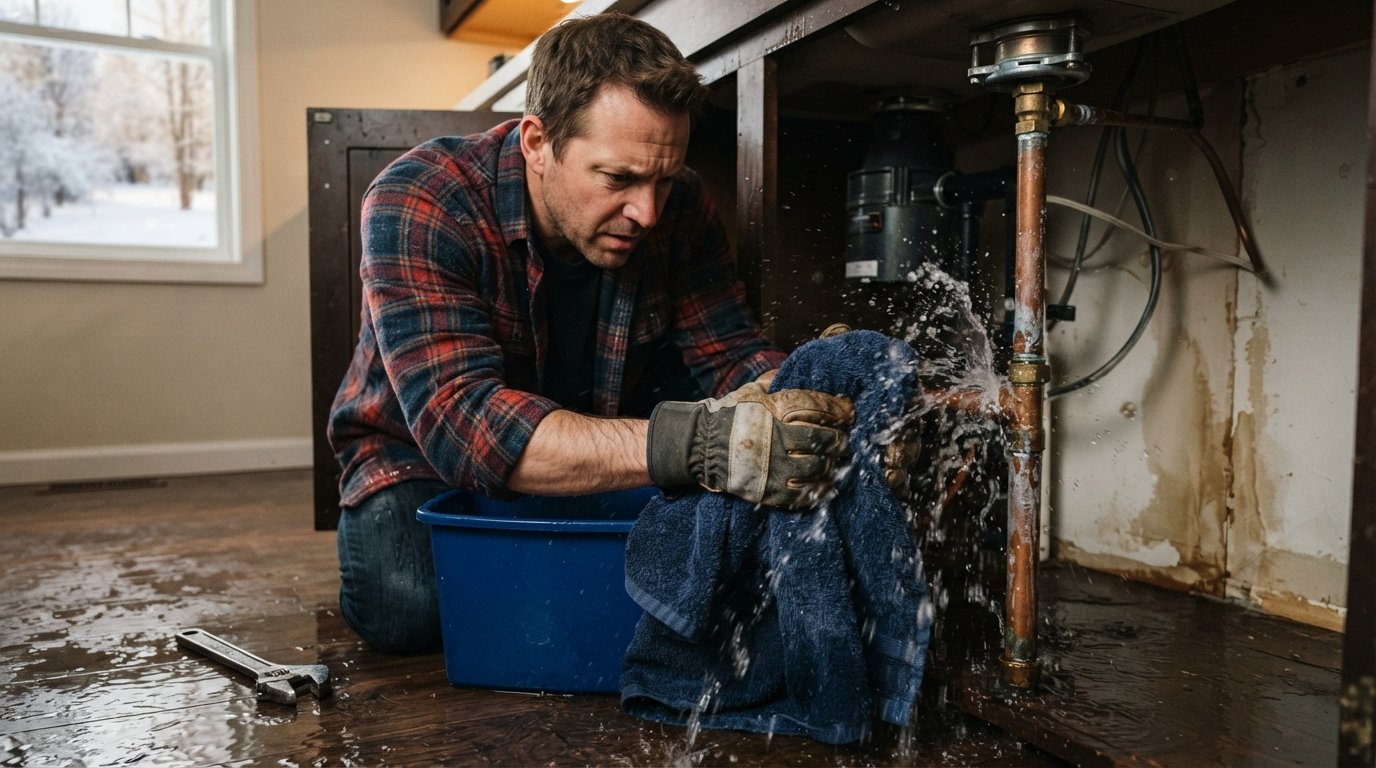
When temperatures plummet, few home emergencies feel as overwhelming as a burst pipe. One moment you are enjoying a quiet winter evening, and the next you hear a strange hissing or spraying sound behind a wall. Within minutes, water can soak through drywall, ruin flooring, and threaten your home's electrical system. If you are facing this situation right now, take a breath. You can limit the damage, protect your belongings, and speed up recovery if you act methodically. This guide walks you through exactly what to do when pipes burst in winter, from the first minute of discovery to the final repair and prevention steps.
Why Pipes Burst in Freezing Weather
Understanding why pipes fail helps you react smarter and prevent future incidents. Water expands by about 9 percent when it freezes. Inside a pipe, that expansion creates immense pressure. The ice itself does not usually crack the pipe; the pressure from the trapped water between the ice block and a closed faucet does. Even a small ice plug can cause pressure to build until the pipe ruptures at its weakest point, often at a joint or a bend.
Pipes most at risk include those in unheated crawl spaces, attics, garages, and exterior walls. Thin pipes and those with poor insulation fail first. A common misconception is that dripping faucets prevent freezing entirely, but they only reduce pressure, not the risk of ice formation. The real defense is warmth and proper insulation. Knowing these factors helps you prioritize which areas to check first during a cold snap.
Immediate Response: The First 10 Minutes
Your actions in the first ten minutes after discovering a burst pipe determine how much damage occurs. Speed matters more than anything else. Follow these steps in order, and do not skip ahead. Every minute of uncontrolled water flow causes more destruction to your home's structure and your belongings.
- Shut off the main water valve. Locate it near your water meter or where the main line enters your home. Turn it clockwise until it stops. This stops the flow of fresh water into the broken pipe.
- Turn off the electricity to affected areas. Water and electricity are a deadly combination. If there is standing water near outlets, appliances, or your electrical panel, shut off power at the main breaker only if you can do so safely and without standing in water. If you cannot reach the breaker safely, call an electrician immediately.
- Open all faucets. Turn on cold and hot water taps throughout the house. This drains the remaining water from the system and relieves pressure in other pipes that may be close to freezing.
- Flush toilets. This empties the tank and bowl, which also removes water from the supply line. Do this after you have shut off the main valve to prevent refilling.
Once you have completed these four steps, the immediate threat of continuous flooding is over. Now you can focus on locating the exact leak and beginning the cleanup process. If you cannot find the main valve quickly, or if the leak is in a ceiling or wall, call a plumber right away. Time is your enemy in this situation, and a professional can help you minimize damage.
Contain the Water and Protect Your Belongings
With the water supply off, your next priority is stopping the spread of water already in your home. Water will continue to drain from the pipes even after the main valve is closed, and the water already on the floor will seep into baseboards, under cabinets, and through floor joints. Quick action here saves you money on repairs and reduces the risk of mold growth later.
- Place buckets, trash cans, or plastic bins under active drips to catch water.
- Move furniture, rugs, and electronics away from the affected area. If you cannot move large pieces, lift them onto blocks or plastic sheeting.
- Use a wet/dry vacuum to remove standing water. If you do not own one, a mop and towels work in small areas, but be prepared to work quickly.
- Puncture a small hole in a sagging ceiling to let trapped water drain into a bucket. This prevents the ceiling from collapsing under the weight of water.
- Call your insurance company as soon as possible, ideally within 24 hours. Report the burst pipe and provide your policy number.
- Ask what documentation they require. Most insurers want photos, receipts for temporary repairs, and a list of damaged property.
- Keep every receipt for emergency supplies, such as wet/dry vacuum rentals, fans, and plumber invoices. Your insurer may reimburse you for these.
- Do not throw away damaged items until an adjuster has seen them. If you must remove them for safety, photograph them first.
- Keep the faucet open. As you thaw the pipe, water will flow, and this helps melt the ice more quickly.
- Apply heat to the section of pipe that is frozen. Use a hair dryer, a portable space heater, or towels soaked in hot water. Start from the faucet end and work backward toward the ice plug.
- Never use an open flame, such as a blowtorch or propane heater, to thaw a pipe. This is a major fire hazard.
- Check for leaks after you have thawed the pipe. Turn the water back on slowly and watch for drips.
Do not forget to document the damage for insurance purposes. Take photos and videos of the burst pipe, the water level, and any belongings that were damaged. This evidence will be crucial when you file a claim. Keep a running list of damaged items and their approximate value. Your goal is to protect yourself financially while you protect your home structurally.
Call a Professional Plumber Right Away
Even if you have stopped the flooding, you need a licensed plumber to assess the damage and make permanent repairs. A burst pipe is not a DIY job for most homeowners. The affected pipe may need to be replaced, and there could be hidden damage to other sections of your plumbing. A plumber can also check for other weak spots that might fail in the next cold snap.
When you call, ask about emergency service fees before agreeing to anything. Some plumbers charge extra for after-hours calls, and those rates can vary widely. You can find pre-vetted local plumbers through referral platforms like FreeQuotes.Contractors, which connects homeowners with qualified professionals in their area. Getting multiple quotes helps you avoid being overcharged, especially during a stressful emergency. A professional will also help you decide whether to repair or repipe, depending on the age and condition of your system.
Document the Damage for Insurance Claims
Your homeowner's insurance policy likely covers burst pipes, but only if you act correctly and document everything. Most policies cover water damage from sudden and accidental events, including freezing. However, they often exclude damage caused by neglect, such as leaving your home unheated while away for the winter. To maximize your claim, follow these steps without delay.
Be honest and thorough in your report. Do not inflate the value of damaged items, but do not underestimate either. A professional adjuster will inspect the damage and calculate your payout based on your policy's coverage limits. If you feel the offer is too low, you can negotiate with documentation. Filing a claim can raise your premiums, so weigh the cost of repairs against your deductible before deciding to file. For minor damage under your deductible, it may be cheaper to pay out of pocket.
Drying Out Your Home to Prevent Mold
After the plumber fixes the pipe and the insurance adjuster leaves, your work is not finished. The hidden enemy is moisture inside walls, under flooring, and in carpet padding. Mold can begin to grow within 24 to 48 hours, so aggressive drying is essential. Even if the visible water is gone, the structural materials in your home may still be saturated.
Rent industrial-grade dehumidifiers and high-velocity air movers from a local equipment rental company. Place them strategically to draw moisture out of walls and floors. Remove wet carpet and padding whenever possible, as these materials are almost impossible to dry completely. Cut out damaged drywall about 12 inches above the water line to allow air to circulate inside the wall cavity. If you have access to a sump pump or a pump with a hose, use it to remove large volumes of water from crawl spaces or basements. Continue the drying process for at least three to five days, and monitor moisture levels with a meter if you have one. If you see any signs of mold, such as a musty odor or discoloration, call a mold remediation specialist immediately.
How to Thaw Frozen Pipes Safely
If you catch a frozen pipe before it bursts, you can often thaw it safely and avoid a major emergency. Signs of a frozen pipe include no water coming from a faucet, frost on an exposed pipe, or a strange smell from a drain. Act carefully, because thawing too quickly can cause the pipe to crack.
If you cannot locate the frozen section, or if the pipe remains frozen after a reasonable attempt, call a plumber. They have specialized tools, such as pipe-thawing machines, that can safely clear the blockage. Also, if you have frozen pipes in multiple locations, this suggests a systemic issue with your home's insulation or heating, and you should address that before the next cold snap.
Preventing Future Bursts: Winter-Proofing Your Plumbing
Once the immediate crisis is over, you need to take steps to ensure it does not happen again. Winterizing your plumbing is not difficult, but it requires attention to detail. Start by insulating all exposed pipes in unheated areas, such as basements, attics, garages, and crawl spaces. Use foam pipe insulation sleeves or heat tape for the best protection. Pay special attention to pipes in exterior walls; you may need to open cabinet doors to let warm air circulate around them during extreme cold.
Seal any gaps or cracks in your home's exterior where cold air can reach pipes. Check around vents, electrical wiring, and pipes that enter the house. Use caulk or expanding foam to fill these gaps. During a cold snap, keep your thermostat set to at least 55 degrees Fahrenheit, even when you are away. This is the single most effective way to prevent freezing. If you plan to be away for an extended period, consider shutting off the main water valve and draining the system, or ask a neighbor to check on your home daily. Also, disconnect and drain outdoor hoses and shut off the water supply to outdoor spigots. These simple steps cost little but save you from the headache of another burst.
When to Hire a Professional vs. DIY
The question of whether to hire a professional or handle the repair yourself depends on the extent of the damage and your skill level. For a small, accessible leak in a straight section of copper or PEX pipe, a confident DIYer might be able to make a temporary repair with a pipe clamp and rubber gasket. However, this is a stopgap measure, not a permanent solution. For any leak behind a wall, in a ceiling, or in a slab foundation, you should always hire a licensed plumber. The risk of causing additional damage, such as a water hammer or a poorly sealed joint, is too high.
Professional plumbers also have the experience to spot underlying issues, such as corroded pipes or improper sloping, that you might miss. They can recommend whether you need to repipe a section or your entire home if the pipes are old and brittle. When you request quotes, be specific about the work you need done. Ask for a written estimate that includes parts, labor, and any permits. Compare at least three quotes from different contractors. This approach ensures you get a fair price and high-quality workmanship. Remember, your home is your biggest investment, and cutting corners on plumbing repairs can lead to much larger problems later.
Dealing With Water Damage: Restoration and Repair
Once the pipe is fixed and the drying process is complete, you will need to repair the structural damage. This may involve replacing drywall, installing new insulation, refinishing hardwood floors, or replacing carpet. If the water was clean (from the supply line), you can often salvage materials after thorough drying. However, if the water sat for more than 48 hours, porous materials like drywall and insulation must be replaced to prevent mold. Non-porous surfaces like tile and concrete can usually be cleaned and disinfected.
For major restoration work, hire a company that specializes in water damage restoration. They have industrial drying equipment and experience dealing with insurance claims. They can also handle mold remediation if it becomes necessary. Before you begin any repair or remodeling, obtain permits from your local building department if required. This ensures the work meets local building codes and will not cause problems when you sell your home. Use this opportunity to upgrade your home's plumbing if it is old. Consider installing a smart water leak detector, which alerts your phone to leaks before they become catastrophic. These devices are inexpensive and can be installed on main water lines or near appliances.
Finally, review your homeowner's insurance policy annually to understand what is covered and what is not. Some policies offer specific coverage for water backup or flooding, which may or may not be included in a standard policy. Knowing your coverage in advance gives you peace of mind and prevents unpleasant surprises. A burst pipe is a stressful event, but with the right knowledge and quick action, you can navigate it successfully and protect your home for years to come.
Learn more about Emergency Plumbing for guides, costs, and what to expect.
Compare Emergency Plumbing Pros Near You
Enter your ZIP code to compare top-rated local professionals and request free quotes.