
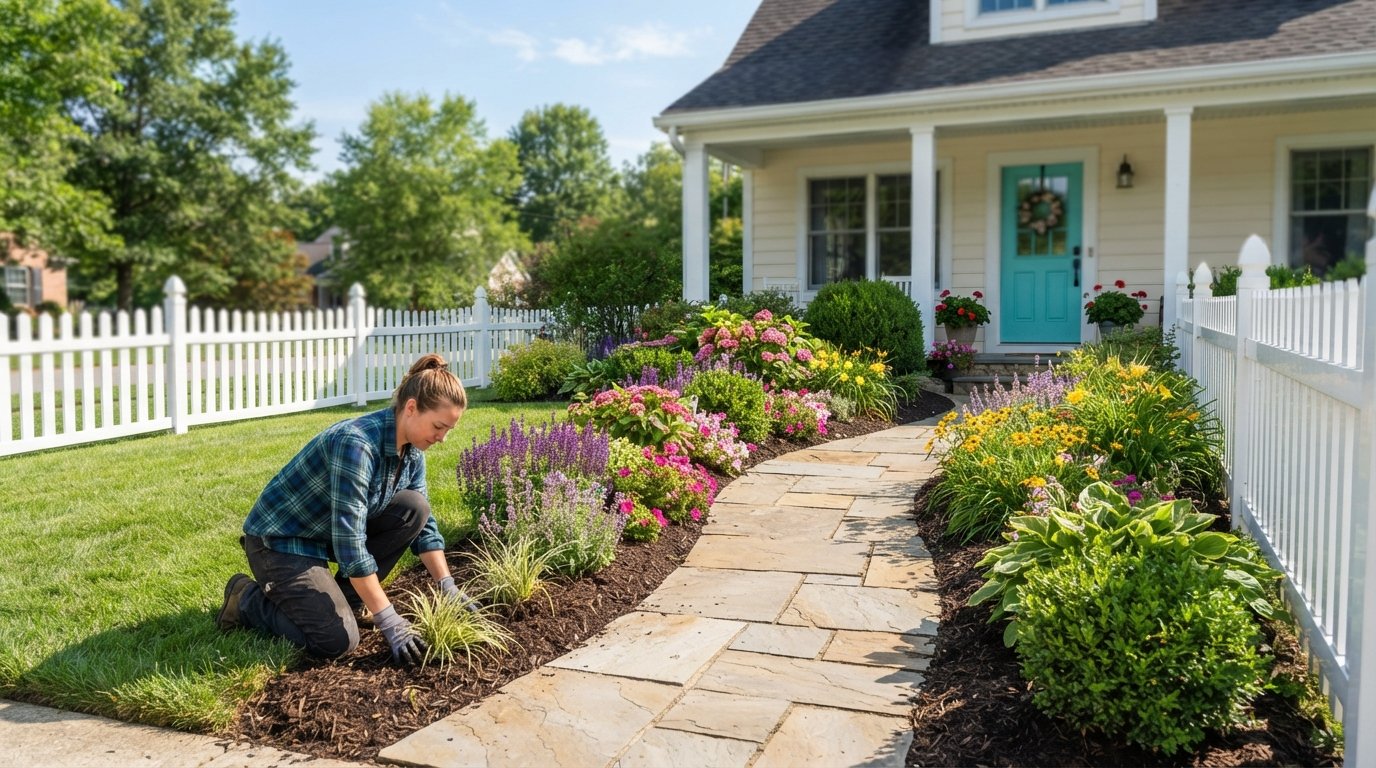
Landscaping Projects That Increase Curb Appeal Fast
Discover landscaping projects that increase curb appeal, from fresh mulch to walkway upgrades, and boost your home's value and beauty.
By Danica Leslie
Learn more about Outdoor Landscaping and Design for guides, costs, and what to expect.
Compare Outdoor Landscaping and Design Pros Near You

Enter your ZIP code to compare top-rated local professionals and request free quotes.
When you pull into your driveway after a long day, the first thing you see is your home's exterior. That initial view sets the tone for how you feel about your property, and it also shapes how neighbors, visitors, and potential buyers perceive your house. A well-designed landscape does more than just look pretty; it creates a welcoming atmosphere, boosts your home's market value, and can even make your daily routine more enjoyable. If you have been wondering which upgrades deliver the most visual punch without breaking the bank, you are in the right place.
Landscaping projects that increase curb appeal are not all about massive overhauls or expensive hardscaping. In fact, some of the most impactful changes are surprisingly simple, like refreshing your mulch, adding layered plantings, or upgrading your walkway. The key is to focus on balance, color, and maintenance. Whether you are preparing to sell your home or simply want to take pride in your property, these projects offer a strong return on investment. According to real estate experts, a well-executed landscape can add up to 10 percent to a home's value, making it one of the smartest improvements you can make.
Before you dive into any project, take a critical look at your current yard. What catches your eye first? Is it the overgrown shrubs, the cracked concrete path, or the bare patches in the lawn? Prioritize the areas that are most visible from the street. A cohesive plan that ties together your home's architecture, your driveway, and your garden beds will create a polished, intentional look. In this guide, we will walk through the most effective landscaping projects, how to plan them, and how to get the best results without overspending.
Why Curb Appeal Matters More Than You Think
Curb appeal is not just a buzzword for real estate listings. It is the visual handshake that your home offers to the world. A tidy, attractive exterior signals that the property is cared for, which builds trust and interest. For sellers, this translates directly into faster sales and higher offers. A study by the National Association of Realtors found that landscaping improvements can recoup over 100 percent of their cost at resale, making them one of the highest-return investments in home improvement.
But the benefits extend beyond selling. A beautiful front yard creates a sense of pride and calm. It can reduce stress after a busy day, encourage outdoor living, and even lower your energy bills if you plant strategic shade trees. Moreover, a well-maintained landscape can deter crime by improving visibility and making your home look occupied. For homeowners who plan to stay put, these projects are about creating a personal sanctuary that also happens to be a smart financial move.
When you decide to tackle a landscaping project, you are not just planting a few flowers or laying down sod. You are making a long-term investment in your property's aesthetics and functionality. The trick is to choose projects that align with your climate, your home's style, and your maintenance capacity. A desert-themed garden might look stunning in Arizona but would struggle in Ohio. Similarly, a formal English garden requires constant upkeep that many busy homeowners cannot sustain. The best approach is to select plants and materials that are native to your region, as they require less water, fertilizer, and care.
Planning Your Landscaping Makeover
Before you pick up a shovel, take time to plan. Start by walking around your property and taking notes. What are the current strengths and weaknesses? Sketch a rough map of your front yard, noting the location of your front door, windows, walkways, and utility lines. This map will serve as your blueprint. Consider the amount of sunlight each area receives, as this determines which plants will thrive. Also, think about how you use your outdoor space. Do you want a seating area, a play zone for kids, or a simple, low-maintenance garden?
Budget is a major factor. Landscaping projects that increase curb appeal can range from a few hundred dollars for a weekend refresh to tens of thousands for a full redesign. It is wise to set a realistic budget and stick to it. If you are planning to sell, focus on projects that offer the highest return, such as lawn care, fresh mulch, and simple plantings. For a personal project, you might prioritize a new patio or an outdoor kitchen. Remember that you can phase your project over several seasons, which allows you to spread out the cost and adjust your plan as you go.
Another crucial step is to check with your homeowners association (HOA) or local municipality for any restrictions. Some neighborhoods have rules about fence heights, plant types, or even the colors you can use on your front door. Getting approval upfront can save you from costly rework later. Additionally, always call 811 before you dig to locate underground utility lines. This free service prevents accidental damage to gas, water, or electric lines, which could be dangerous and expensive to repair.
Top Landscaping Projects to Transform Your Front Yard
Now that you have a plan, it is time to explore the specific projects that deliver the biggest visual impact. These are the landscaping projects that increase curb appeal most effectively, and they range from simple to more involved. Each one can be tailored to your taste and budget.
1. Refresh Your Mulch and Edging
One of the quickest and most affordable upgrades is to replace old, faded mulch and define your garden beds with clean edges. Fresh mulch instantly gives a neat, cared-for appearance. Choose a color that complements your home's exterior, such as dark brown or black, and apply it at a depth of two to three inches. Edging with a sharp spade or a metal edging strip creates crisp lines that separate lawn from planting areas, making the whole yard look more intentional.
This project is ideal for a weekend. You can rent an edger or do it manually with a flat shovel. Take your time to remove any grass that has crept into the beds, and consider installing a barrier to prevent regrowth. Beyond aesthetics, mulch helps retain soil moisture, suppress weeds, and regulate soil temperature, which benefits your plants. It is a small investment that pays off in both looks and plant health.
If you have large trees or shrubs, consider adding a ring of mulch around them as well. This creates a cohesive look and reduces the likelihood of lawn mower damage to the trunks. Just be careful not to pile mulch against the trunk itself, as this can cause rot. Leave a few inches of space around the base.
2. Upgrade Your Walkway and Driveway
The path to your front door is one of the first things visitors notice. A cracked, uneven concrete walkway can detract from even the most beautiful garden. Replacing it with pavers, natural stone, or stamped concrete can dramatically elevate your home's style. Pavers offer versatility in color and pattern, while natural stone provides a timeless, organic feel. Stamped concrete is a cost-effective way to mimic the look of brick or slate.
Similarly, your driveway takes up a large portion of your front yard. If it is in poor condition, consider resurfacing or replacing it. Options like permeable pavers not only look great but also help manage stormwater runoff, which is an environmental plus. For a more budget-friendly fix, you can use a concrete resurfacer to repair minor cracks and give the surface a fresh, uniform color. A clean driveway instantly improves the overall impression of your property.
When planning your walkway, think about safety as well as aesthetics. Ensure it is wide enough for two people to walk side by side (at least four feet) and that it has a non-slip surface. If you have steps, add a sturdy handrail. Good lighting along the path is essential for both safety and ambiance, so consider installing low-voltage landscape lights that illuminate the way and highlight your plantings.
3. Add Layered Plantings and Color
Planting beds filled with a mix of shrubs, perennials, and annuals add depth and interest. The key is to layer plants by height, placing taller ones in the back and shorter ones in the front. This creates a full, lush look that feels professionally designed. Choose plants that bloom at different times of the year to ensure continuous color. For example, you might have early spring bulbs, summer perennials, and fall-blooming asters. Evergreen shrubs provide structure and greenery year-round.
When selecting plants, consider their mature size to avoid overcrowding. It can be tempting to plant close together for an instant full look, but this leads to maintenance issues down the road. Give each plant enough room to grow, and use annuals or groundcovers to fill in the gaps in the meantime. Also, think about foliage color and texture. Variegated leaves, ornamental grasses, and plants with interesting seed heads add visual appeal even when they are not in bloom.
If you are new to gardening, start with low-maintenance, native plants that are adapted to your local climate. They require less water, fertilizer, and pest control, which saves you time and money. A local nursery or extension service can provide recommendations tailored to your area. For example, in the Southeast, you might use hydrangeas, azaleas, and loropetalum, while in the Southwest, agaves and desert marigolds are better choices.
4. Install Outdoor Lighting
Outdoor lighting extends the hours you can enjoy your front yard and adds a layer of safety and security. It also highlights your landscaping after dark, creating a warm and inviting ambiance. There are many types of lighting to consider: path lights to guide visitors, uplights to illuminate trees and architectural features, and wall lights to brighten the entryway. Solar-powered options are easy to install and energy-efficient, though they may not be as bright as low-voltage systems. Low-voltage lighting requires a transformer and wiring, but it offers more control and consistency.
A well-planned lighting scheme can make a small yard feel larger and a dark yard feel welcoming. Use a mix of light sources to create layers of illumination. For example, place path lights along the walkway, use spotlights on a specimen tree, and install a pendant lantern above the front door. Be mindful of light pollution; aim to light the ground and key features rather than flooding the entire yard with brightness.
If you are not comfortable working with electricity, hire a professional electrician or landscape lighting specialist. They can design a system that is safe, efficient, and tailored to your landscape. Many systems now come with smart controls, allowing you to set timers or control the lights from your phone, which is both convenient and energy-saving.
5. Maintain a Healthy Lawn
A lush, green lawn is the foundation of great curb appeal. If your grass is patchy, brown, or overrun with weeds, it will undermine every other effort you make. Regular maintenance is key: mow at the correct height for your grass type, water deeply but infrequently, and fertilize according to a schedule. Aerating your lawn once a year helps relieve soil compaction and promotes root growth. Overseeding in the fall can fill in thin areas and improve density.
If your lawn is too damaged to revive, you might consider replacing it with sod or a more drought-tolerant groundcover. In many regions, traditional turfgrass is water-intensive, so alternatives like clover, creeping thyme, or native grasses are becoming popular. These options require less mowing and watering while still providing a green, textured surface. Before making this change, research what works best in your climate and how it will look in your neighborhood.
Edging your lawn along sidewalks and driveways is a simple way to make it look sharp, and it takes only a few minutes each week. Use a string trimmer or an edging tool to create a clean line. Also, keep your lawn free of leaves and debris, especially in the fall. A well-maintained lawn signals that the rest of the property is cared for, which is exactly the impression you want to make.
Hiring a Professional vs. DIY
Some landscaping projects are perfect for a weekend warrior, while others require professional expertise. Simple tasks like mulching, planting annuals, and installing solar lights are manageable for most homeowners. However, projects that involve grading, drainage, large tree removal, or complex hardscaping should be left to the pros. Not only do they have the right equipment, but they also understand local building codes and soil conditions.
When you decide to hire a contractor, it pays to do your research. Get multiple quotes and ask for references. A reputable landscaper will be licensed and insured, and they will provide a detailed contract that outlines the scope of work, timeline, and payment schedule. Be wary of any contractor who asks for a large deposit upfront. Instead, look for one who is willing to work with you on a payment plan tied to project milestones.
One of the best ways to find qualified professionals is through a referral platform like 180Remodel, which connects homeowners with vetted contractors for a variety of home improvement projects, including landscaping. By using a service that pre-screens contractors, you save time and reduce the risk of hiring someone who is not up to the task. You can also request multiple quotes, which helps you compare prices and services to ensure you get the best value for your budget.
Budgeting for Your Landscaping Project
Landscaping costs can vary widely depending on the scope of the project, the materials you choose, and whether you hire help. On average, homeowners spend between $1,000 and $5,000 on front yard landscaping, but this can climb higher for extensive renovations. To avoid sticker shock, create a detailed budget that includes materials, labor, permits, and a contingency fund of at least 10 percent for unexpected issues.
If you are on a tight budget, prioritize projects that offer the most visual impact for the least cost. For example, refreshing mulch, trimming shrubs, and planting a few colorful annuals can transform your yard for under $200. Over time, you can add larger features like a new walkway or a patio. Another cost-saving tip is to buy plants in smaller sizes; they will catch up to larger ones within a year or two and cost significantly less.
Financing is an option if you need to tackle a larger project. Many homeowners use home equity loans or personal lines of credit, but you can also ask your contractor about payment plans. Some companies offer financing through third-party providers with promotional rates. Be sure to read the fine print and understand the interest rates and terms before signing anything.
Seasonal Tips for Year-Round Appeal
Landscaping projects that increase curb appeal are not a one-time effort. To keep your home looking its best, you need to maintain your landscape throughout the year. In the spring, focus on cleaning up winter debris, pruning, and planting new flowers. Summer is all about watering, weeding, and mowing. In the fall, rake leaves, aerate the lawn, and plant bulbs for next spring. Winter is a good time for hardscaping projects or planning your spring design.
One way to maintain interest is to incorporate plants with year-round appeal. Evergreens, ornamental grasses, and shrubs with colorful bark provide structure in winter. Spring and summer bring blooms, while fall offers foliage color. By choosing a mix of these, you ensure that your yard looks intentional in every season. Also, consider adding a few containers near the front door that you can swap out seasonally. A pot of tulips in spring, colorful annuals in summer, and a pumpkin display in fall keeps your entryway fresh.
Finally, do not forget the small details. A new house number, a fresh coat of paint on the front door, or a stylish mailbox can complement your landscaping and tie the whole look together. These touches are inexpensive but have a significant impact. When you combine them with a well-planned landscape, your home will stand out for all the right reasons.
In the end, the goal is to create a front yard that feels welcoming and reflects your personal style. Whether you take on a single project or a full redesign, every improvement you make adds to your home's beauty and value. Start with a plan, set a budget, and enjoy the process of transforming your outdoor space. Your home, and your future buyers if you ever sell, will thank you.
Learn more about Outdoor Landscaping and Design for guides, costs, and what to expect.
Compare Outdoor Landscaping and Design Pros Near You
Enter your ZIP code to compare top-rated local professionals and request free quotes.