
How to Make Appliances Last Longer: 12 Proven Tips
Extend the life of your appliances with these practical tips. Save money, reduce waste, and avoid unexpected breakdowns with simple maintenance habits.
By Alexia Mabel
Learn more about Appliance Repair or Maintenance for guides, costs, and what to expect.
Compare Appliance Repair or Maintenance Pros Near You

Enter your ZIP code to compare top-rated local professionals and request free quotes.
When a refrigerator stops cooling or a washing machine starts making that grinding noise, the first thought is often about the cost of a replacement. Major appliances are a significant investment, and nobody wants to face an unexpected purchase. The good news is that most appliance failures are not inevitable. They are often the result of neglect, improper use, or simple oversights that you can easily correct. With a few consistent habits and a little preventive care, you can add years to the life of your most valuable home equipment. This guide offers practical, actionable tips to help you protect your investment and avoid the hassle and expense of premature breakdowns.
Why Appliance Lifespan Matters More Than You Think
Extending the life of your appliances goes beyond saving money on replacements. It also reduces your environmental footprint, as manufacturing new appliances consumes significant resources. Furthermore, a well-maintained appliance operates more efficiently, which translates directly into lower energy and water bills. For example, a refrigerator with dirty coils uses more electricity to keep your food cold, and a dryer with a clogged vent takes longer to dry clothes, wasting both energy and time.
From a financial planning perspective, knowing how to make appliances last longer tips your budget in your favor. Instead of setting aside thousands of dollars for a new stove or dishwasher, you can allocate those funds to other home improvements or savings. This proactive approach aligns perfectly with the resources available at FreeQuotes.Contractors, which connects homeowners with vetted professionals for maintenance and repair tasks that you might not want to tackle yourself. By combining your own daily habits with professional tune-ups, you create a powerful strategy for longevity.
Establish a Regular Cleaning Routine
Dust, dirt, and grime are the enemies of all mechanical devices. They act as insulators, causing motors to overheat and work harder. A simple cleaning routine can prevent many common issues. For instance, your refrigerator's condenser coils, usually located at the bottom or back, are notorious for collecting dust. When these coils are dirty, the compressor has to run longer and hotter, significantly shortening its lifespan. You should vacuum these coils at least twice a year.
Similarly, your dryer's lint trap is a critical maintenance point. Cleaning it after every single load is non-negotiable for both efficiency and fire safety. But beyond the lint trap, the dryer vent hose itself can become clogged over time. This not only makes drying slower but also poses a serious fire hazard. Periodically disconnect the hose and vacuum it out. Also, take time to clean the gasket on your dishwasher door and wipe down the inside of your oven to prevent buildup that can affect performance and create unpleasant odors.
Specific Cleaning Tasks for Key Appliances
To make this easier, here is a simple checklist of cleaning tasks and their recommended frequency:
- Refrigerator coils: Vacuum every 6 months to ensure proper heat exchange.
- Dryer lint trap: Clean after every load; inspect vent hose quarterly.
- Dishwasher filter: Rinse and scrub monthly to prevent clogs and odors.
- Oven and cooktop: Wipe spills immediately and deep clean quarterly to prevent corrosive buildup.
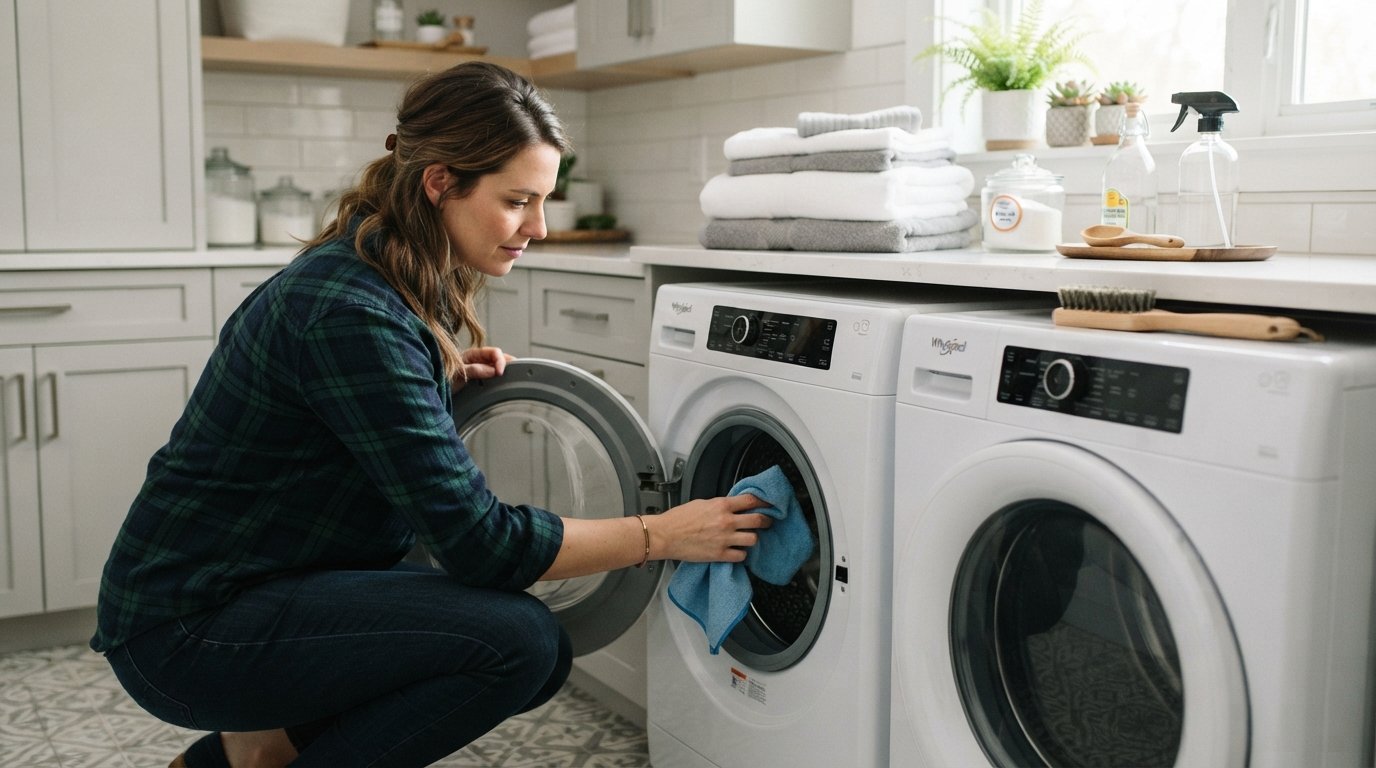
- Washing machine seal: Wipe the rubber gasket and leave the door open to air out after each use.
By incorporating these tasks into your regular home maintenance schedule, you are actively preventing the wear and tear that leads to costly repairs. This simple, consistent effort is one of the most effective ways to ensure your appliances serve you well for many years.
Use Appliances Correctly to Prevent Damage
How you use an appliance on a daily basis has a huge impact on its longevity. Many people overload washing machines and dryers, which strains the motor, bearings, and suspension. Always follow the manufacturer's guidelines for load sizes. Overloading not only causes poor cleaning results but can also lead to premature failure of belts and pulleys. Similarly, cramming too many dishes into your dishwasher can block the spray arms and prevent proper water circulation, leaving residue and potentially damaging the heating element.
Another common mistake is using the wrong settings. For example, running your washing machine on hot water for every load can cause wear on fabrics and increase energy consumption, but it also puts extra stress on the machine's heating element. Use cold or warm water when appropriate. Furthermore, avoid using your garbage disposal as a catch-all. Hard items like bones, fruit pits, and fibrous vegetables like celery can damage the blades and clog the drain lines. Run cold water before, during, and after use to help flush debris through the system.
The Importance of Proper Installation and Leveling
An appliance that is improperly installed or not level can experience a host of problems. A washing machine that is not level can vibrate excessively, damaging the floor and its own internal components. The same goes for a refrigerator, which needs to be level so the door seals properly. If the door doesn't close fully, cold air escapes, making the compressor work harder and increasing your energy bill. Check the level of your appliances periodically and adjust the feet if necessary.
For permanent installations like dishwashers and ranges, ensure that all connections are secure, especially the water lines and electrical hookups. A loose connection can cause water leaks or electrical shorts, both of which can be dangerous and damage the appliance. If you are not comfortable with these installations, it is always wise to hire a professional. Getting a free quote from a qualified contractor can give you peace of mind that the job is done right, which is a foundational step in extending your appliance's life.
Don't Ignore Small Issues: Address Them Early
One of the most common and costly mistakes homeowners make is ignoring small problems. A minor leak under the sink, a strange noise from the refrigerator, or a dishwasher that doesn't fully dry the dishes are all warning signs. These minor issues rarely resolve themselves; they usually get worse. A small leak can lead to water damage, mold, and a ruined floor. A strange noise could be a worn-out bearing or a failing motor, which will eventually die completely.
When you notice these signs, take action immediately. Sometimes the fix is simple, like cleaning a filter or tightening a connection. Other times, it requires the expertise of a professional. Trying to diagnose and repair complex issues yourself can sometimes void warranties or create more damage. A quick service call to address a small issue can prevent a major breakdown later, saving you hundreds or even thousands of dollars in replacement costs and potential property damage.
Protect Against Power Surges and Voltage Fluctuations
Your home's electrical supply is not always perfectly stable. Power surges, which can be caused by lightning strikes, grid switching, or even the cycling on and off of high-power appliances like your HVAC system, can damage the sensitive electronics in modern appliances. These surges can degrade internal components over time, leading to premature failure even if the appliance appears to work fine afterward.
To protect your investment, consider installing whole-house surge protection at your electrical panel. This provides a first line of defense for all your appliances. Additionally, using power strips with built-in surge protection for smaller appliances and electronics is a simple and effective measure. For major appliances like refrigerators and washing machines, a dedicated surge protector or a whole-house system is highly recommended. This is a small upfront cost that can prevent the loss of expensive equipment.
When to Repair vs. When to Replace
Even with the best care, all appliances eventually reach the end of their useful life. Knowing when to repair and when to replace is a key skill for any homeowner. A good rule of thumb is the 50% rule: if the cost of a repair is more than 50% of the price of a new appliance, and the appliance is over 8 years old, it is often more cost-effective to replace it. However, this is not a hard and fast rule. If the appliance is relatively new and the repair is minor, it is almost always worth fixing.
Also, consider the efficiency of the appliance. Older models are significantly less energy-efficient than modern ones. A new ENERGY STAR certified refrigerator or washing machine can save you money on your utility bills, which can offset the cost of the new unit over time. If your current appliance is over 10 to 15 years old and requires a major repair, the most economical choice is often to replace it with a new, more efficient model. This is where getting multiple quotes from contractors can help you make an informed decision about the cost of installation versus the cost of a repair.
Leverage Professional Maintenance Services
While there is much you can do yourself, some maintenance tasks are best left to professionals. HVAC systems, water heaters, and complex appliances like built-in ovens have components that require specialized knowledge and tools to service. A professional technician can perform a thorough inspection, identify potential problems early, and perform tune-ups that keep your systems running at peak efficiency. This is especially important for gas appliances, where a mistake can be dangerous.
Scheduling an annual professional check-up for your major systems is a wise investment. Many homeowners use a service like FreeQuotes.Contractors to find local, pre-vetted technicians for these tasks. By having a pro inspect your equipment, you can catch minor issues before they escalate, ensuring your appliances have a long and productive life. This proactive approach is a hallmark of smart homeownership and directly supports the goal of maximizing your investments.
In conclusion, making your appliances last longer is not about luck; it is about consistent care and attention. By establishing a regular cleaning routine, using your appliances correctly, addressing small issues promptly, and leveraging professional help when needed, you can significantly extend their lifespan. These simple practices will save you money, reduce stress, and keep your home running smoothly for years to come. Start implementing these tips today, and you will be rewarded with reliable performance and more money in your pocket.
Learn more about Appliance Repair or Maintenance for guides, costs, and what to expect.
Compare Appliance Repair or Maintenance Pros Near You
Enter your ZIP code to compare top-rated local professionals and request free quotes.