
How to Find Affordable Home Repair Contractors on a Budget
Find affordable home repair contractors on a budget without sacrificing quality. Call (833)-439-3727 to get matched with vetted local pros today.
By Adnan Nazir
Learn more about General Contracting for guides, costs, and what to expect.
Compare General Contracting Pros Near You

Enter your ZIP code to compare top-rated local professionals and request free quotes.
Your roof is leaking, your water heater just died, or the bathroom floor is starting to sag. The repair cannot wait, but your bank account is already stretched thin. The panic sets in: how do you find someone who will fix the problem without charging you a fortune? The good news is that affordable home repair contractors do exist, and with a smart approach, you can hire a qualified professional without draining your savings. The key is knowing where to look, how to structure the job, and how to separate genuine value from a risky bargain.
Break the Job into Smaller, Scoped Projects
One of the most effective ways to widen your bidder pool and lower costs is to break a large repair into smaller, clearly defined jobs. Many contractors shy away from small projects because the overhead of mobilizing a crew and scheduling the work eats into their profit margin. When you present a job as a series of smaller tasks, you attract handymen, independent tradespeople, and smaller outfits that specialize in exactly that type of work. These professionals often have lower overhead and can offer more competitive rates than large general contractors.
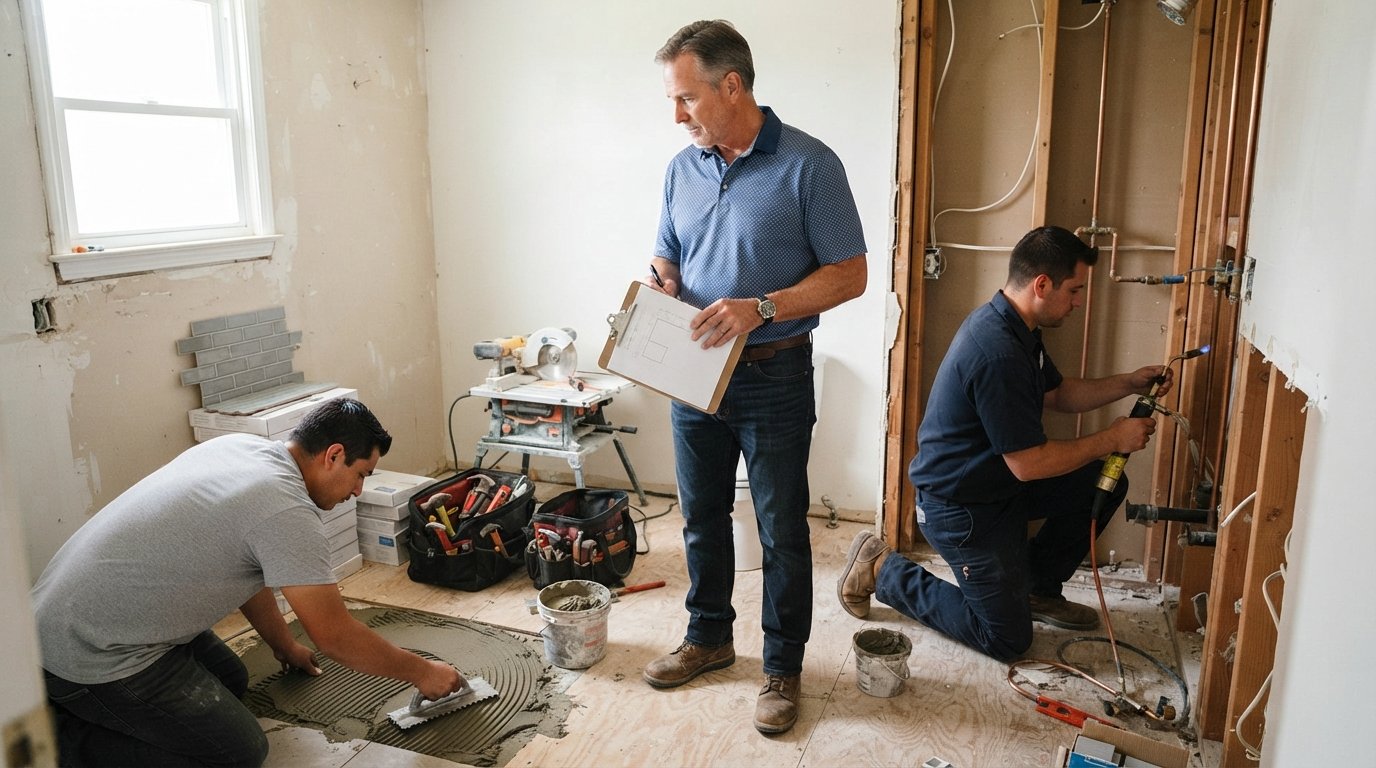
For example, instead of asking for a full bathroom remodel quote, split it into phases: first, the plumbing rough-in; second, the tile work; third, the fixture installation. Each phase can be bid separately, and you can hire different specialists for each. This approach not only broadens your options but also lets you control costs at every stage. You might find a retired plumber who does small jobs on the side for a fraction of what a big company charges. Just be sure to coordinate the sequence so that one trade does not hold up the next.
Another benefit of scoping smaller jobs is that you can often handle some of the simpler tasks yourself, like demolition or painting, which reduces the contractor's scope and your total bill. However, be honest about your skills: a botched DIY job can cost more to fix than if you had hired a pro from the start.
Where to Look for Vetted Local Pros Beyond Word of Mouth
Word of mouth is still a powerful way to find affordable contractors, but it has limits. Your neighbor's go-to handyman might be great, but they might also be booked solid or not licensed for the specific work you need. To expand your search, turn to online directories that pre-vet contractors and provide ratings and reviews. One valuable resource is our guide on how to find affordable contractor quotes without hidden fees, which walks you through the process of requesting multiple quotes and comparing them side by side.
Beyond specialized directories, consider these avenues:
- Local hardware stores: Many independently owned hardware stores keep a list of reliable tradespeople. The staff often know who is honest and reasonably priced.
- Community forums and social media groups: Neighborhood groups on Facebook or Nextdoor often have threads recommending affordable contractors. Look for multiple mentions and ask for specifics about price and quality.
- Trade association websites: Organizations like the National Association of the Remodeling Industry (NARI) or local builder associations often have member directories. Membership does not guarantee affordability, but it does indicate a level of professionalism.
- Your real estate agent: Agents work with contractors constantly and can point you toward reliable, cost-conscious professionals.
When using any of these sources, always ask for references and verify that the contractor is licensed and insured. Even a personal recommendation should be double-checked, because standards vary and what worked for someone else might not work for you.
Red Flags That Signal a Too-Cheap Quote Is a False Economy
A surprisingly low bid can be tempting, but it often comes with hidden costs. The lowest price is not always the best deal, and in home repair, it can be a recipe for disaster. Here are some warning signs that a quote is too good to be true:
- No written contract or vague scope: If the contractor is not willing to put the details in writing, walk away. Verbal agreements lead to disputes and unexpected charges.
- Requests for large upfront payments: A reputable contractor may ask for a deposit, but it should be modest (typically 10-30 percent) and tied to materials or a milestone. Demanding half or more upfront is a red flag for scams or cash flow problems.
- No license or insurance: Even if price is your priority, hiring an unlicensed contractor can result in fines, failed inspections, and no recourse if something goes wrong. Always verify credentials.
- High-pressure sales tactics: Limited-time offers or threats that the price will go up tomorrow are signs of a pushy salesperson, not a trustworthy professional.
- No local address or references: A contractor who cannot provide a physical business address or local references may be a fly-by-night operation.
Remember that a cheap quote can become expensive quickly if the work fails inspection, causes damage, or has to be redone. The true cost of a repair includes not just the initial price but also the cost of callbacks, warranty work, and potential liability. A slightly higher bid from a licensed, insured professional is often the more affordable choice in the long run.
How to Compare Itemized Estimates on Labor, Materials, and Callbacks
To make an apples-to-apples comparison, you need itemized estimates. A lump-sum quote tells you little about where your money is going. Ask each contractor to break down the bid into labor, materials, permits, and any other fees. This transparency allows you to spot inflated material costs or labor rates and to negotiate more effectively.
When comparing estimates, pay attention to the following:
- Labor rates: Are they charging by the hour or by the job? Hourly rates can vary widely, but a fixed price gives you more certainty. Ask what is included in the labor rate (e.g., cleanup, disposal).
- Material quality: A lower bid might use cheaper materials that will not last as long. Check the specified brands and grades. Sometimes you can save by sourcing materials yourself, but confirm the contractor is comfortable with that arrangement.
- Permits and inspections: Who is responsible for pulling permits? The cost and responsibility should be clearly stated. Skipping permits to save money can backfire.
- Warranty and callbacks: What is the warranty on labor and materials? A contractor who offers a solid warranty is more likely to stand behind their work. A low bid with no warranty is a gamble.
- Payment schedule: A reasonable schedule ties payments to milestones. Avoid contractors who demand most of the money upfront.
Use the estimates to ask questions and clarify anything that seems off. A professional contractor will be happy to explain their pricing. If they are evasive, that is a sign to move on. For a deeper dive into comparing bids, see our article on finding affordable contractor quotes without hidden fees, which covers common pitfalls and negotiation tips.
Verifying License and Insurance Even When Price Is the Priority
It is tempting to skip verification when you are trying to save money, but hiring an unlicensed or uninsured contractor can expose you to significant financial risk. If a worker gets injured on your property, you could be held liable for medical costs. If the work fails inspection, you may have to pay to fix it yourself. Always verify that the contractor holds the required license for the type of work (some states require licenses for specific trades, while others have general contractor licensing) and carries both general liability and workers' compensation insurance.
How to verify:
- Ask for the license number and insurance certificate. Do not accept verbal assurances.
- Check with your state or local licensing board to confirm the license is active and in good standing. Many boards have online lookup tools.
- Call the insurance company to confirm the policy is current and covers the type of work being done.
- Ask for a certificate of insurance that names you as an additional insured (optional but recommended for larger jobs).
This process takes a little time, but it is your best protection against fly-by-night operators. Even if you are hiring a handyman for a small job, ask about insurance. A legitimate professional will have no problem providing this information. For more guidance on vetting contractors, explore the resources at PlanRemodel, which offers directories and educational articles to help homeowners make informed decisions.
Negotiating and Structuring Payments to Stay on Budget
Once you have a few solid bids, do not be afraid to negotiate. Many contractors build a little padding into their quotes, and they may be willing to come down on price if you are flexible on timing or if you can offer something in return (e.g., handling cleanup yourself). However, avoid pushing too hard: a contractor who slashes their price too eagerly may cut corners later.
Payment structure is another lever for staying on budget. Never pay the full amount upfront. A typical schedule might be 10-30 percent as a deposit, with subsequent payments tied to milestones (e.g., rough-in complete, fixtures installed, final inspection passed). Hold back a final payment (5-10 percent) until you are satisfied with the work. This gives you leverage if issues arise.Also, consider asking for a discount for cash payment or for bundling multiple small jobs into one visit. Some contractors offer lower rates for off-season work or for flexible scheduling. If you are handy, you can propose to handle some tasks yourself, like painting or cleanup, which reduces the contractor's time and your cost.
Building a Long-Term Relationship with a Trusted Pro
Finding an affordable contractor is not just about the lowest bid; it is about building a relationship with someone who will be your go-to for future repairs. A contractor who knows your home and has a track record of fair pricing and quality work is worth their weight in gold. After a successful project, stay in touch. Send a thank-you note, leave a positive review, and keep their contact information handy. When a new repair pops up, you can call them first, and they may prioritize you or offer a returning-customer discount.
In the end, finding affordable home repair contractors on a budget requires a mix of research, clear communication, and due diligence. By breaking jobs into smaller scopes, looking beyond word of mouth, avoiding too-cheap quotes, comparing itemized estimates, and verifying credentials, you can protect your wallet and your home. Start by requesting multiple quotes from vetted local professionals through a trusted directory, and you will be on your way to a successful repair without breaking the bank.
Learn more about General Contracting for guides, costs, and what to expect.
Compare General Contracting Pros Near You
Enter your ZIP code to compare top-rated local professionals and request free quotes.