
How to Extend the Life of Your Washing Machine: Pro Tips
Simple habits like balancing loads and monthly cleaning can add years to your washer. Learn how to extend the life of your washing machine and avoid costly repairs.
By Chelsea Kris
Learn more about Appliance Repair or Maintenance for guides, costs, and what to expect.
Compare Appliance Repair or Maintenance Pros Near You

Enter your ZIP code to compare top-rated local professionals and request free quotes.
Your washing machine is one of the hardest-working appliances in your home, yet it rarely gets the attention it deserves. A typical washer handles hundreds of loads each year, battling heavy fabrics, excess detergent, and the constant friction of spinning at high speeds. When it breaks down, it is rarely a small inconvenience; it often means water damage, expensive repair bills, or a premature trip to the appliance store. The good news is that most premature failures are entirely preventable. Understanding how to extend the life of a washing machine is not about complex engineering; it is about adopting simple, consistent habits that protect your investment and keep your clothes fresh.
Whether you own a top-loader or a sleek front-loader, the principles of care are similar. From the quality of your water supply to the way you load your laundry, every action either adds strain or reduces it. This guide will walk you through the most effective strategies to maximize your machine's lifespan, saving you hundreds of dollars and the headache of unexpected breakdowns. By the end, you will have a clear maintenance plan that takes just minutes each month but adds years to your appliance's service life.
Master the Art of Loading and Balancing
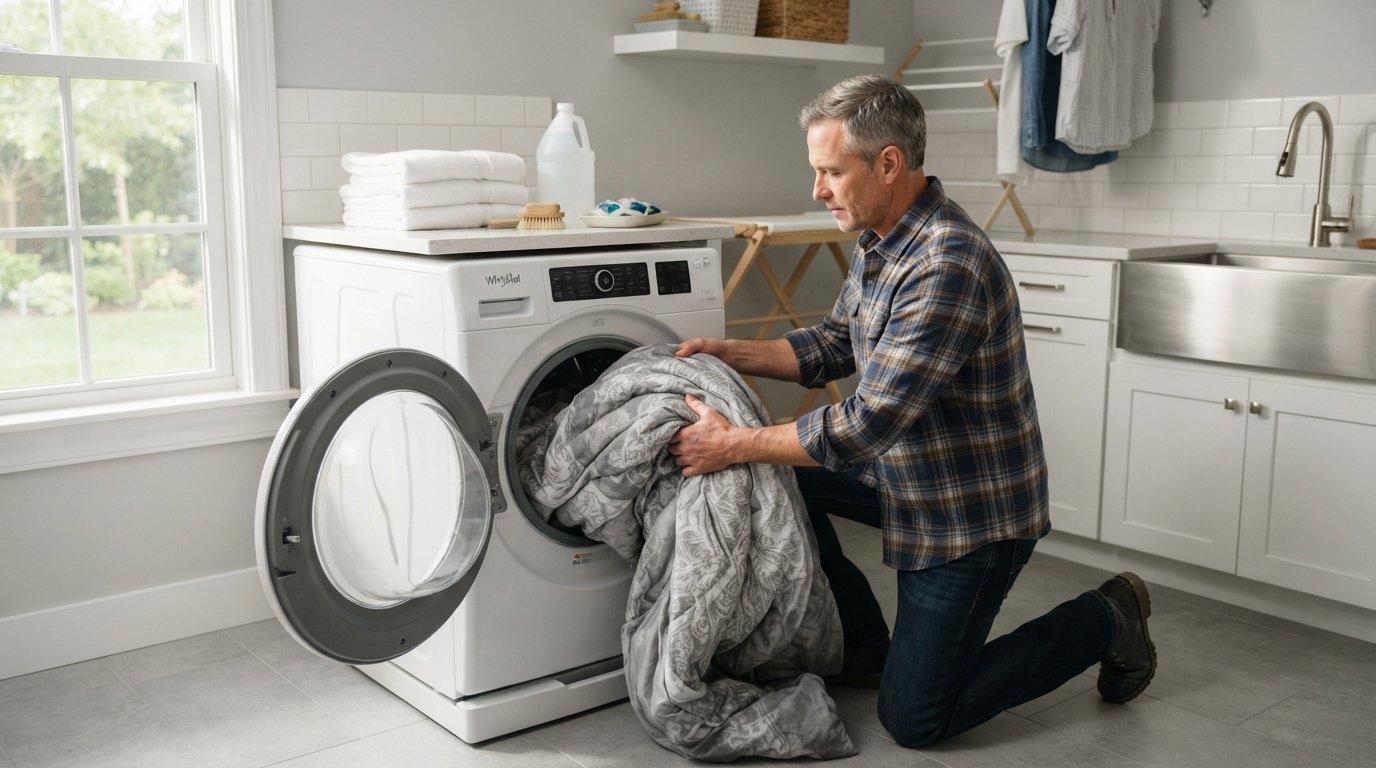
The most common cause of mechanical failure in washing machines is not a faulty motor, but an unbalanced load. When heavy items like comforters or towels bunch up on one side of the drum, the spin cycle creates violent vibrations. These vibrations put immense stress on the bearings, shock absorbers, and the drum mount itself. Over time, this leads to loud banging noises, excessive movement, and eventually, catastrophic failure. To prevent this, you must be deliberate about how you fill the drum.
Always mix large and small items in a single load to help distribute weight evenly. Avoid washing a single bulky item, like a rug or a thick jacket, by itself. Instead, add a few towels to counterbalance the weight. When loading, place items loosely around the agitator or the drum's paddles, rather than cramming them in. A good rule of thumb is that you should be able to fit your hand flat on top of the clothes after loading; if you cannot, the load is too dense. Overloading is a silent killer, as it prevents clothes from moving freely, reduces cleaning effectiveness, and forces the motor to work harder than necessary.
The Right Detergent and Dispenser Habits
Detergent is essential for cleaning, but using too much is one of the fastest ways to shorten your washer's lifespan. Excess suds create extra friction and can cause the machine to work harder during the wash and rinse cycles. Worse, they can leave a sticky residue inside the drum and hoses, which becomes a breeding ground for mold and mildew. In front-loaders, this residue is the primary culprit behind that musty odor and the buildup that clogs the drain pump. Always use high-efficiency (HE) detergent, which is specifically formulated to produce fewer suds, and follow the dosage instructions on the bottle.
Where you put the detergent matters just as much as how much you use. Pour liquid detergent into the designated dispenser drawer, not directly onto dry clothes, unless the machine's manual specifically instructs you to do so. Direct contact with undiluted detergent can stain fabrics and leave a concentrated residue on the drum's interior. If you use fabric softener, ensure the dispenser cup is clean and that it is not overfilled, as this can cause it to drain prematurely and leave a waxy buildup on your clothes. For a cleaner alternative, consider using white vinegar in the softener dispenser once a month to break down mineral deposits and remove odors.
Choosing the Right Water Temperature
Hot water is excellent for sanitizing and removing grease, but it is also harder on your machine's internal components. The heating element in a washer must work overtime to raise the water temperature, and constant exposure to hot water can accelerate the degradation of rubber seals and hoses. For everyday loads of lightly soiled clothes, cold water is not only sufficient, it is gentler on both your fabrics and your appliance. It also prevents colors from bleeding and saves significantly on your energy bill. Reserve hot water for heavily soiled items, towels, and underwear, and use warm water as a compromise for synthetic blends.
Routine Cleaning: The Monthly Reset
Even with perfect detergent habits, your washing machine accumulates dirt, grease, and soap scum over time. This buildup does not just smell bad; it can clog the pump, restrict water flow, and force the machine to work harder. A monthly cleaning cycle is the single most effective way to reset your machine and prevent these issues. This process removes hidden grime and keeps the internal mechanisms operating smoothly, directly answering the question of how to extend the life of a washing machine.
To clean your machine effectively, follow these steps:
- Run an empty cycle with hot water and add two cups of white vinegar to the detergent dispenser. Vinegar is a natural descaler that dissolves mineral deposits.
- After the cycle finishes, run a second hot water cycle with half a cup of baking soda to neutralize any remaining odors and brighten the drum.
- Wipe down the rubber gasket (door boot) on front-loaders with a dry cloth, removing any trapped hair, coins, or debris.
- Leave the door and detergent drawer open for at least an hour after every wash to allow the interior to air dry completely.
This simple routine takes about an hour once a month and costs mere pennies compared to the price of a service call. It is especially critical for front-loaders, which are prone to mold growth due to their water-trapping design. By making this a habit, you ensure that your machine runs efficiently and your laundry smells fresh every time.
Protect Your Machine with Proper Water Care
Your washing machine is only as good as the water that flows into it. Hard water, which is high in calcium and magnesium, is a major enemy of appliances. These minerals accumulate inside the water inlet valves, hoses, and the heating element, reducing water flow and insulating the heater so it has to work harder to warm the water. Over time, this scale buildup can cause the machine to take longer to fill and eventually lead to valve failure. If you live in an area with hard water, installing a whole-house water softener is the best long-term solution, but if that is not feasible, you can use a descaling agent like citric acid in your monthly cleaning cycle.
Additionally, the hoses that supply water to your machine are a common point of failure. Rubber hoses can develop weak spots, blister, and eventually burst, causing severe water damage to your home. To prevent this, inspect your hoses every few months for cracks or bulges. Replace standard rubber hoses with braided stainless steel versions, which are significantly more durable. Regardless of the type, you should replace all supply hoses every five years as a proactive safety measure. This is a cheap insurance policy against one of the most common and costly home disasters.
Leveling and Stabilization: The Foundation of Longevity
If your washing machine is not perfectly level, it will vibrate excessively, walk across the floor, and cause premature wear on its suspension system. Most machines have adjustable feet that can be screwed in or out to raise or lower each corner. To check if your machine is level, place a bubble level on top of the machine, first side to side, then front to back. Adjust the feet until the bubble is centered in both positions. Once level, tighten the locking nuts against the base of the machine to prevent the feet from shifting during operation.
Front-loaders, in particular, need a solid, stable foundation. If your machine is in a second-floor laundry room, consider placing it on a rubber anti-vibration pad to absorb some of the shock. These pads are inexpensive and significantly reduce the noise and stress transferred to the floor and the machine's own frame. Remember that a machine that rocks or shakes is a machine that is damaging itself with every cycle. Taking 10 minutes to ensure it is level will pay dividends in the long run.
What Not to Put in Your Washer
Your washer is a powerful piece of equipment, but it is not indestructible. Certain items can damage the drum, clog the drain, or cause the motor to fail. Coins, keys, and other metal objects can scratch the porcelain drum, creating rust points that catch on delicate fabrics. More importantly, small items like socks can slip through the drain and clog the pump, causing water to back up and the machine to stop. Always check pockets before loading clothes and consider using a mesh laundry bag for small items like socks and underwear.
You should also avoid washing items that are not meant for machine washing, such as waterproof rain jackets, which can damage the drum's rotation, or items with heavy plastic or vinyl coatings. Additionally, never wash anything with flammable solvents or oil stains in a residential machine, as the vapors can be ignited by the motor's sparks. By being mindful of what goes into the drum, you protect the delicate balance of the machine's internal systems and avoid costly repairs.
The Role of Professional Maintenance
While most maintenance is DIY, some tasks are best left to professionals. If you notice a persistent burning smell, unusual grinding noises, or your machine is not draining even after you have cleaned the filter, it is time to call a technician. Attempting to repair complex parts like the motor, control board, or transmission yourself can be dangerous and often voids your warranty. A professional can diagnose issues like a failing bearing or a worn-out belt that you might not be able to see.
When you need parts or a new appliance, it is always wise to consult a trusted resource for guidance. For any major home repair or replacement, getting multiple quotes is the best way to ensure you are paying a fair price. Using a platform like FreeQuotes.Contractors can connect you with pre-vetted local appliance technicians and contractors in your area, allowing you to compare prices and expertise before committing to a service. This ensures that any work performed on your machine is done correctly and at a competitive rate, further supporting your goal of maximizing its lifespan.
In conclusion, the key to a long-lasting washing machine is a combination of daily habits and monthly rituals. By balancing loads, using the right detergent, keeping the machine clean, and ensuring it is level, you eliminate the primary causes of stress and wear. These actions are simple, require minimal time, and cost almost nothing, yet they can double or even triple the expected life of your appliance. Treat your washer with the same care you give your car, and it will reward you with years of reliable service, keeping your family's clothes clean without the financial shock of an unexpected breakdown.
Learn more about Appliance Repair or Maintenance for guides, costs, and what to expect.
Compare Appliance Repair or Maintenance Pros Near You
Enter your ZIP code to compare top-rated local professionals and request free quotes.