
Finding a Trusted General Contractor in Charlotte NC
A guide for Charlotte homeowners on when and how to hire a trusted general contractor for renovations and repairs, ensuring quality, safety, and value.
By Alexia Mabel
Learn more about Exterior Painting for guides, costs, and what to expect.
Compare Exterior Painting Pros Near You

Enter your ZIP code to compare top-rated local professionals and request free quotes.
You’ve finally decided to tackle that kitchen renovation or need to repair storm damage to your roof. As you start planning, a wave of questions hits: Who can manage all the different trades? How do you ensure the work is done safely and to code? The complexity of a major home project can feel overwhelming, leaving many Charlotte homeowners unsure where to begin. This is where a professional general contractor in Charlotte, North Carolina, becomes your essential partner, turning your vision into reality while you avoid the stress of managing the chaos yourself.
Understanding General Contractors Charlotte North Carolina
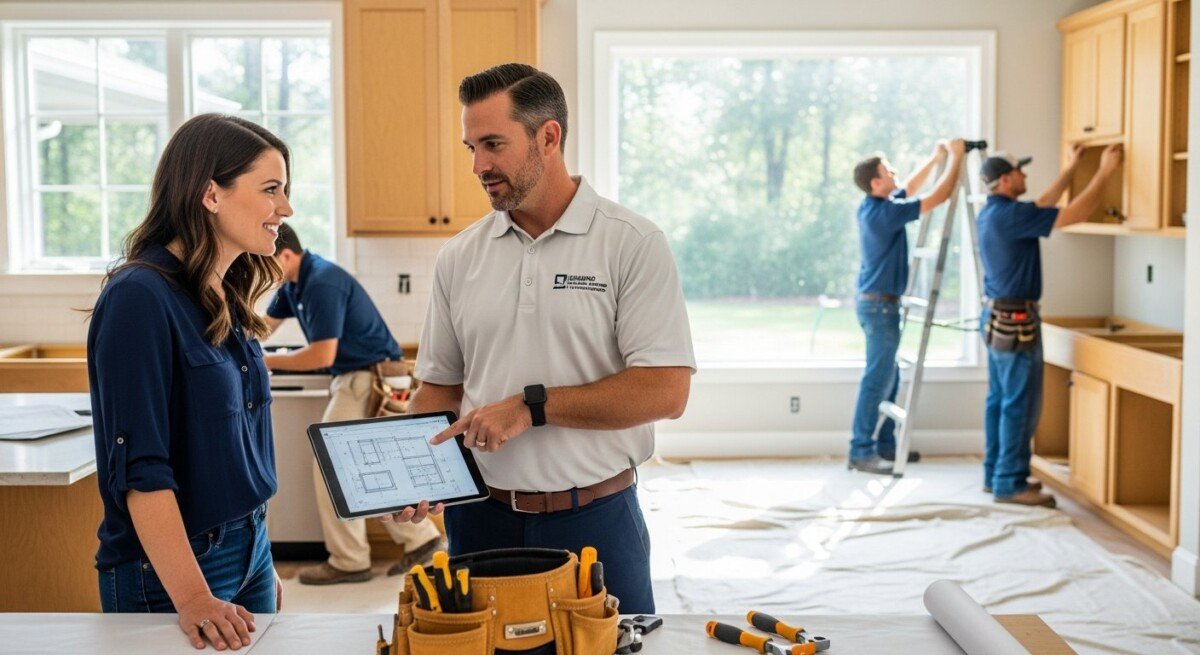
A general contractor (GC) is the project manager for your home improvement or repair job. They act as the single point of contact, coordinating all the moving parts so you don’t have to. From pulling permits to scheduling electricians, plumbers, and carpenters, they handle the logistical heavy lifting.
Think of them as the conductor of an orchestra, ensuring every specialist plays their part at the right time. A reputable general contractor in Charlotte brings local knowledge of building codes, reliable subcontractor networks, and experience navigating the unique challenges of homes in our region, from older properties in Dilworth to new builds in Ballantyne.
Why This Matters for Your Home
Attempting to manage a major project yourself or hiring individual trades without oversight can lead to costly mistakes and delays. Miscommunication between different workers, incorrect installation orders, or overlooked permits can derail your timeline and budget. The risks aren’t just financial.
Poorly coordinated work can compromise your home’s structural integrity, safety systems, and energy efficiency. A professional GC provides accountability, ensuring the work meets quality standards and protects your largest investment,your home.
If you notice signs of this issue in your home, it may help to speak with a qualified contractor. Request a free quote or call to explore your repair or remodeling options.
Common Problems Homeowners Experience
Homeowners often discover they need a general contractor when a simple project snowballs. What started as a bathroom update reveals outdated plumbing and electrical systems that need upgrading. A DIY deck build hits a snag with permit requirements and structural footings.
These are the moments when professional oversight pays for itself. Without it, you’re left trying to solve problems outside your expertise, which can lead to frustration and subpar results.
- Project Scope Creep: A small repair uncovers larger, hidden issues that require additional trades.
- Permit Confusion: Navigating Charlotte and Mecklenburg County building departments can be complex and time-consuming.
- Subcontractor Scheduling: Coordinating availability between electricians, plumbers, and carpenters leads to long project delays.
- Cost Overruns: Without a fixed-price contract or detailed estimate, material and labor costs can spiral unexpectedly.
- Quality Inconsistency: Different workers have different standards, resulting in an uneven final product.
- Warranty Issues: If something goes wrong, determining which trade is responsible becomes a finger-pointing exercise.
How Professionals Solve the Problem
A skilled general contractor transforms a potentially stressful experience into a streamlined process. They start with a detailed consultation to understand your goals, budget, and timeline. Then, they develop a comprehensive plan that anticipates challenges before they arise on site.
Their expertise ensures work is done in the correct sequence with the right materials, adhering to all local codes. This professional approach not only saves you time and stress but often saves money by preventing costly errors and rework. For new homeowners especially, this guidance is invaluable, as outlined in our resource on working with contractors for appliance installation and beyond.
- Initial Consultation & Estimate: They assess your project, discuss your vision, and provide a detailed scope of work and cost estimate.
- Planning & Permitting: They create a project schedule, secure necessary permits from the city or county, and order materials.
- On-Site Management: They supervise all subcontractors, ensure daily site safety and cleanliness, and maintain progress.
- Quality Control & Communication: They conduct inspections at each phase, address any issues immediately, and keep you regularly updated.
- Final Walkthrough & Completion: They ensure every detail is finished to your satisfaction, obtain final inspections, and provide warranty information.
A professional inspection can reveal hidden issues before they become expensive repairs. Compare contractor quotes here or call to discuss your project.
Warning Signs You Should Not Ignore
Sometimes, the need for a contractor isn’t for a desired renovation but for necessary repairs. Putting off needed work almost always leads to more extensive and expensive damage down the road. Water leaks, for instance, can lead to mold and structural rot if not addressed properly and promptly.
Listening to your home and recognizing these signs can help you act before a minor issue becomes a major emergency. Proactive maintenance and repair protect your home’s value and your family’s safety.
- Multiple Projects Needed: You have a list involving more than one trade (e.g., plumbing + flooring + drywall).
- Structural Changes: Your plans involve removing walls, adding rooms, or altering the home’s footprint.
- Persistent Leaks or Water Damage: Recurring issues often indicate a systemic problem needing comprehensive repair.
- Aging Major Systems: Your roof, siding, or windows are near or past their typical lifespan and need full replacement.
- Safety Concerns: You notice faulty wiring, shaky decks, or foundation cracks that need expert assessment.
- Time Constraints: You lack the time or ability to be on-site daily to manage workers and deliveries.
What Affects the Cost of Repairs or Installation
The cost of hiring a general contractor in Charlotte varies based on the project’s scale and complexity. A simple, single-room remodel will differ greatly from a whole-house addition. Transparency from your contractor about what drives costs helps you make informed decisions.
Understanding these factors allows for better budgeting and helps you compare quotes accurately. Remember, the lowest bid isn’t always the best value if it cuts corners on materials, permits, or skilled labor.
Costs can vary depending on the condition of your home. The best way to know the price is to get a personalized estimate. Request free quotes from contractors or call today.
How to Choose the Right Contractor
Selecting your general contractor is the most critical decision in your project. This person or company will be in your home for weeks or months, so trust and communication are paramount. Start by seeking recommendations from friends or neighbors and verifying credentials thoroughly.
Always meet with at least two or three contractors for bids. This process gives you a sense of their communication style, professionalism, and understanding of your vision. It’s a significant relationship, and feeling confident in your choice brings peace of mind throughout the project. It’s also important to know your options upfront; our article on changing contractors after signing a contract explains the complexities involved if the partnership sours.
- Verify Licenses & Insurance: Ensure they are licensed in North Carolina and carry both liability and worker’s compensation insurance.
- Check References & Reviews: Look at online reviews on multiple platforms and ask for references from past clients with similar projects.
- Review Detailed, Written Estimates: Compare bids that break down costs for materials, labor, permits, and profit margins. Beware of vague estimates.
- Assess Communication: Choose someone who listens, answers questions clearly, and responds promptly during the bidding process.
- Get Everything in Writing: A clear, comprehensive contract protects both parties and should outline payment schedule, timeline, scope, and warranty details.
Long-Term Benefits of Professional Work
Investing in a professional general contractor pays dividends long after the project is complete. Quality workmanship with proper materials and techniques ensures your renovation or repair lasts for years, reducing the need for costly callbacks or fixes. This durability is a key component of protecting your home’s value.
Furthermore, a well-executed project enhances your daily living experience through improved functionality, comfort, and energy efficiency. Whether it’s a kitchen that brings your family together or a repaired roof that lets you sleep soundly during a Carolina thunderstorm, the value extends far beyond dollars and cents. For those budgeting carefully, understanding how to find affordable and reliable contractors is a crucial first step toward achieving these long-term benefits without overextending.
How much does a general contractor charge in Charlotte?
Most general contractors charge a management fee, typically 10% to 20% of the total project cost, on top of the costs for materials, labor, and subcontractors. For a full cost estimate, you need a detailed quote based on your specific project scope, materials, and home.
Do I need a permit for my home project in Charlotte?
Most structural, electrical, plumbing, and mechanical work requires a permit from the City of Charlotte or Mecklenburg County. A reputable general contractor will know what permits are needed and will pull them on your behalf, ensuring the work is inspected and meets code.
What’s the difference between a general contractor and a handyman?
A handyman is ideal for small repairs and tasks like fixing a door or installing a ceiling fan. A general contractor is licensed and insured to manage large, complex projects involving multiple trades, structural changes, and required building permits.
How long will my home renovation project take?
The timeline depends entirely on the project’s size and complexity. A bathroom remodel might take 3-6 weeks, while a whole-house renovation could take 4-6 months. Your contractor should provide a projected schedule and communicate any delays promptly.
Should I be home during the construction work?
It’s often not necessary to be home all day, but you should be available for scheduled decisions or walkthroughs. Good contractors will secure the work area and clean up daily to minimize disruption to your household.
How are payments typically structured?
A standard payment schedule involves an initial deposit (often 10-30%), followed by progress payments at major milestones, with a final payment due upon completion and your satisfaction. Avoid contractors who demand full payment upfront.
What warranties come with the work?
Reputable contractors stand behind their work with a warranty, typically for one year on labor. They should also provide manufacturer warranties for installed materials like windows, roofing, or appliances.
Can I save money by sourcing my own materials?
While possible, it’s not always recommended. Contractors often get trade discounts and know exactly what materials meet code. If you supply materials, you may be responsible for delays, defects, or incorrect orders, and the contractor’s warranty may not cover them.
Taking on a home improvement project is a significant undertaking, but you don’t have to navigate it alone. A qualified general contractor in Charlotte, North Carolina, provides the expertise, management, and peace of mind needed to ensure a successful outcome. By addressing issues early and choosing a professional partner, you protect your investment and create a home that better serves your family for years to come. Start by comparing detailed quotes from trusted local contractors to understand your options and make a confident decision.
Learn more about Exterior Painting for guides, costs, and what to expect.
Compare Exterior Painting Pros Near You
Enter your ZIP code to compare top-rated local professionals and request free quotes.