
Cost Effective Kitchen Upgrades on a Tight Budget
Refresh your kitchen without a full remodel using cost effective kitchen upgrades on a tight budget. Call (833)-439-3727 for trusted local contractor quotes.

By Alice Miller
Learn more about Kitchen Remodel for guides, costs, and what to expect.
Compare Kitchen Remodel Pros Near You

Enter your ZIP code to compare top-rated local professionals and request free quotes.
Your kitchen feels tired, but your savings account says a full remodel is out of the question. Here is the good news: you do not need to tear down walls or replace every cabinet to make your kitchen look and function dramatically better. With careful planning and a clear understanding of where your money goes furthest, cost effective kitchen upgrades on a tight budget can deliver results that look expensive but cost a fraction of a full renovation. The secret is prioritizing high-visibility changes, reusing what already works, and getting contractors to bid on the same scope so you can compare apples to apples.
Start With the Projects That Deliver the Biggest Visual Return
Not all upgrades are created equal. Some changes cost very little but transform the entire feel of the room, while others are expensive and barely noticeable. When you are working with a tight budget, your first dollars should go toward surfaces and features your eye lands on immediately: walls, cabinet fronts, light fixtures, and the backsplash. These are the elements that define the kitchen's personality, and refreshing them creates a ripple effect that makes everything else look newer.
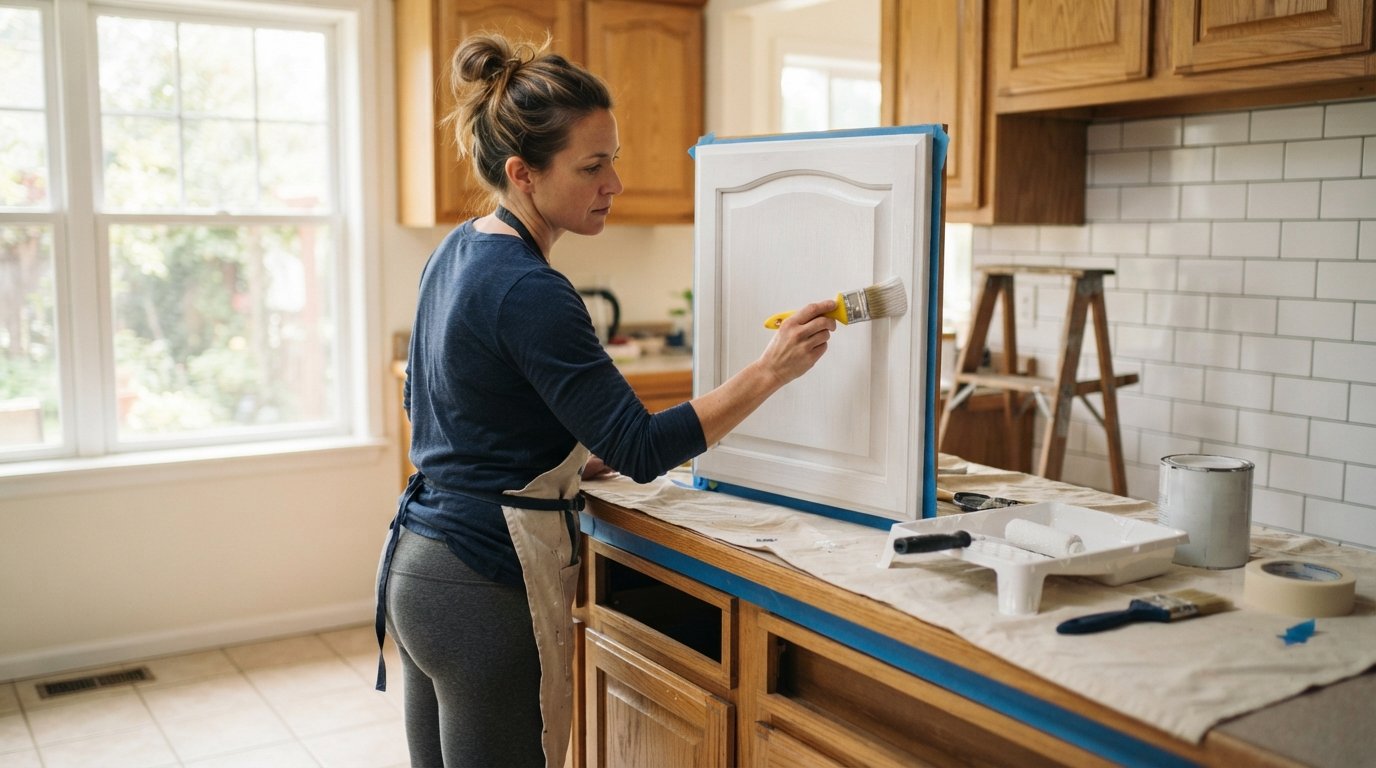
Paint is the indisputable champion of budget kitchen upgrades. A fresh coat on walls, trim, and even cabinets can modernize a dated space for the price of supplies and a weekend of labor. If your cabinets are structurally sound but look worn, cabinet paint or a quality refinishing kit costs a few hundred dollars and buys you years of visual improvement. Pair that with new hardware, and the change is dramatic. Replacing dated knobs and pulls with sleek, modern alternatives is one of the cheapest swaps you can make, often under one hundred dollars for an entire kitchen.
Lighting is another high-impact, low-cost lever. Old fluorescent boxes or dim fixtures date a kitchen instantly. Swapping them for updated LED fixtures, adding under-cabinet lighting, or installing a statement pendant over an island can change the mood and perceived value of the room. These upgrades do not require a licensed electrician in every case, but if you are uncomfortable with wiring, hiring a pro for a few hours is money well spent. The key is to focus on what you see and touch daily, because those are the upgrades that make you feel like you have a new kitchen without the new-kitchen price tag.
Refacing Versus Replacing Cabinets: Which Makes Sense for Your Budget
Cabinets consume the largest share of most kitchen remodeling budgets, often forty to fifty percent of the total cost. That is why cabinet decisions define your budget strategy. You have two main paths: refacing or replacing. Refacing means keeping the existing cabinet boxes and replacing only the doors, drawer fronts, and veneer. Replacement means tearing out the old cabinets and installing new ones, which opens the door to layout changes but also drives up labor and material costs significantly.
Refacing typically costs about half to two-thirds of what full replacement runs, and it can be completed in days rather than weeks. If your cabinet boxes are solid and the layout works for you, refacing is one of the most cost effective kitchen upgrades on a tight budget because it gives you a brand-new look without the demolition, disposal, and installation expenses. You can choose from a wide range of door styles, finishes, and materials, so the result does not have to look like a compromise. Many homeowners pair refacing with new hardware and a fresh backsplash, and the kitchen reads as fully renovated.
Replacement makes sense when the boxes are damaged, the layout is dysfunctional, or you plan to stay in the home long enough to justify the investment. Even then, you can control costs by choosing stock cabinets over custom, limiting the number of special features, and keeping the existing footprint. Before you decide, get quotes for both options from at least two contractors. A reputable pro can tell you whether your existing boxes are worth saving, and that conversation alone can save you thousands. If you want a deeper breakdown of what a full kitchen remodel costs in 2026, including line-item budgets, the guide on kitchen remodel cost planning walks through the numbers so you can see exactly where refacing fits.
Reuse Your Layout, Plumbing, and Appliances Whenever Possible
Moving plumbing, gas lines, or electrical outlets is expensive and often triggers permits and inspections that add time and cost. One of the smartest budget strategies is to keep your existing layout intact. If the sink, stove, and refrigerator are in workable positions, leave them there. You can still change the look of the kitchen dramatically with new surfaces, lighting, and cabinet fronts without relocating a single pipe. This single decision can cut thousands from your project and avoid the domino effect of repairs that follows any major utility move.
Appliances are another place where restraint pays off. If your refrigerator, range, and dishwasher are functional and reasonably efficient, keep them. A common mistake is to blow a large portion of the budget on a matching appliance suite when the old ones work fine. Instead, invest in the visible surfaces around them. If one appliance is failing, replace only that unit with a mid-range model that fits the existing opening. You can often find scratch-and-dent or open-box deals that carry the same warranty for less money. The goal is to spend where the eye goes, not where the function is already adequate.
When you do need to make changes, think in terms of phases. A phased approach lets you spread the cost over time and take advantage of sales. You might paint and reface this year, add the backsplash next year, and upgrade the countertop after that. This strategy keeps you from taking on debt and lets you reassess your priorities as you live with each change. It also makes each phase a smaller, more manageable project that is easier to bid and schedule with a contractor.
Source Affordable Countertops and Flooring Without Sacrificing Durability
Countertops and flooring are the workhorses of the kitchen, and they are also two areas where homeowners overspend unnecessarily. You do not need exotic stone to have a beautiful, durable kitchen. Laminate countertops have come a long way and now mimic stone convincingly at a fraction of the price. Butcher block offers warmth and can be refinished if it wears. Solid surface materials like quartz remnants or off-cut pieces from stone yards can deliver a high-end look for less if you are flexible on color and size. The key is to visit local stone yards and ask about remnant inventory, which is often sold at a steep discount.
For flooring, luxury vinyl plank and tile are the budget-friendly champions. Luxury vinyl plank is waterproof, durable, and easy to install, making it a favorite for kitchens where spills happen. Ceramic or porcelain tile offers timeless appeal and can be surprisingly affordable, especially if you choose standard sizes and simple patterns. Avoid complex layouts like herringbone or intricate mosaics, which drive up labor costs. If your existing flooring is in decent shape, consider whether refinishing hardwood or deep-cleaning tile and grout can buy you more time before replacement.
Material sourcing is where a little legwork pays off. Check local salvage yards, habitat for humanity restore locations, and online marketplaces for surplus building materials. Contractors sometimes have leftover materials from previous jobs that they are willing to sell at a discount. When you find a deal, verify the quantity and condition before committing. And always factor in the cost of installation, because a cheap material that requires expensive labor can end up costing more than a mid-range material that installs easily. The goal is to balance material cost, durability, and installation complexity so your total spend stays within budget.
Request Scoped Quotes So Contractors Bid Comparable Work
One of the biggest budget leaks in kitchen upgrades is comparing quotes that are not actually comparable. One contractor might include demolition and disposal while another excludes it. One might price a certain grade of material while another assumes a premium line. When you request quotes, give every contractor the same written scope of work. List exactly what you want done, the materials you plan to use (or ask them to specify), and what is excluded. This discipline makes it possible to compare bids fairly and spot the outliers.
A well-written scope should include the specific tasks, the brands or quality tiers of materials, who handles permits, who removes debris, and the project timeline. Ask each contractor to break down labor and materials separately so you can see where the money is going. If one bid is dramatically lower, ask what is missing. If one is dramatically higher, ask what justifies the difference. This process protects you from change orders later and helps you choose the contractor who offers the best value, not just the lowest number.
Getting multiple quotes is essential, and it is easier than ever with a directory that connects you to pre-vetted local pros. You can submit your project details and receive several no-obligation bids, which gives you a realistic range and leverage to negotiate. When you are ready to find contractors who understand budget-conscious kitchen work, PlanRemodel offers a directory of qualified professionals across the United States, along with educational resources to help you plan and compare. Always verify licenses, insurance, and references independently before signing a contract, because a good quote is only as reliable as the professional behind it.
As you plan, keep a contingency fund of ten to fifteen percent for surprises. Older kitchens often hide issues behind walls or under floors, and a small buffer keeps a minor discovery from derailing your entire project. With a clear scope, multiple bids, and a prioritized list of upgrades, you can stretch your budget further than you imagined.
Putting It All Together: A Practical Roadmap for Tight Budgets
The most successful budget kitchen upgrades follow a simple sequence: fix what is broken, refresh what is visible, and upgrade what you touch every day. Start with a thorough assessment of your current kitchen. Identify any safety or functional issues, such as faulty wiring, leaks, or damaged cabinets, and address those first. Then move to the cosmetic layers: paint, hardware, lighting, and backsplash. Finally, consider countertops and flooring if your budget allows, choosing durable materials that fit your lifestyle without premium pricing.
Throughout the process, keep your layout and appliances unless there is a compelling reason to change them. Every dollar you save on unnecessary demolition or relocation is a dollar you can put toward higher-quality finishes or a larger contingency fund. And when you hire, insist on detailed scopes and comparable bids. The difference between a smooth project and a stressful one often comes down to clarity before the work begins.
Cost effective kitchen upgrades on a tight budget are not about settling for less. They are about spending intentionally on the elements that matter most and resisting the pressure to do everything at once. By focusing on high-impact changes, reusing what works, sourcing materials wisely, and demanding clear quotes, you can create a kitchen you love without draining your savings. Take it one step at a time, and let each upgrade build on the last.