
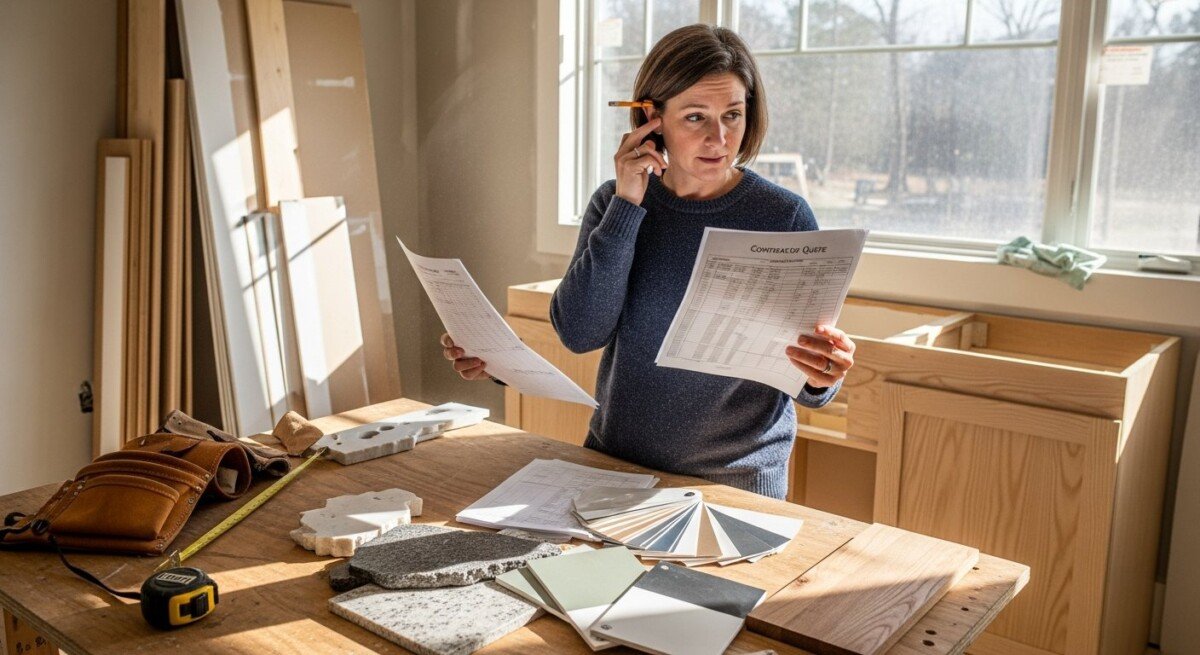
Construction Project Budget Planning for Homeowners
A practical guide for homeowners on creating a realistic construction project budget plan to avoid stress and financial overruns.
By Chelsea Kris
Learn more about Exterior Painting for guides, costs, and what to expect.
Compare Exterior Painting Pros Near You

Enter your ZIP code to compare top-rated local professionals and request free quotes.
You’ve finally decided to tackle that kitchen renovation or add the master bathroom you’ve always wanted. You have a number in your head, maybe from a TV show or a friend’s project. But as you start getting quotes, the numbers are all over the place, and you’re left wondering what you’re actually paying for. This feeling of uncertainty is the number one stressor for homeowners starting a construction project. Without a solid construction project budget plan, what begins as an exciting dream can quickly spiral into a financial headache, leading to unfinished work, unexpected debt, or strained relationships with contractors. Ignoring proper budget planning doesn’t just risk your savings; it risks the success of your entire project.
Understanding Construction Project Budget Planning
Construction project budget planning is simply the process of creating a detailed, realistic financial roadmap for your home improvement project. It’s more than just picking a total dollar amount. It’s about understanding where every single dollar will go, from the first bag of concrete to the final light fixture.
This process happens because every project is a collection of dozens of smaller tasks and materials. A budget plan breaks down the total cost into clear categories, so nothing is forgotten. It accounts for what you can see, like new cabinets, and what you can’t, like potential issues hidden behind your walls.
While any home project benefits from a budget, it’s especially critical for older homes, large-scale remodels, and projects where you’re changing the structure of your home. These projects often uncover surprises that can derail a simple, unprepared budget.
Why This Matters for Your Home
A well-planned budget is your primary tool for protecting your investment and your peace of mind. It transforms your vision from a vague idea into an achievable plan, ensuring you can complete the project you start without running out of funds halfway through.
Without this plan, you risk significant property damage from half-finished work exposed to the elements. You also face safety risks if you’re forced to cut corners on important materials or hire less experienced help to save money. Financially, poor planning almost always leads to higher total costs due to rushed decisions, financing charges, and emergency fixes.
If you notice signs of this issue in your home, it may help to speak with a qualified contractor. Request a free quote or call to explore your repair or remodeling options.
Common Problems Homeowners Experience
Most budget overruns aren’t caused by one big mistake, but by a series of small, overlooked details. Homeowners often create a budget based on their ideal wish list, without factoring in the practical costs of labor, permits, and the inevitable unknowns.
This leads to stressful scenarios where you must choose between quality and completion. You might fall in love with a specific tile only to find it blows 30% of your material budget, forcing cuts elsewhere. The real-world problems usually fall into a few common categories:
- The “Unexpected Discovery”: Rot, outdated wiring, or structural issues found once walls are opened.
- Scope Creep: The temptation to add “just one more thing” (e.g., upgrading fixtures, adding a window) without adjusting the budget.
- Underestimating Labor: Assuming most costs are in materials, not realizing skilled labor is a major expense.
- Permit and Fee Surprises: Forgetting to budget for municipal permits, inspections, and potential impact fees.
- Material Price Fluctuations: Starting a project with 2022 prices, only to find 2024 costs are significantly higher.
- Financing Gaps: Running out of cash or credit before the project is finished and livable.
How Professionals Solve the Problem
Experienced contractors don’t see a budget as a limit, but as a blueprint for success. They use their knowledge of real-world costs and sequences to build a budget that reflects reality, not just optimism. Their process protects you from the most common pitfalls.
A professional brings foresight. They know where hidden costs typically lurk in your type of project and include contingency funds for the unknowns. This professional approach is safer and more reliable than DIY budgeting because it’s based on hundreds of past projects, not guesswork. Their typical planning process looks like this:
- Detailed Scope Review: They walk through your project goals in extreme detail to define exactly what is and isn’t included.
- Material Specification: They help select specific products with known prices, locking in costs early.
- Labor Estimation: They calculate the exact hours needed for each trade (plumbing, electrical, carpentry) based on the scope.
- Contingency Allocation: They add a standard percentage (usually 10-20%) to the budget for unforeseen issues.
- Phased Payment Schedule: They tie payments to completed milestones, keeping the project cash flow aligned with progress.
A professional inspection can reveal hidden issues before they become expensive repairs. Compare contractor quotes here or call to discuss your project.
Warning Signs You Should Not Ignore
How do you know if your budget plan is on shaky ground? The warning signs often appear early, in the planning and quoting phase. Ignoring these signs is a guarantee that you’ll face difficult choices later.
If your budget feels tight before a single hammer is swung, it’s already insufficient. A plan that has no room for error is a plan that will fail. Acting early by revising your plan or scope can prevent the major stress of a stalled project. Be cautious if you notice:
- Contractor quotes that vary wildly (e.g., a $20,000 difference for the same scope of work).
- A budget with no line item for “contingency” or “unforeseen conditions.”
- You’re basing your expectations on costs from pre-pandemic articles or shows.
- You’re planning to manage multiple subcontractors yourself to save money.
- The budget relies on you performing significant DIY work you’ve never done before.
- You’re feeling pressured to choose the lowest bid without a clear understanding of why it’s lower.
What Affects the Cost of Repairs or Installation
Understanding what drives costs empowers you to make smarter decisions. The final price isn’t arbitrary; it’s a sum of specific, quantifiable factors. A good contractor will explain these factors, not just give you a bottom-line number.
The biggest cost drivers are usually labor and material quality. However, the age and condition of your home are massive factors. A bathroom remodel in a 1950s home will likely involve costly plumbing updates and potential asbestos abatement, while the same remodel in a 2005 home may not. Key factors include:
- Project Size and Complexity: A simple floor replacement vs. moving walls and plumbing.
- Material Choices: Builder-grade laminate vs. custom hardwood; standard fixtures vs. designer.
- Labor Intensity: Intricate tile patterns, custom cabinetry, and historic replication require more hours.
- Site Accessibility: A third-story bathroom is harder to service than a first-floor one.
- Current Home Condition: The need to repair underlying structure, update electrical to code, or mitigate mold.
- Geographic Location: Permitting costs, labor rates, and material availability vary by city and region.
Costs can vary depending on the condition of your home. The best way to know the price is to get a personalized estimate. Request free quotes from contractors or call today.
How to Choose the Right Contractor
The right contractor is your partner in making your budget work. They should be transparent, communicative, and respectful of your financial boundaries. Choosing based on price alone is often the most expensive mistake you can make.
Look for a professional who takes the time to educate you. They should want you to understand their quote and feel confident in the plan. A trustworthy contractor sees a realistic budget as the foundation for a good working relationship. Follow these tips during your selection process:
- Verify Licenses and Insurance: Always ask for proof of current liability insurance and worker’s compensation.
- Read Reviews and Ask for References: Look for patterns in reviews about communication, budget adherence, and problem-solving.
- Request Detailed, Written Estimates: A quote should be a line-item breakdown, not a single number on a napkin.
- Compare Multiple Quotes: Get at least three detailed quotes to understand the market rate for your project.
- Confirm Direct Experience: Ask for photos of past projects similar in size and style to yours.
Long-Term Benefits of Professional Work
Investing in professional budget planning and execution pays dividends long after the workers leave. It’s not just about finishing the project; it’s about creating a result that lasts, functions well, and protects your home’s value.
A professionally managed project ensures work is done to code, which is crucial for safety and for passing future home inspections if you sell. Quality materials installed correctly also mean less maintenance and repair down the road. Ultimately, this approach safeguards your single largest investment,your home. The long-term benefits include:
- Enhanced Safety and Compliance: Proper structural, electrical, and plumbing work prevents future hazards.
- Superior Durability: Correct installation extends the life of materials, saving you replacement costs.
- Improved Energy Efficiency: Properly sealed windows, doors, and insulation lower utility bills for years.
- Increased Property Value: Well-documented, permitted work adds more value than questionable DIY projects.
- Peace of Mind: Knowing the job was done right lets you enjoy your new space without worry.
What is construction project budget planning?
It’s the detailed process of forecasting and allocating all costs for a home improvement project. This includes materials, labor, permits, contingency funds, and even temporary living expenses if needed. A good plan acts as a financial blueprint to guide the project from start to finish.
Why do construction projects go over budget?
Projects most commonly go over budget due to unforeseen problems like hidden rot or outdated wiring, changes to the original plan, and underestimating the true cost of labor or materials. A detailed initial plan with a contingency fund is the best defense against these overruns.
How much should I budget for unexpected costs?
For most remodeling projects, professionals recommend a contingency fund of 10% to 20% of the total project budget. For older homes or major structural work, leaning toward 20% is wiser. This fund is not for upgrading finishes, but for solving problems found once work begins.
Should I get multiple quotes for my project?
Yes, getting at least three detailed quotes is crucial. It helps you understand the fair market price, reveals different approaches to your project, and allows you to compare contractor communication styles. Be wary of quotes that are significantly lower than others,they often exclude necessary work.
What’s included in a contractor’s detailed estimate?
A detailed estimate should list costs for demolition, materials, labor, subcontractors, permits, trash removal, and a contingency line. It should specify brands, model numbers, and quantities of materials. This transparency allows you to see exactly what you’re paying for and make informed choices.
How can I save money on my construction project?
The most effective ways are to finalize your design plans before starting, choose standard-sized materials, and be flexible on project timing. Avoid making changes once work begins, as change orders are expensive. Investing in professional planning upfront is the greatest money-saving step.
Is a permit required for my project?
Most structural, electrical, plumbing, and major remodeling work requires a permit. Your contractor should handle this process. Permits ensure work is inspected for safety and code compliance, which protects you and is essential for future home sales. Their cost should be in your initial budget.
What questions should I ask a contractor about the budget?
Ask how their payment schedule works, what is NOT included in the quote, the size of their contingency fund, how they handle change orders, and for examples of past projects that stayed on budget. Their answers will reveal their planning expertise and communication style.
Taking control of your construction project starts with a realistic budget plan. By understanding the costs, recognizing the warning signs, and partnering with a qualified professional, you can transform your home improvement vision into a successful reality without financial stress. The most important step is the first one: gathering clear, detailed information. Start by comparing quotes from trusted local contractors to understand your true options and build a plan that protects your home and your investment.
Learn more about Exterior Painting for guides, costs, and what to expect.
Compare Exterior Painting Pros Near You
Enter your ZIP code to compare top-rated local professionals and request free quotes.