
Affordable Home Repair Solutions for Budget Conscious Homeowners
Practical affordable home repair solutions for budget conscious homeowners, from bundling repairs to smart financing. Call (833)-439-3727 for vetted contractor quotes.
By Alexia Mabel
Learn more about Handyman for guides, costs, and what to expect.
Compare Handyman Pros Near You

Enter your ZIP code to compare top-rated local professionals and request free quotes.
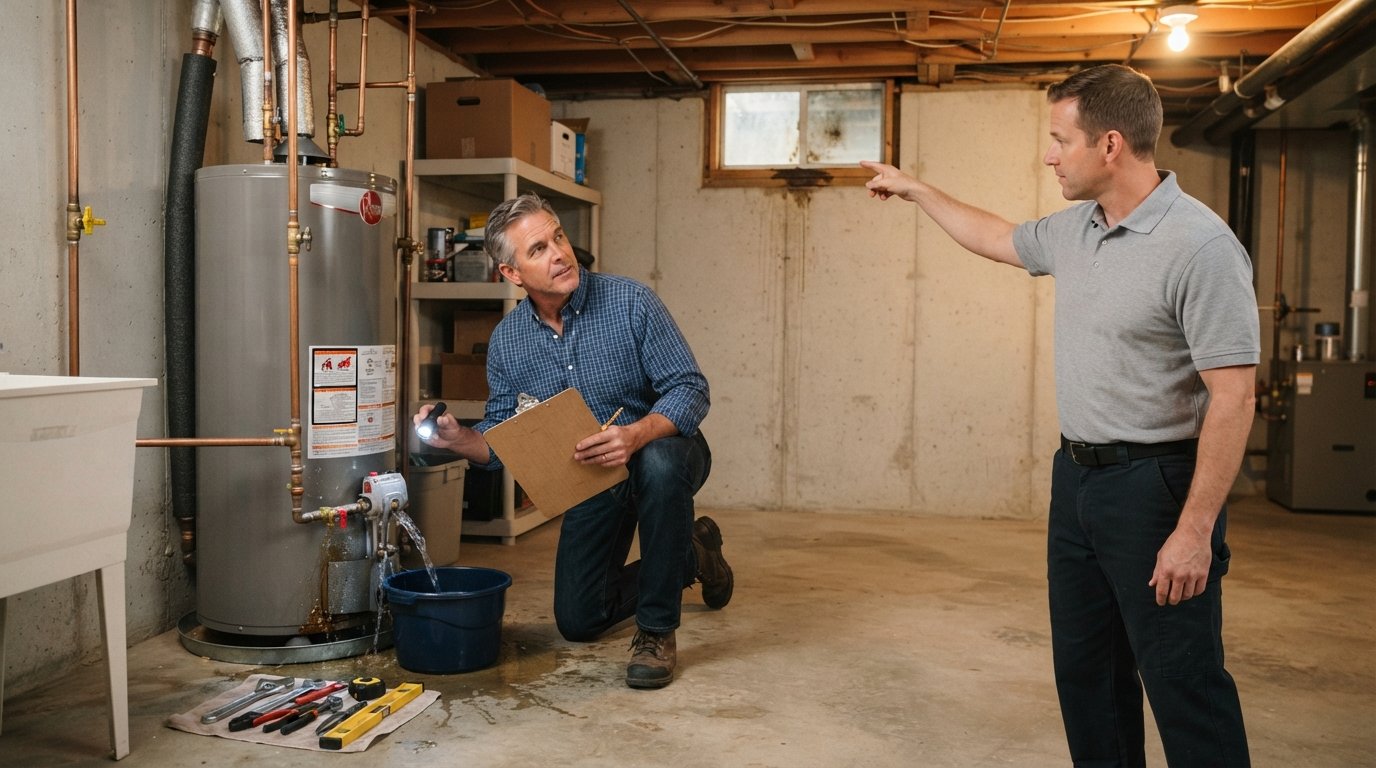
Your water heater starts leaking on a Tuesday night. The roof has a stain that keeps growing. The deck boards are soft underfoot. None of these problems can wait, but the quotes you are getting feel like they belong to a different tax bracket. The good news is that affordable home repair solutions for budget conscious homeowners do exist, and they rarely involve cutting corners on safety or hiring the cheapest person who answers the phone. They involve smarter timing, smarter materials, smarter bundling, and smarter questions. This guide walks through the practical moves that lower repair costs without turning a small problem into a structural one.
Why Repair Costs Feel Higher Than They Should
Before you can shrink a repair bill, it helps to understand what is actually inside it. A typical contractor quote includes labor, materials, permits, equipment rental, overhead, and profit. When homeowners compare bids, they usually fixate on the bottom line and miss the line items that drive it. Labor is often the largest single slice, which is why bundling work and choosing materials that install quickly can matter more than haggling over a few dollars per square foot.
Emergency timing is another hidden cost multiplier. A plumber who arrives at 11 p.m. on a holiday charges more than one who arrives at 9 a.m. on a Wednesday. A roofer who squeezes you in during storm season charges more than one booked during a slow month. Understanding these levers gives you real negotiating room, not just the illusion of it.
Finally, many homeowners assume that a lower bid is automatically a better deal. It is not. Low bids frequently exclude permits, use builder-grade materials that fail early, or hide change-order language that inflates the final invoice. The goal is not the lowest number; it is the lowest total cost of ownership over the next five to ten years.
Repairs Where Material Choice and Timing Cut Costs Most
Some repairs respond dramatically to smart material selection, while others barely move. Knowing the difference keeps you from wasting effort on the wrong line items. The repairs below are the ones where budget-conscious choices pay off without compromising function.
- Roof repairs: Architectural shingles cost more upfront than basic three-tab, but they last longer and reduce repeat labor. For small patches, matching existing shingles is cheaper than re-roofing a whole slope.
- Plumbing fixes: Replacing a failed section of copper with PEX or CPVC is often faster and cheaper than repairing the entire line, and it performs well in most residential settings.
- Deck repairs: Replacing only the damaged boards and resealing the rest costs a fraction of a full rebuild. Composite is durable but pricier; pressure-treated wood remains the budget workhorse.
- HVAC service: A $150 tune-up in spring prevents a $1,200 compressor failure in August. Timing maintenance before peak season is one of the highest-return moves available.
- Drywall and painting: Repairing small holes and repainting a single room costs far less than waiting until water damage spreads and forces a larger tear-out.
Timing works the same way. Schedule exterior work in the shoulder seasons (early spring or early fall) when contractors are hungry for bookings. Ask about off-season discounts for HVAC installs in autumn and roofing in late winter. These windows are real, and contractors will often pass along savings to keep crews busy.
Material choice also interacts with your home's existing systems. Putting a premium fixture on aging pipes can create pressure problems elsewhere. A contractor who understands your whole house, not just the immediate repair, will steer you toward compatible, cost-effective options. That is one reason it pays to get more than one opinion before committing.
Bundling Small Repairs Into One Visit
Every contractor visit carries a fixed cost: travel time, setup, minimum service charges, and the administrative overhead of scheduling. When you book five separate visits for five small repairs, you pay that fixed cost five times. Bundling those repairs into a single appointment spreads the fixed cost across more work and typically lowers the per-repair price by 15 to 30 percent.
The bundling strategy works best with a handyman or general contractor who can handle multiple trades. A dripping faucet, a sticking door, a loose railing, a cracked tile, and a faulty outlet can often be completed in one day by the right professional. Grouping them also reduces the chance that a small issue becomes a large one while it waits in line for its own appointment.
To bundle effectively, keep a running list of minor issues as they appear. Note the date, location, and a short description. When the list reaches five or more items, or when one item becomes urgent, book a single visit and hand the list to the contractor. Ask for a bundled rate rather than five separate quotes. Many contractors will discount the total because their scheduling and travel costs drop.
If you are unsure how to structure a bundled request or compare the resulting bids, a service like finding affordable home improvement quotes can help you gather multiple offers and see which contractors actually reward bundling.
Financing and Payment Options for Essential Repairs
When a repair is necessary but the cash is not sitting in savings, financing can bridge the gap without turning a $2,000 problem into a $4,000 credit card balance. The key is to compare total cost, not just the monthly payment. A low monthly payment over a long term can cost far more than a slightly higher payment over a short one.
Here are the main options budget-conscious homeowners should weigh:
- Contractor payment plans: Some contractors offer in-house financing or partner with lenders. These are convenient but often carry higher interest rates than bank alternatives.
- Home equity lines of credit (HELOCs): Typically the lowest-rate option for homeowners with equity. Interest may be tax-deductible if the funds are used to improve the home.
- Personal loans: Unsecured and fast, but rates vary widely. Credit unions often beat banks for members.
- Credit cards with 0 percent introductory offers: Useful only if you can pay the balance before the promotional period ends. Otherwise the rate jumps significantly.
- Government and nonprofit programs: USDA Section 504 loans, FHA Title I loans, and local weatherization or emergency repair programs serve specific income and geographic criteria.
Before signing any financing agreement, ask for the annual percentage rate, the total repayment amount, and whether there is a prepayment penalty. A contractor who pressures you to finance through their preferred lender without letting you compare options is a red flag. You are allowed to bring your own financing.
Payment structure matters too. A common and fair schedule is one-third upfront, one-third at a midpoint inspection, and one-third upon completion. Be cautious of anyone demanding full payment before work begins or asking for cash only. Those requests make it difficult to recover if the work is incomplete or defective.
Red Flags in Low Bids That Raise Your Total Cost
The lowest bid is not always the cheapest outcome. In home repair, a suspiciously low number often means something important has been left out, and that something usually comes back as a change order, a failed inspection, or a premature failure. Learning to spot these red flags protects your budget better than any negotiation tactic.
Watch for bids that omit permits, skip disposal fees, or list vague line items like "miscellaneous repairs." A legitimate bid specifies materials by brand and grade, lists labor hours or scope, and states what is excluded. If the quote is a single number on a napkin, you have no way to compare it fairly or hold the contractor accountable.
Other warning signs include:
- No physical address or verifiable license number
- Pressure to sign today for a discount that expires immediately
- Requests for large cash deposits before any materials are ordered
- Reluctance to provide proof of insurance or a written contract
- Reviews that mention repeated callbacks or unfinished work
A contractor who is genuinely competitive will welcome your questions. They will explain why their bid is what it is and show you where the value sits. If they cannot or will not, the savings on the invoice are likely to be erased by the cost of fixing their work later.
It also helps to verify credentials independently. Licensing boards, insurance carriers, and local permit offices can confirm what a contractor claims. Homes.Contractors does not warrant or guarantee any work performed, so independent verification remains your responsibility and your best protection.
Where to Find Vetted Contractors Without Overpaying
Finding affordable repair help is largely a sourcing problem. The same repair can vary by thousands of dollars depending on who you hire and how you hire them. The most reliable approach is to gather multiple quotes from pre-vetted professionals, compare them line by line, and choose the one that offers the best balance of price, scope, and track record.
Online directories have made this far easier than the old method of calling numbers from a phone book. A platform like PlanRemodel connects homeowners with qualified contractors across roofing, HVAC, plumbing, flooring, and remodeling, and it provides educational resources to help you ask better questions before you commit. The value is not just in the list of names; it is in the ability to request several quotes quickly and see how professionals in your area actually price the work.
When you request quotes, be specific. Describe the problem, include photos if possible, state your budget range, and ask whether the quote includes permits and disposal. Specific requests produce comparable bids, and comparable bids produce better decisions. Vague requests attract vague numbers, which are impossible to evaluate fairly.
Finally, check local ratings and reviews for your state or metro area. Regional pricing varies significantly, and a contractor who is affordable and reliable in one market may be neither in another. Localized vetting narrows the field to professionals who actually work in your area and understand its codes, climate, and typical repair challenges.
Building a Repair Reserve So Future Problems Cost Less
The most affordable repair is the one you prevent. Homeowners who set aside a small monthly amount for maintenance and repairs consistently spend less over time than those who react to emergencies. A common guideline is 1 to 2 percent of your home's value per year, though older homes and those in harsh climates may need more.
This reserve does not need to be large to be effective. Even $50 a month creates a $600 cushion within a year, which is enough to cover many common repairs before they escalate. Pair the reserve with a seasonal maintenance checklist: gutters in autumn, HVAC in spring, roof inspection before storm season, and plumbing checks before winter. Each item on that list is cheaper than the emergency it prevents.
Budget-conscious home repair is not about doing less. It is about doing the right things in the right order, with the right professionals, at the right time. Bundle small jobs, choose materials that last, compare financing carefully, and walk away from bids that look too good to be true. Do those things, and you will keep your home safe and functional without draining your savings.